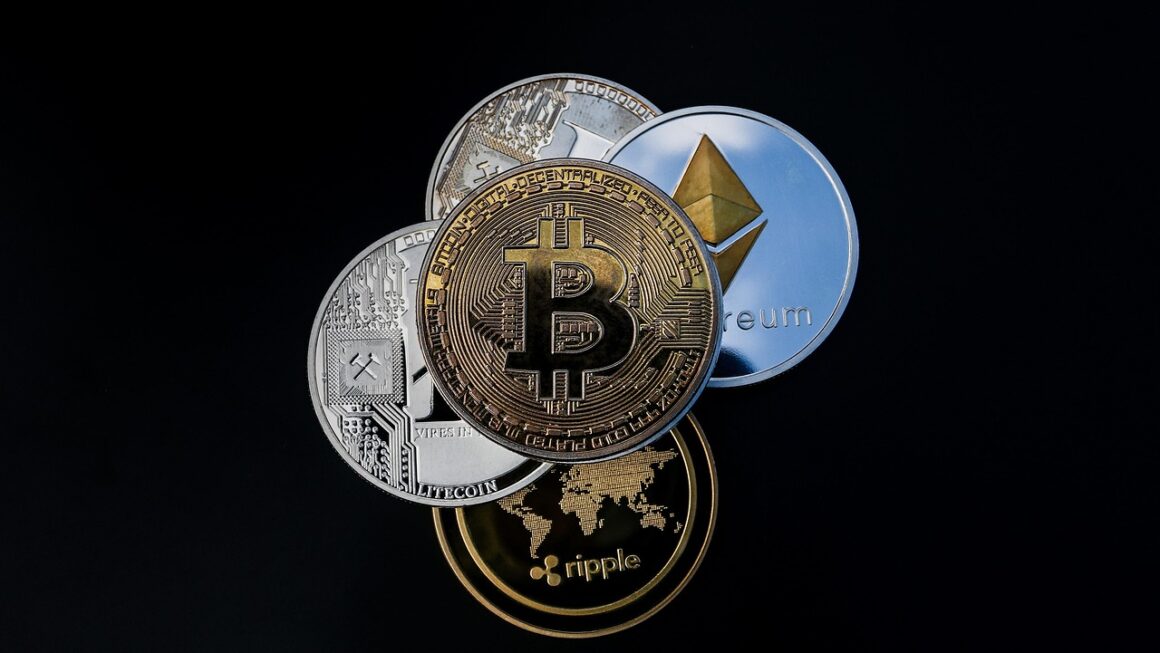
In the dynamic world of cryptocurrency, few events capture as much attention and spark as much debate as the “halving.” Often heralded as a pivotal moment for digital assets, this pre-programmed economic mechanism is designed to control supply and ensure scarcity, fundamentally shaping the market cycles of leading cryptocurrencies. Whether you’re a seasoned investor, a curious newcomer, or a blockchain enthusiast, understanding the halving is crucial to navigating the fascinating and sometimes turbulent waters of the crypto ecosystem. Let’s delve deep into what this event is, why it matters, and how it impacts the future of decentralized finance.
What is Halving? The Core Concept Explained
At its heart, the halving is a fundamental event embedded within the protocol of certain cryptocurrencies, most notably Bitcoin. It’s a pre-programmed adjustment that reduces the rate at which new coins are generated, directly impacting the asset’s supply dynamics.
The Mechanism: How Block Rewards Are Reduced
- Block Rewards: When transactions are processed and added to the blockchain in a “block,” the miners who successfully complete this task are rewarded with a certain amount of cryptocurrency (the “block reward”). This reward is their incentive for securing the network.
- Halving Event: A halving event automatically cuts this block reward by 50%. This means that after a halving, miners receive half the amount of new coins for verifying a block than they did before.
- Example: In Bitcoin’s case, the block reward started at 50 BTC per block in 2009. The first halving in 2012 reduced it to 25 BTC, the second in 2016 to 12.5 BTC, and the third in 2020 to 6.25 BTC. The next halving will bring it down to 3.125 BTC.
The Rationale: Why Halving Exists
The concept of halving is directly tied to the principles of scarcity and inflation control, mirroring the characteristics of precious metals like gold. It ensures a predictable, diminishing supply over time:
- Scarcity Model: Unlike fiat currencies that can be printed infinitely, cryptocurrencies with halvings have a finite supply and a decelerating issuance rate, making them deflationary by design. This mimics the scarcity of valuable commodities.
- Inflation Control: By regularly cutting the supply of new coins, the halving prevents runaway inflation and helps maintain the long-term value of the cryptocurrency. It ensures that the total supply will never exceed a predetermined cap (e.g., 21 million for Bitcoin).
- Predictability: The schedule for halvings is hard-coded into the protocol, making it entirely predictable. For Bitcoin, it occurs approximately every four years, or specifically, after every 210,000 blocks are mined.
Actionable Takeaway: Understanding the mechanics of halving is critical for grasping the long-term economic model and value proposition of these digital assets. It highlights their inherent difference from traditional monetary systems.
The Economic Impact of Halving
Halving events are not just technical adjustments; they are profound economic catalysts that can significantly influence market dynamics, investor sentiment, and network participant behavior.
Supply Shock and Scarcity Premium
The most immediate and direct economic impact of a halving is the sudden reduction in the daily supply of new coins entering the market. If demand remains constant or increases, this supply contraction can lead to a significant price appreciation.
- Reduced Selling Pressure: With miners receiving fewer coins, their immediate selling pressure on the market for operational costs is reduced, further tightening available supply.
- Psychological Factor: The anticipation and actual occurrence of a halving often create a strong narrative around scarcity, attracting new investors and increasing speculative demand, which can drive prices upward.
Historical Price Action and Volatility
Historically, Bitcoin’s halvings have been followed by substantial bull runs, though it’s important to remember that past performance is not indicative of future results.
- 2012 Halving: Bitcoin’s price rose from around $12 to over $1,000 in the year following the halving.
- 2016 Halving: The price surged from roughly $650 to nearly $20,000 during the subsequent market cycle.
- 2020 Halving: Bitcoin went from around $8,000 to an all-time high of nearly $69,000 in late 2021.
While these patterns are compelling, the market is complex, influenced by macroeconomics, institutional adoption, and regulatory developments. Halving acts as a significant catalyst, but not the sole determinant.
Miner Dynamics and Network Security
Halving directly impacts the profitability of miners. A 50% cut in block rewards means miners need to operate more efficiently or hope for a price increase to remain profitable.
- Profitability Squeeze: Less efficient miners might be forced to shut down, leading to a temporary drop in the network’s hash rate (processing power).
- Consolidation: This can lead to consolidation within the mining industry, with larger, more efficient operations dominating.
- Long-Term Sustainability: As block rewards diminish over time, transaction fees are expected to become an increasingly important component of miner revenue, ensuring network security even when block rewards approach zero.
Actionable Takeaway: Investors should prepare for potential market volatility around halving events. While historical trends suggest upward price movement, a diversified strategy and risk management are always paramount. Monitor miner activity as an indicator of network health.
Beyond Bitcoin: Halving in Other Cryptocurrencies
While Bitcoin pioneered the halving mechanism, it’s not the only cryptocurrency to employ this strategy. Many other Proof-of-Work (PoW) coins have incorporated similar models to manage their supply and foster scarcity.
Litecoin’s Halving: A Prominent Example
Litecoin (LTC), often referred to as “digital silver” to Bitcoin’s “digital gold,” is another major cryptocurrency that undergoes regular halving events. Litecoin’s protocol is designed to have a halving approximately every four years, similar to Bitcoin, but with its own distinct schedule.
- Reduced Block Rewards: Litecoin’s block reward started at 50 LTC and has undergone several halvings, most recently in August 2023, reducing its block reward from 12.5 LTC to 6.25 LTC.
- Market Impact: Similar to Bitcoin, Litecoin’s halvings have historically been associated with increased market interest and price appreciation leading up to and following the event, though the scale and duration can differ.
Other Proof-of-Work Coins and Variations
Many other cryptocurrencies that utilize a Proof-of-Work consensus mechanism also integrate a halving-like event into their monetary policy:
- Bitcoin Cash (BCH) and Bitcoin SV (BSV): As forks of Bitcoin, they share a similar halving schedule, though their independent networks means their halving events occur at different block heights.
- Zcash (ZEC): Zcash also has a halving schedule, impacting the reward for miners and gradually reducing the issuance of new ZEC tokens.
- Dogecoin (DOGE) vs. Bitcoin: Interestingly, while Dogecoin started with a halving schedule, its inflation rate was later modified to be a constant issuance of 10,000 DOGE per block, removing the halving mechanism to ensure consistent supply and discourage hoarding. This highlights how different projects tailor their economic models.
Actionable Takeaway: Don’t assume all “halvings” are created equal. Each cryptocurrency’s halving schedule, total supply, and network dynamics are unique. If you’re investing beyond Bitcoin, research the specific halving mechanisms and historical impacts of those individual projects to inform your strategy.
Preparing for a Halving Event: Strategies for Investors
Halving events present unique opportunities and risks. A well-informed strategy can help investors navigate the volatility and potentially capitalize on the market shifts.
Research and Due Diligence
Before making any investment decisions, thoroughly research the cryptocurrency in question.
- Understand the Project: Beyond the halving, what are the project’s fundamentals? What problem does it solve? Who is the development team? What is its adoption rate?
- Analyze Historical Data: While not a guarantee, reviewing past halving cycles for the specific coin can provide context for potential future market behavior.
- Stay Informed: Follow reputable crypto news sources, analytics platforms, and official project announcements.
Diversification and Risk Management
Even with compelling historical data, halving-induced price pumps are not guaranteed. Diversifying your portfolio is crucial.
- Spread Investments: Don’t allocate all your capital to a single asset, especially one tied to a speculative event.
- Risk Assessment: Only invest what you can afford to lose. Cryptocurrency markets are inherently volatile.
- Set Stop-Loss Orders: For active traders, stop-loss orders can help limit potential losses during unexpected market downturns.
Long-Term HODL vs. Short-Term Trading
Your investment horizon will dictate your strategy around a halving event.
- Long-Term (HODLing): Many investors view halving as a fundamental driver for long-term price appreciation due to increased scarcity. They buy before or during the event and hold through the subsequent market cycles. This strategy requires patience and resilience against short-term price fluctuations.
- Short-Term Trading: Traders may attempt to profit from the increased volatility around the halving by buying in anticipation and selling during the price peak. This strategy is higher risk and requires careful timing and technical analysis.
Practical Tips for Actionable Decisions
- Dollar-Cost Averaging (DCA): Instead of a lump-sum investment, consider investing a fixed amount regularly. This strategy can smooth out your average purchase price and mitigate the impact of market timing.
- Avoid FOMO (Fear Of Missing Out): Price surges can trigger emotional buying. Stick to your pre-defined strategy and avoid impulsive decisions based on hype.
- Secure Your Assets: If you plan to hold through a halving, ensure your assets are stored securely in hardware wallets or reputable exchanges with strong security features.
Actionable Takeaway: Approach halving events with a clear, researched strategy tailored to your risk tolerance and investment goals. Discipline, diversification, and continuous learning are your best tools in navigating these significant market cycles.
The Future of Halving and Its Evolving Role
As cryptocurrencies mature and evolve, so does the discussion around the long-term implications of halving and the sustainability of their underlying economic models.
Long-Term Sustainability and Network Security
With block rewards continually decreasing, questions arise about how Proof-of-Work networks will incentivize miners to maintain security in the very long term, especially as the last bitcoins are mined around 2140.
- Transition to Transaction Fees: The prevailing theory is that as block rewards diminish, transaction fees will become the primary source of revenue for miners. This ensures that even with minimal new coin issuance, miners have a strong incentive to process transactions and secure the network.
- Market Value Appreciation: For transaction fees to be sufficient, the underlying asset’s market value needs to appreciate significantly, making even small fees worthwhile for miners.
Innovation and Adaptation in Protocol Design
The success of the halving model in Bitcoin has inspired other projects, but also led to innovations and adaptations in monetary policy:
- Hybrid Models: Some new cryptocurrencies explore hybrid issuance models, combining elements of fixed supply with slight, ongoing inflation to ensure miner incentives without relying solely on transaction fees.
- Layer 2 Solutions: As networks scale, Layer 2 solutions (like Bitcoin’s Lightning Network) play a role in offloading transactions from the main chain, potentially reducing the overall fee pressure on the base layer. However, the base layer’s security remains paramount.
Actionable Takeaway: Understand that halving is part of a dynamic, evolving economic model. While effective now, the long-term vision involves a robust ecosystem where transaction fees sustainably incentivize network security. This underscores the importance of scaling solutions and broad adoption for the continued success of these protocols.
Conclusion
The halving is far more than a simple technical adjustment; it’s a foundational pillar of scarcity and value for many leading cryptocurrencies, especially Bitcoin. By systematically reducing the supply of new coins, it injects a powerful deflationary force into the market, influencing price action, miner behavior, and investor sentiment for years to come. While historical data points to significant market rallies post-halving, responsible investing requires a clear understanding of the underlying mechanics, thorough research, and a disciplined approach to risk management.
As the crypto landscape continues to mature, halving events will remain critical milestones, reminding us of the innovative monetary policies embedded within these digital assets. By staying informed and approaching these cycles with a strategic mindset, participants can better navigate the opportunities and challenges presented by the fascinating world of decentralized finance. Embrace the power of knowledge, and you’ll be well-equipped to understand the enduring impact of the halving on your crypto journey.