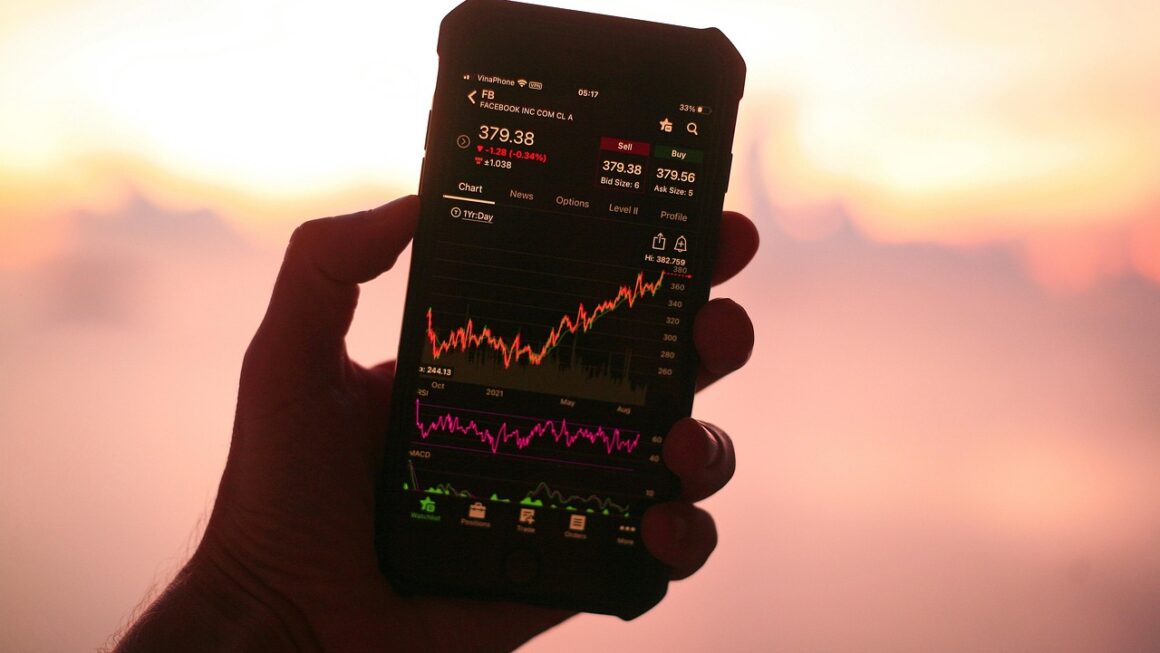
The allure of quick profits and financial independence often draws individuals to the dynamic world of day trading. Imagine seizing opportunities in rapidly moving markets, making decisions in real-time, and potentially closing out trades with significant gains within a single day. Day trading, at its core, is the practice of buying and selling financial instruments within the same trading day, with the goal of profiting from small price fluctuations. While the prospect of immediate returns is undeniably exciting, it’s a realm that demands a unique blend of skill, discipline, robust strategy, and a deep understanding of market mechanics. This comprehensive guide will demystify day trading, shedding light on its complexities, potential rewards, and inherent risks, equipping aspiring traders with the knowledge to navigate this challenging yet potentially lucrative path.
What is Day Trading?
Day trading involves the opening and closing of positions on financial instruments within the same trading day, meaning all trades are typically squared off before the market closes. Unlike long-term investing, which focuses on holding assets for extended periods, day traders capitalize on intraday price movements, often holding positions for mere minutes or hours. This fast-paced approach requires constant attention to market trends and news.
Key Characteristics of Day Trading
- Short-Term Focus: Trades are entered and exited within a single trading day, eliminating overnight risk.
- High Frequency: Day traders often execute multiple trades throughout the day, looking for numerous small profits.
- Leverage Use: Many day traders utilize leverage provided by brokers to amplify potential returns (and risks).
- Reliance on Technical Analysis: Chart patterns, indicators, and price action are crucial for decision-making.
- Emotional Discipline: Success heavily depends on the ability to control emotions and stick to a trading plan.
Instruments Traded by Day Traders
Day traders operate across various financial markets, each offering unique opportunities and challenges:
- Stocks: Trading shares of publicly listed companies, often focusing on highly liquid stocks with significant intraday volatility.
- Forex (Foreign Exchange): Profiting from currency pair fluctuations, the largest and most liquid market globally, operating 24 hours a day during weekdays.
- Futures: Contracts to buy or sell an asset at a predetermined price on a future date, covering commodities, indices, and currencies.
- Options: Contracts that give the buyer the right, but not the obligation, to buy or sell an underlying asset at a specified price before a certain date.
- Cryptocurrencies: Trading digital assets like Bitcoin and Ethereum, known for extreme volatility and 24/7 trading.
Actionable Takeaway: Understand that day trading is a high-intensity, short-term activity distinct from traditional investing. Research the various markets to determine which aligns best with your interests and risk tolerance.
The Appeal and Risks of Day Trading
Day trading holds a powerful appeal for many due to its potential for rapid wealth accumulation and independence. However, it’s equally important to acknowledge the significant risks involved. A realistic understanding of both sides is crucial for anyone considering this path.
The Allure: Why Day Trading Attracts Many
- Potential for Quick Profits: The primary draw is the ability to generate substantial returns in a short period, sometimes within hours or minutes.
- Financial Independence: Many aspire to make day trading their full-time profession, offering freedom from traditional employment.
- Flexibility: The ability to trade from anywhere with an internet connection offers lifestyle flexibility.
- Constant Excitement: The fast-paced nature and continuous decision-making can be intellectually stimulating and engaging.
- No Overnight Risk: By closing all positions before market close, traders avoid unexpected news or events that could drastically impact prices while they are not actively monitoring.
Example: A day trader might buy 1,000 shares of a stock at $50 in the morning, anticipating a positive earnings report reaction. If the stock jumps to $50.50 within an hour, selling it yields a $500 profit (minus commissions). This rapid turnover is the core appeal.
The Inherent Risks: What You Must Be Aware Of
Despite the attractive potential, day trading is widely recognized as one of the most challenging forms of financial speculation. Statistics often show a high percentage of new day traders fail.
- High Capital Risk: There’s a significant risk of losing a substantial portion, or even all, of your trading capital quickly.
- Leverage Magnifies Losses: While leverage can boost profits, it equally amplifies losses, sometimes leading to account blow-ups.
- Emotional Toll: The constant pressure, quick decision-making, and inevitable losses can be emotionally draining and lead to burnout.
- High Transaction Costs: Frequent trading means more commissions, fees, and spread costs, which can eat into profits.
- Requires Significant Time and Effort: Day trading is not a passive income stream; it demands dedicated time for market analysis and active trading.
- Market Volatility: While volatility creates opportunities, it also creates unpredictable price swings that can liquidate positions quickly.
Actionable Takeaway: Approach day trading with realistic expectations. Never risk capital you cannot afford to lose. Start with a small amount and gain experience before committing significant funds. Understand that losses are an inevitable part of the learning process.
Essential Tools and Platforms for Day Traders
To succeed in day trading, you need more than just capital; you need the right arsenal of tools. From robust trading platforms to real-time data, technology plays a pivotal role in enabling fast, informed decisions.
Choosing the Right Brokerage and Trading Platform
Your broker is your gateway to the markets. Selecting the right one is critical.
- Low Commissions and Fees: Frequent trading makes competitive pricing essential. Look for brokers with low per-share or per-contract fees, and minimal account maintenance charges.
- Reliable Execution Speed: In day trading, milliseconds matter. Ensure your broker offers fast and reliable trade execution.
- Advanced Trading Platform: The platform should offer:
- Real-time Charting: Customizable charts with various timeframes and technical indicators.
- Level II Data/Depth of Market: Shows pending buy and sell orders at different price levels, crucial for understanding supply and demand.
- Hotkeys/One-Click Trading: For rapid order entry and exit.
- Robust Order Types: Market, limit, stop-loss, trailing stops, OCO (one-cancels-the-other) orders.
- Regulatory Compliance: Choose a broker regulated by reputable financial authorities (e.g., SEC/FINRA in the US, FCA in the UK).
- Customer Support: Responsive and knowledgeable support is vital when issues arise during trading hours.
Example: A day trader using a platform with hotkeys can set up a “Buy 100 shares market order” with one key press, and a “Sell 100 shares limit order at +0.10” with another, significantly speeding up reaction time in volatile markets.
Crucial Data Feeds and News Sources
Staying informed is non-negotiable for day traders.
- Real-time Market Data: Access to live stock quotes, forex rates, and futures prices is paramount. Delayed data is useless for day trading.
- Economic Calendars: Track upcoming economic reports (e.g., CPI, NFP, interest rate decisions) that can cause significant market volatility.
- Financial News Feeds: Services like Bloomberg, Reuters, or dedicated financial news outlets provide breaking news that can impact specific stocks or entire markets.
- Earnings Reports: Monitor company earnings announcements, which are major catalysts for stock price movements.
Actionable Takeaway: Invest in a professional trading setup, including multiple monitors, a stable internet connection, and subscribed real-time data feeds. Choose a broker whose platform and fee structure align with your trading style and capital.
Crafting a Winning Day Trading Strategy
Successful day trading isn’t about luck; it’s about having a well-defined, tested strategy. This involves a combination of market analysis, risk management, and consistent execution.
Developing Your Trading Plan
A trading plan is your roadmap; it outlines your rules for entering, managing, and exiting trades.
- Entry Criteria: What specific conditions (e.g., chart patterns, indicator signals) must be met before you enter a trade?
- Exit Criteria (Profit Target): At what price will you take profits?
- Stop-Loss Levels: Where will you cut your losses if the trade moves against you? This is non-negotiable.
- Position Sizing: How much capital will you allocate to each trade, ensuring you don’t overleverage?
- Risk-Reward Ratio: What is the potential profit versus the potential loss for each trade? Aim for ratios of 1:2 or better (e.g., risking $100 to make $200).
- Instruments and Timeframes: Which markets will you trade, and what chart timeframes will you use for analysis (e.g., 1-minute, 5-minute charts)?
Popular Day Trading Strategies
While endless variations exist, here are some common approaches:
- Scalping: A high-frequency strategy aiming to make very small profits on very small price changes, often holding positions for seconds to minutes. Requires extremely fast execution and low transaction costs.
- Momentum Trading: Identifying stocks or assets that are making significant moves in one direction (up or down) due to news or strong volume, and riding that momentum for a short period.
- Breakout Trading: Entering a trade when an asset’s price breaks above a resistance level or below a support level, anticipating continued movement in that direction.
- Reversal Trading: Attempting to identify when a trend is exhausting itself and about to reverse, often riskier but can offer large rewards.
- News Trading: Executing trades based on the immediate market reaction to economic reports, earnings announcements, or breaking news.
Example of a Basic Strategy: A trader might focus on “Breakouts above the 20-period moving average on a 5-minute chart.” Their plan would specify: “Enter long when price closes above 20 MA, target next resistance level, stop-loss below the 20 MA or previous swing low.”
Mastering Risk Management
This is arguably the most critical aspect of long-term survival in day trading.
- The 1% Rule: Never risk more than 1% (or a similarly small percentage) of your total trading capital on any single trade. If you have a $10,000 account, you’d risk no more than $100 per trade.
- Use Stop-Loss Orders Religiously: A stop-loss automatically closes your position if the price reaches a predetermined level, limiting your potential loss.
- Position Sizing: Adjust your trade size based on your stop-loss distance and your 1% risk rule. For example, if you risk $100 and your stop-loss is 10 cents away, you can trade 1000 shares ($0.10 * 1000 = $100).
- Avoid Overleveraging: While leverage can be tempting, excessive use magnifies losses rapidly.
- Maintain a Trading Journal: Document every trade – entry, exit, reasons, emotions, and lessons learned. This is invaluable for refining your strategy.
Actionable Takeaway: Develop a detailed trading plan before you execute any live trades. Focus intensely on risk management, prioritizing capital preservation above all else. Backtest your strategies rigorously on historical data before risking real money.
Psychology of a Successful Day Trader
Even the most robust strategy can fail without the right mindset. Day trading is as much a psychological battle as it is an analytical one. Developing mental fortitude, discipline, and emotional control is paramount for long-term success.
The Role of Discipline and Patience
Impulse and impatience are the enemies of a day trader.
- Stick to Your Plan: The discipline to follow your pre-defined trading rules, even when emotions are high, is crucial. Avoid chasing trades or deviating from your entry/exit criteria.
- Wait for the Right Setup: Patience means not forcing trades. If your strategy doesn’t present a clear, high-probability setup, do nothing. Overtrading leads to increased commissions and often, increased losses.
- Consistency: Successful traders consistently apply their strategy, knowing that profits accumulate over many trades, not just one or two.
Managing Emotions: Fear, Greed, and Hope
These powerful emotions can derail even the best traders.
- Fear:
- Fear of Missing Out (FOMO): Entering a trade late because you see others profiting. Solution: Stick to your plan.
- Fear of Losing: Closing a winning trade too early or not taking a valid setup. Solution: Trust your analysis and risk management.
- Greed:
- Holding on to Winners Too Long: Not taking profits at your target, hoping for more, only for the price to reverse. Solution: Adhere to your profit targets.
- Averaging Down on Losers: Adding to a losing position, hoping it will turn around, which often magnifies losses. Solution: Cut losses quickly with stop-loss orders.
- Hope:
- Holding a Losing Trade: Hoping it will recover, leading to bigger losses. Solution: Implement strict stop-losses.
Cultivating a Trader’s Mindset
- Process-Oriented vs. Outcome-Oriented: Focus on executing your strategy flawlessly rather than solely on the profit/loss of a single trade. Over many trades, a good process leads to good outcomes.
- Accept Losses: Losses are an unavoidable part of day trading. Accept them as business expenses and learn from them without letting them affect your next decision.
- Self-Awareness: Understand your emotional triggers and develop strategies to manage them (e.g., taking a break after a series of losses).
- Continuous Learning: The markets are constantly evolving. Stay updated, review your performance, and adapt your strategies.
Actionable Takeaway: Develop strong self-discipline and emotional intelligence. Practice mindfulness and detachment from trade outcomes. Acknowledge and manage your emotions, ensuring they don’t override your logical trading plan. A trading journal is an excellent tool for self-reflection and identifying psychological pitfalls.
Getting Started: Practical Steps for Aspiring Day Traders
Embarking on a day trading journey requires preparation and a methodical approach. Rushing into it is a recipe for failure. Follow these practical steps to build a solid foundation.
1. Education and Learning
Before risking any capital, invest heavily in your education.
- Read Books: Study foundational concepts of technical analysis, market structure, and trading psychology.
- Online Courses and Webinars: Many reputable platforms offer structured learning paths. Be wary of “get rich quick” schemes.
- Understand Market Fundamentals: While day trading is primarily technical, a basic understanding of how economic news and company announcements influence markets is beneficial.
- Learn Technical Analysis: Master chart patterns (e.g., head and shoulders, flags), indicators (e.g., moving averages, RSI, MACD), and candlestick patterns.
2. Capital Requirements
Day trading requires substantial starting capital, especially for stocks.
- Pattern Day Trader (PDT) Rule (U.S.): If you trade stocks in the U.S., you must maintain a minimum equity of $25,000 in a margin account to execute more than three day trades within five business days. Falling below this threshold restricts your trading.
- Forex/Futures: These markets typically have lower capital requirements for day trading, but leverage still amplifies risk.
- Emergency Funds: Ensure your trading capital is entirely separate from your emergency savings or funds needed for living expenses. Never trade with money you cannot afford to lose.
3. Practice with a Demo Account
This step is non-negotiable for beginners.
- Paper Trading: Most reputable brokers offer free demo accounts where you can trade with virtual money in real-time market conditions.
- Test Your Strategy: Use the demo account to practice executing trades, testing your trading plan, and familiarizing yourself with your broker’s platform without financial risk.
- Build Confidence: Gain experience in a stress-free environment, understanding that performance in a demo account may differ psychologically from live trading.
4. Start Small with Live Trading
Once you’ve consistently proven profitability in a demo account for several months, consider live trading.
- Minimal Capital: Start with the smallest possible position sizes and minimal capital, even if it’s below the PDT rule for a few trades.
- Focus on Learning, Not Earning: Your initial live trading goal should be to adapt to the psychological pressures of real money, not to make a fortune.
- Review and Adapt: Continuously review your trading journal, analyze your performance, and make necessary adjustments to your strategy and mindset.
Actionable Takeaway: Approach day trading as a serious business venture. Dedicate significant time to education and practice. Respect the capital requirements and begin live trading with an emphasis on learning and strict risk management, not immediate profits.
Conclusion
Day trading stands as one of the most challenging yet potentially rewarding paths in the financial world. It offers the thrill of immediate opportunity and the promise of financial autonomy, but it demands an extraordinary level of dedication, discipline, and strategic thinking. While the allure of quick gains is strong, success is not a matter of luck but rather a result of continuous learning, rigorous risk management, and unwavering emotional control. Aspiring day traders must equip themselves with a deep understanding of market mechanics, master technical analysis, develop a robust trading plan, and most importantly, cultivate an ironclad trading psychology. Remember, the journey to becoming a consistently profitable day trader is long and often fraught with setbacks. By embracing a professional, disciplined, and patient approach, understanding the inherent risks, and prioritizing capital preservation, you can build a solid foundation to navigate the volatile currents of the financial markets and potentially carve out a successful career in day trading.