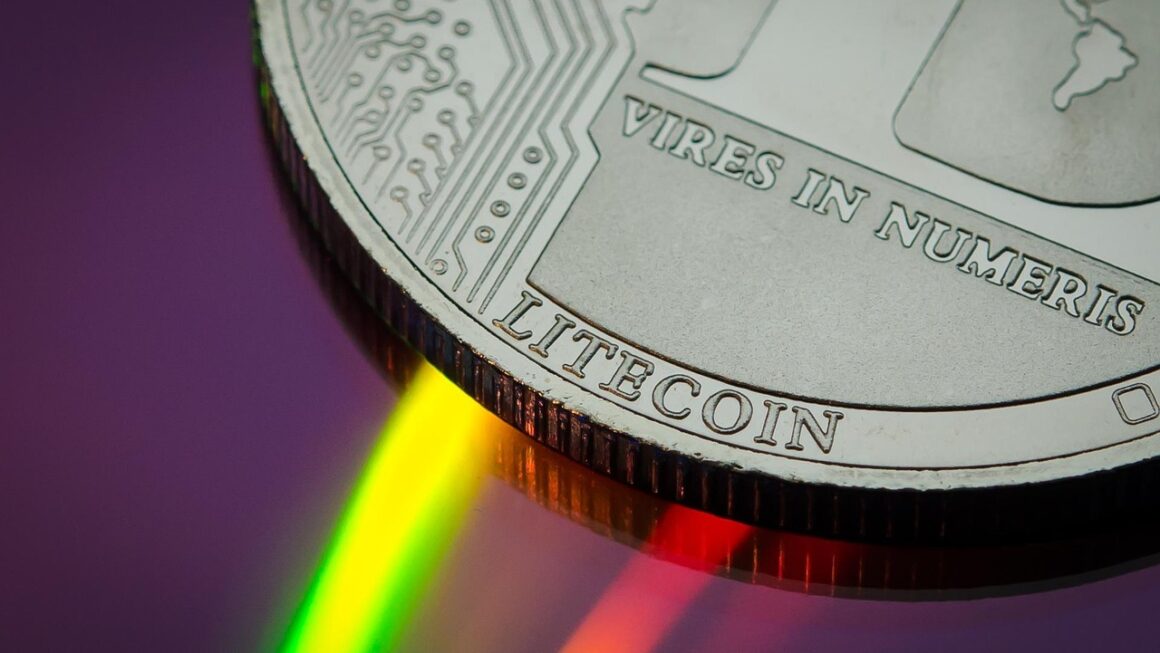
The world of finance is undergoing a monumental transformation, and at its heart lies a revolutionary technology poised to redefine how we perceive and interact with money: cryptocurrency. What began as an esoteric concept for tech enthusiasts has blossomed into a global phenomenon, challenging traditional banking systems, fostering unprecedented innovation, and capturing the imagination of investors and innovators alike. From decentralized ledgers to digital art, the reach of crypto is expanding rapidly, promising a future of financial empowerment and technological ingenuity. But what exactly is cryptocurrency, and why is it becoming an indispensable part of our digital future?
What Exactly is Cryptocurrency? Unpacking the Basics
At its core, cryptocurrency represents a paradigm shift in financial technology. It’s more than just digital money; it’s a new way of structuring trust and value in a decentralized world.
Defining Digital Gold
Cryptocurrency is a digital or virtual currency secured by cryptography, making it nearly impossible to counterfeit or double-spend. Unlike traditional fiat currencies issued by central banks, cryptocurrencies are typically decentralized. This means they are not subject to government or financial institution interference, giving users greater autonomy over their assets. Bitcoin, launched in 2009, was the first cryptocurrency and remains the most well-known, often dubbed “digital gold” due to its limited supply and store-of-value potential.
- Decentralization: No single entity controls the network, distributing power among participants.
- Cryptography: Advanced mathematical techniques secure transactions and control the creation of new units.
- Digital Scarcity: Many cryptocurrencies, like Bitcoin, have a fixed supply, mimicking rare commodities.
Practical Example: When you send Bitcoin to someone, the transaction is verified by a network of computers worldwide, not a bank. Once verified, it’s permanently recorded on a public ledger.
The Power of Blockchain Technology
The underlying technology enabling cryptocurrencies is the blockchain—a distributed, immutable ledger. Imagine a digital notebook shared across thousands of computers globally. Every transaction (or “block”) is encrypted, timestamped, and linked to the previous one, forming an unbroken “chain” of records. This design ensures transparency, security, and resistance to tampering.
- Distributed Ledger: Copies of the ledger exist on multiple computers (nodes), ensuring data integrity.
- Immutability: Once a transaction is recorded, it cannot be altered or deleted.
- Transparency: All transactions are publicly visible on the blockchain, though user identities remain pseudonymous.
Actionable Takeaway: To truly understand cryptocurrency, start by grasping the fundamentals of blockchain technology. This foundation will demystify many aspects of how digital assets function securely and transparently.
Why Cryptocurrencies Matter: Benefits and Disruptions
Cryptocurrencies are not just a technological marvel; they offer tangible benefits and are disrupting industries far beyond traditional finance.
Decentralization and Financial Freedom
One of the most compelling aspects of cryptocurrency is its promise of financial sovereignty. It empowers individuals by removing intermediaries from transactions, leading to direct peer-to-peer exchanges. This is particularly impactful for the estimated 1.7 billion unbanked adults worldwide, offering them access to financial services without needing a traditional bank account.
- Reduced Fees: Eliminates many traditional banking fees, especially for international transfers.
- Faster Transactions: Crypto transactions can often settle much quicker than traditional banking, especially cross-border.
- Global Accessibility: Access financial services with just a smartphone and internet connection, regardless of geographical location.
Practical Example: Sending money to family abroad using cryptocurrency can be significantly faster and cheaper than traditional wire transfers, which often involve multiple banks and high fees.
Security and Transparency
The cryptographic security inherent in blockchain technology makes cryptocurrencies incredibly robust against fraud and hacking. Each transaction is digitally signed and broadcast to the network for verification, creating a highly secure and auditable record.
- Cryptographic Security: Protects user wallets and transaction integrity.
- Auditable Public Ledger: While identities are pseudonymous, the transaction history is transparent, deterring illicit activities.
- Resistance to Inflation (for some): Cryptocurrencies with a fixed supply, like Bitcoin, are designed to be deflationary, potentially preserving purchasing power over time.
Innovation Beyond Currency
The blockchain technology underpinning cryptocurrencies has ignited an explosion of innovation. It’s not just about money anymore; it’s about programmable platforms that can host a myriad of applications.
- Smart Contracts: Self-executing contracts with the terms of the agreement directly written into code, eliminating the need for intermediaries (e.g., automatically releasing funds when conditions are met).
- Decentralized Finance (DeFi): A rapidly growing ecosystem of financial applications built on blockchain, offering lending, borrowing, and trading without banks.
- Non-Fungible Tokens (NFTs): Unique digital assets representing ownership of items like art, music, or collectibles, proving scarcity and authenticity in the digital realm.
Actionable Takeaway: Consider how cryptocurrencies and their underlying technology can provide more efficient, transparent, and accessible solutions in various sectors, from finance to supply chain and digital identity.
Navigating the Crypto Market: Popular Assets and Their Use Cases
The crypto market is vast and diverse, with thousands of different digital assets, each with unique features and purposes. Understanding the major players is key to navigating this landscape.
Bitcoin (BTC): The Pioneer
Bitcoin remains the undisputed leader by market capitalization. Created by the pseudonymous Satoshi Nakamoto, it was designed as a peer-to-peer electronic cash system. Over time, it has evolved into a primary store of value, often compared to digital gold. Its scarcity (capped at 21 million coins) and strong network effect contribute to its perceived value.
- Primary Use Case: Store of value, hedge against inflation.
- Key Feature: First mover advantage, robust network security, limited supply.
Ethereum (ETH): The Smart Contract Platform
Ethereum is the second-largest cryptocurrency and is much more than just a digital currency. It’s a decentralized platform that enables the creation of smart contracts and decentralized applications (dApps). Its native currency, Ether (ETH), powers transactions on the network and serves as “gas” for computations.
- Primary Use Case: Platform for dApps, DeFi, NFTs, and other blockchain-based innovations.
- Key Feature: Programmability, extensive developer ecosystem, powering a vast Web3 economy.
Altcoins and Stablecoins: A Diverse Ecosystem
Beyond Bitcoin and Ethereum, thousands of “altcoins” (alternative coins) exist, each aiming to solve specific problems or offer new functionalities. This category is vast and includes:
- Utility Tokens: Provide access to specific services or products within an ecosystem (e.g., file storage, network governance).
- Platform Tokens: Power other blockchain networks (e.g., Solana, Cardano, Polkadot) that aim for greater scalability, lower fees, or specialized features.
- Meme Coins: Cryptocurrencies created as a joke or based on internet memes, often with highly speculative value (e.g., Dogecoin, Shiba Inu).
Stablecoins are a crucial segment of the crypto market, designed to minimize price volatility by being pegged to a “stable” asset, usually fiat currency like the US dollar (e.g., USDT, USDC). They act as a bridge between volatile cryptocurrencies and traditional fiat, facilitating trading and lending.
- Stablecoin Use Case: Reduce volatility, facilitate trading, a safe haven during market downturns, easy transfer of value.
Actionable Takeaway: Diversify your understanding beyond just Bitcoin. Researching altcoins and stablecoins will reveal the vast potential and diverse applications within the broader cryptocurrency ecosystem.
Getting Started with Cryptocurrency: A Practical Guide
Embarking on your crypto journey requires understanding how to acquire, store, and manage your digital assets securely.
Choosing a Crypto Exchange
A cryptocurrency exchange is a platform where you can buy, sell, and trade cryptocurrencies. They act as a gateway from traditional fiat currency to digital assets.
- Centralized Exchanges (CEXs): User-friendly platforms like Coinbase, Binance, or Kraken. They offer fiat-to-crypto conversion, a wide range of assets, and often require Know Your Customer (KYC) verification for regulatory compliance.
- Pros: Easy to use, high liquidity, robust security features, customer support.
- Cons: You don’t fully control your private keys (funds are held by the exchange), potential for centralized points of failure.
- Decentralized Exchanges (DEXs): Platforms like Uniswap or PancakeSwap allow peer-to-peer trading directly from your wallet, without an intermediary.
- Pros: Non-custodial (you control your keys), greater privacy, often lower fees.
- Cons: Can be more complex to use, lower liquidity for some assets, no fiat on/off-ramps.
Practical Example: For beginners, starting with a reputable CEX like Coinbase or Binance US is often recommended due to their user-friendliness and regulatory compliance.
Understanding Crypto Wallets
A crypto wallet is essential for storing your digital assets. It doesn’t actually hold your crypto, but rather the private keys that prove ownership of your coins on the blockchain.
- Hot Wallets: Connected to the internet (e.g., exchange wallets, mobile apps, desktop apps). Convenient for frequent transactions but generally less secure due to online exposure.
- Example: Trust Wallet, MetaMask, or the wallet provided by your exchange.
- Cold Wallets: Offline storage solutions (e.g., hardware wallets, paper wallets). Considered the most secure method for storing significant amounts of cryptocurrency.
- Example: Ledger Nano S/X, Trezor. These devices store your private keys offline, protecting them from online threats.
Security Tip: Always secure your wallet’s “seed phrase” (a list of words that can recover your wallet) offline and in multiple secure locations. Never share it with anyone.
Risk Management and Security Tips
The crypto market is known for its volatility and potential for scams. Prudent risk management is crucial.
- Do Your Own Research (DYOR): Don’t invest based on hype. Understand the project’s technology, team, use case, and market potential.
- Only Invest What You Can Afford to Lose: Crypto markets can be highly volatile; prices can fluctuate dramatically.
- Enable Two-Factor Authentication (2FA): Use 2FA on all your exchange accounts and wallets for an extra layer of security.
- Beware of Scams: Phishing attacks, fake giveaways, and imposter accounts are common. Always verify sources.
- Diversify Your Portfolio: Don’t put all your eggs in one basket. Spread your investments across different cryptocurrencies to mitigate risk.
Actionable Takeaway: Begin your crypto journey by setting up a secure wallet and choosing a reputable exchange. Always prioritize security best practices, like 2FA and cold storage for significant holdings, and conduct thorough research before investing.
The Future of Cryptocurrency: Trends and Innovations
The cryptocurrency space is constantly evolving, with new trends and innovations emerging at a rapid pace. Understanding these developments can offer insights into the future of digital finance and technology.
Decentralized Finance (DeFi) Expansion
DeFi continues to be a driving force of innovation, aiming to recreate traditional financial services—like lending, borrowing, and trading—in a decentralized, transparent, and permissionless manner. The total value locked (TVL) in DeFi protocols has grown exponentially, demonstrating its increasing adoption.
- Key Areas: Decentralized exchanges (DEXs), lending/borrowing protocols, yield farming, stablecoin issuance.
- Potential: Democratize finance, reduce costs, increase efficiency.
- Challenges: Smart contract vulnerabilities, regulatory uncertainty, scalability issues.
Practical Example: Using a DeFi lending platform like Aave or Compound, you can deposit your crypto to earn interest or borrow crypto by providing collateral, all without a bank.
NFTs and the Metaverse
NFTs have exploded in popularity, enabling true digital ownership and unlocking new creative economies. Coupled with the emerging concept of the Metaverse—persistent, interconnected virtual worlds—NFTs are foundational to building digital identities, owning virtual land, and trading unique in-game assets in Web3.
- Digital Ownership: Proving unique ownership of digital art, music, collectibles, virtual land, and more.
- Creator Economy: Empowering artists and creators with new revenue streams and direct fan engagement.
- Metaverse Integration: NFTs will be integral to the interoperable digital assets within future virtual worlds.
Regulatory Landscape and Institutional Adoption
Governments worldwide are grappling with how to regulate cryptocurrencies, balancing innovation with consumer protection and financial stability. This evolving regulatory clarity, while challenging, is also paving the way for greater institutional adoption.
- Central Bank Digital Currencies (CBDCs): Many countries are exploring issuing their own digital currencies, which could coexist or compete with private cryptocurrencies.
- Institutional Investment: Major corporations, hedge funds, and investment banks are increasingly allocating capital to cryptocurrencies and related technologies, recognizing their long-term potential. This includes Bitcoin ETFs and corporate treasury allocations.
- Clarity and Growth: Clearer regulations could reduce market uncertainty, attract more mainstream investors, and foster further innovation.
Actionable Takeaway: Stay informed about regulatory developments and technological advancements in DeFi, NFTs, and the Metaverse. These areas are shaping the next generation of the internet and finance, offering both opportunities and challenges.
Conclusion
Cryptocurrency is undeniably a transformative force, reshaping the financial landscape and pushing the boundaries of what’s possible with digital technology. From its foundational blockchain architecture that ensures security and transparency to its diverse applications in DeFi, NFTs, and the burgeoning Metaverse, crypto offers a glimpse into a decentralized future. While challenges like volatility, regulatory uncertainty, and security risks persist, the ongoing innovation and increasing mainstream adoption signal its growing prominence.
Engaging with cryptocurrency requires a blend of curiosity, education, and caution. By understanding the core principles, exploring its vast ecosystem, and prioritizing security, individuals can confidently navigate this exciting frontier. Whether you’re an investor, a developer, or simply an observer, cryptocurrency is an economic and technological revolution that promises to redefine value, ownership, and financial empowerment for generations to come.