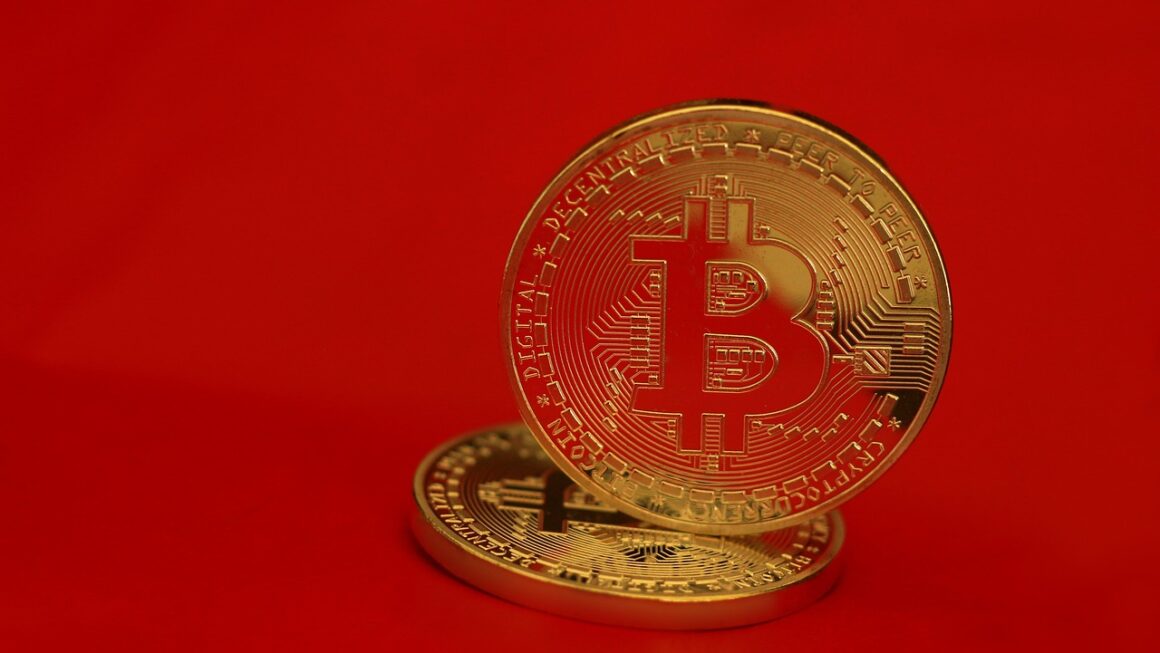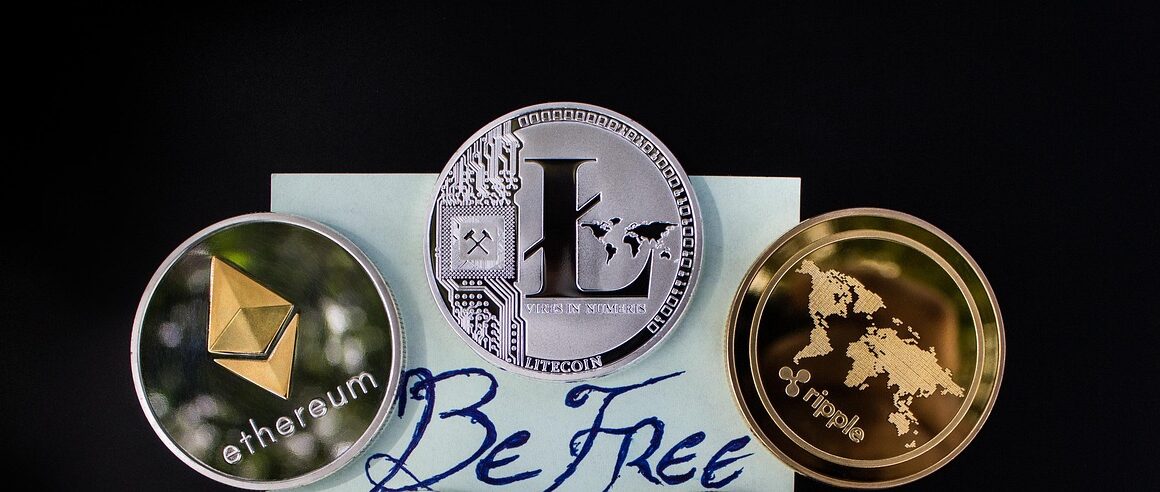
The financial world stands on the cusp of a revolution, silently reshaping how we interact with money, credit, and investment. For centuries, traditional finance (TradFi) has been dominated by intermediaries—banks, brokers, and exchanges—acting as gatekeepers to financial services. However, a new paradigm is emerging, driven by the power of blockchain technology: Decentralized Finance (DeFi). This innovative ecosystem promises to democratize finance, offering unparalleled access, transparency, and efficiency to anyone with an internet connection, regardless of their geographical location or economic status. Dive in to explore how DeFi is building a truly open and inclusive financial system for the digital age.
What is Decentralized Finance (DeFi)?
Decentralized Finance, or DeFi, is an umbrella term for a variety of financial applications and services built on public blockchains, primarily Ethereum. Unlike traditional financial systems that rely on centralized institutions, DeFi operates without intermediaries, using code-driven agreements called smart contracts to automate transactions and enforce rules. This shift fundamentally alters the relationship between users and financial services, putting control directly into the hands of individuals.
The Blockchain Backbone
At the core of DeFi is blockchain technology. A blockchain is a distributed, immutable ledger that records all transactions across a network of computers. This decentralized nature means there’s no single point of control or failure. For DeFi, the implications are profound:
- Transparency: All transactions are publicly visible on the blockchain (though user identities remain pseudonymous).
- Security: Cryptographic principles make it extremely difficult to alter past transactions.
- Censorship Resistance: No central authority can block or reverse transactions once they are recorded on the chain.
This foundational layer provides the trustless environment necessary for DeFi applications to thrive, removing the need for third-party assurances.
Smart Contracts: The Trustless Enforcers
Smart contracts are self-executing contracts with the terms of the agreement directly written into lines of code. They run on the blockchain and automatically execute when predetermined conditions are met, without the need for human intervention or a legal system to enforce them. In DeFi, smart contracts facilitate everything from loan agreements and asset exchanges to yield generation and insurance.
- Automation: Processes like collateral liquidation or interest payments happen automatically.
- Trustlessness: You don’t need to trust a third party; you only need to trust the code.
- Efficiency: Reduces administrative overhead and processing times compared to traditional finance.
Actionable Takeaway: Understand that DeFi’s power comes from combining blockchain’s decentralized ledger with smart contracts’ automated, trustless execution.
Key Pillars and Applications of DeFi
The DeFi ecosystem is diverse and rapidly expanding, offering a wide array of financial services that mirror and often surpass those found in traditional banking. These applications leverage blockchain and smart contracts to create open, permissionless alternatives.
Decentralized Exchanges (DEXs)
DEXs allow users to trade cryptocurrencies directly with each other, peer-to-peer, without needing a centralized intermediary to hold their funds. This eliminates counterparty risk associated with centralized exchanges and gives users full custody of their assets. DEXs often utilize automated market makers (AMMs) that rely on liquidity pools to facilitate trades.
- Examples: Uniswap, Sushiswap, Pancakeswap.
- Benefit: Enhanced security due to non-custodial nature, wider token access.
Crypto Lending and Borrowing
One of the most popular DeFi applications, lending protocols allow users to lend out their cryptocurrency to earn interest or borrow by putting up collateral. These loans are typically overcollateralized to mitigate risk, meaning borrowers must deposit more value than they wish to borrow. Interest rates are determined by supply and demand within the protocol.
- Examples: Aave, Compound, MakerDAO (for DAI stablecoin loans).
- Benefit: Earn passive income on idle assets, access to credit without traditional banks.
Stablecoins
Stablecoins are cryptocurrencies designed to maintain a stable value, typically pegged to a fiat currency like the US Dollar (e.g., USD Coin – USDC, Tether – USDT, Dai – DAI). They are crucial to DeFi as they provide a stable medium of exchange, store of value, and unit of account, allowing users to avoid the high volatility often associated with other cryptocurrencies while remaining within the decentralized ecosystem.
- Types: Fiat-backed (USDC), Crypto-backed (DAI), Algorithmic (less common post-Terra crash).
- Benefit: Price stability for trading, lending, and payments within DeFi.
Yield Farming and Liquidity Mining
These advanced strategies involve users contributing their crypto assets to DeFi protocols (providing liquidity) to earn rewards, often in the form of additional tokens. Yield farmers strategically move their assets between different protocols to maximize returns, creating a competitive environment for attracting capital.
- Mechanism: Users deposit tokens into liquidity pools, earning a share of trading fees and/or newly minted governance tokens.
- Benefit: High potential returns, but also comes with higher risk, including impermanent loss.
Decentralized Autonomous Organizations (DAOs)
DAOs are blockchain-based organizations governed by their members through proposals and voting, typically using governance tokens. They represent a new form of collective decision-making, enabling decentralized management of DeFi protocols and other Web3 projects.
- Function: Members vote on protocol upgrades, treasury management, and other key decisions.
- Benefit: Democratic governance, transparency in operations.
Actionable Takeaway: Explore DEXs for trading, lending protocols for passive income, and understand stablecoins for mitigating volatility. For advanced users, yield farming and DAOs offer deeper engagement.
Advantages of Embracing DeFi
The shift from centralized to decentralized finance brings a host of compelling advantages that promise to redefine the financial landscape for individuals and institutions alike.
Financial Inclusion for All
DeFi is inherently permissionless, meaning anyone with an internet connection and a crypto wallet can access its services, regardless of their credit score, nationality, or income level. This opens up financial opportunities for the 1.7 billion unbanked adults globally.
- Global Access: No geographical restrictions or discriminatory practices.
- Lower Barriers: Minimal requirements to participate in lending, borrowing, and investing.
- Empowerment: Provides tools for wealth creation and management to underserved populations.
Practical Example: A farmer in a developing country can access a loan from Aave using crypto collateral, bypassing local banks with prohibitive interest rates or strict eligibility criteria.
Enhanced Transparency and Security
Every transaction on a public blockchain is immutable and verifiable, creating an unparalleled level of transparency. The reliance on cryptographic security and smart contracts reduces the risk of human error, fraud, and manipulation compared to opaque centralized systems.
- Auditability: All transactions and protocol code can be publicly inspected.
- Reduced Corruption: Eliminates the need for trust in fallible intermediaries.
- User Control: Users retain full custody of their assets, mitigating counterparty risk.
Increased Efficiency and Lower Costs
By automating processes through smart contracts and eliminating intermediaries, DeFi significantly reduces operational overheads. This often translates to lower fees, faster transaction settlements, and more competitive interest rates for users.
- Faster Settlements: Transactions settle in minutes, not days.
- Reduced Fees: Eliminates many traditional banking fees and charges.
- 24/7 Access: Markets and services are available around the clock, globally.
User Control and Censorship Resistance
In DeFi, users maintain control over their private keys, meaning they have sovereign ownership of their funds. No central entity can freeze assets or prevent transactions, making the system highly resistant to censorship and external interference.
- Self-Custody: “Not your keys, not your coin” is a core DeFi principle.
- Permissionless Innovation: Developers can build on existing protocols without seeking permission, fostering rapid growth.
Actionable Takeaway: Embrace DeFi for its potential to offer financial freedom, lower costs, and greater control over your assets, especially if you’re unbanked or dissatisfied with traditional financial services.
Navigating the DeFi Landscape: Risks and Challenges
While DeFi presents transformative opportunities, it’s crucial to acknowledge and understand the inherent risks and challenges. The decentralized nature, while offering many benefits, also introduces complexities that users must be aware of.
Smart Contract Vulnerabilities
Smart contracts are code, and like any software, they can contain bugs or vulnerabilities. A flaw in a smart contract can lead to exploits, resulting in significant loss of funds for users interacting with that protocol. Audits by third-party security firms are common but do not guarantee invulnerability.
- Example: The infamous DAO hack in 2016, where a vulnerability led to the theft of millions of dollars worth of ETH. More recently, flash loan attacks have exploited protocol design flaws.
- Mitigation: Prioritize well-established, audited protocols; diversify investments; understand that audits reduce but don’t eliminate risk.
Volatility and Impermanent Loss
The underlying cryptocurrencies used in DeFi (e.g., Ethereum, Solana) are highly volatile. This volatility can impact the value of collateralized loans and assets held in liquidity pools. Impermanent loss is a specific risk for liquidity providers, where the value of their deposited tokens decreases relative to simply holding them due to price fluctuations between the assets in the pool.
- Impact: Sudden price drops can lead to liquidation of collateralized positions or reduced returns for liquidity providers.
- Mitigation: Use stablecoins for lower-risk interactions, understand impermanent loss before providing liquidity, set realistic expectations.
Regulatory Uncertainty
The decentralized and global nature of DeFi makes it challenging for regulators to oversee. Governments worldwide are still grappling with how to classify and regulate various DeFi activities, leading to an uncertain legal landscape. This uncertainty could lead to unforeseen restrictions or taxes in the future.
- Challenge: Lack of clear guidelines can deter institutional adoption and create compliance hurdles.
- Mitigation: Stay informed about regulatory developments, understand local tax implications of DeFi activities.
User Error and Scams
With great power comes great responsibility. In DeFi, users are responsible for managing their own private keys and understanding the protocols they interact with. Errors like sending funds to the wrong address, falling for phishing scams, or losing seed phrases can result in irreversible loss of assets.
- Risks: Phishing attacks, rug pulls (developers abandoning a project and running off with user funds), malicious smart contracts.
- Mitigation: Double-check addresses, use hardware wallets, be skeptical of excessively high returns, thoroughly research projects, never share your seed phrase.
Actionable Takeaway: Approach DeFi with caution and a commitment to continuous learning. Prioritize security, understand the specific risks of each protocol, and never invest more than you can afford to lose.
Getting Started with DeFi: A Practical Guide
Embarking on your DeFi journey doesn’t have to be daunting. By following a few key steps and understanding fundamental concepts, you can safely navigate this innovative financial frontier.
Choosing Your Digital Wallet
Your digital wallet is your gateway to DeFi. It allows you to store your cryptocurrencies, interact with smart contracts, and manage your private keys. Wallets come in various forms:
- Browser Extension Wallets: Like MetaMask or WalletConnect, these are convenient for interacting with dApps (decentralized applications) directly from your browser.
- Hardware Wallets: Devices like Ledger or Trezor offer the highest level of security by storing your private keys offline. They are highly recommended for larger sums of crypto.
- Mobile Wallets: Apps that allow DeFi interaction on your smartphone.
Tip: Always use official sources to download wallets and protect your seed phrase (recovery phrase) diligently. Never share it with anyone.
Understanding Gas Fees
Transactions on public blockchains like Ethereum require a small fee, known as “gas,” paid to network validators. Gas fees can fluctuate significantly based on network congestion, impacting the cost of interacting with DeFi protocols. Higher fees mean more expensive transactions.
- Impact: Can make small transactions uneconomical.
- Strategy: Consider transacting during off-peak hours (when network usage is lower) or exploring DeFi protocols on layer-2 solutions or alternative blockchains (e.g., Polygon, Arbitrum, Solana) with lower gas fees.
Researching DeFi Protocols
Before committing funds, thoroughly research any DeFi protocol you intend to use. Look for:
- Audits: Has the protocol undergone independent smart contract security audits?
- Team: Is the development team public and reputable?
- Community: A vibrant and engaged community on platforms like Discord or Twitter can be a good sign.
- Tokenomics: Understand the native token’s utility and distribution.
- TVL (Total Value Locked): A higher TVL often indicates greater trust and liquidity, though it’s not the only metric.
Practical Example: Before lending on Aave, check its official documentation, recent security audits, and TVL on DeFi data aggregators like DeFiLlama.
Security Best Practices
Your vigilance is your best defense in DeFi:
- Start Small: Begin with small amounts to test the waters before committing significant capital.
- Diversify: Don’t put all your funds into a single protocol or asset.
- Revoke Permissions: Regularly check and revoke smart contract approvals for dApps you no longer use, using tools like Etherscan’s Token Approvals.
- Stay Informed: Follow reputable DeFi news sources and join relevant communities.
- Beware of Scams: If something sounds too good to be true (e.g., guaranteed astronomical returns), it probably is.
Actionable Takeaway: Secure your assets with a hardware wallet, start with reputable and audited protocols, understand gas fees, and continuously educate yourself on security best practices.
Conclusion
Decentralized Finance is more than just a fleeting trend; it represents a fundamental shift in how financial services can be delivered and consumed. By leveraging the power of blockchain and smart contracts, DeFi is building an open, transparent, and accessible financial system that empowers individuals worldwide. While the journey is not without its risks—from smart contract vulnerabilities to regulatory uncertainties—the potential for innovation, financial inclusion, and efficiency is immense.
As the DeFi ecosystem matures, fueled by continuous development and increasing adoption, it promises to democratize finance, break down traditional barriers, and redefine the future of money. For those willing to learn, adapt, and navigate its complexities with caution, DeFi offers a compelling vision of a truly global and equitable financial landscape. The revolution is here, and it’s decentralized.