In an increasingly interconnected yet paradoxically centralized world, a powerful paradigm is gaining undeniable momentum: decentralization. For decades, our digital lives, financial systems, and even our social interactions have been largely governed by central authorities – large corporations, governments, and financial institutions. While these centralized models offered perceived efficiency and control, they also introduced vulnerabilities: single points of failure, data breaches, censorship risks, and a lack of individual autonomy. Today, we stand at the precipice of a significant shift, one where power is redistributed, trust is built through verifiable systems, and innovation flourishes from the edges. This blog post will delve into the core concepts, benefits, applications, and future of decentralization, exploring why this movement is not just a technological trend but a fundamental reshaping of our digital and physical realities.
Understanding Decentralization: A Paradigm Shift
At its heart, decentralization represents the distribution of power, control, and decision-making away from a central entity. Instead of a single server, organization, or individual dictating operations, a decentralized system relies on a network of participants that independently contribute and validate activities. This stands in stark contrast to the traditional centralized models that have long dominated our infrastructure.
Centralized vs. Decentralized: A Fundamental Difference
To truly grasp decentralization, it’s essential to understand what it’s opposing:
- Centralized Systems: Imagine a corporate headquarters. All major decisions, data storage, and operational control reside in one place. Examples include traditional banks, social media giants (like Facebook or Twitter), and cloud service providers (like Amazon Web Services).
- Decentralized Systems: Picture a sprawling network of independent nodes, each holding a copy of information or contributing to a common goal, without a single governing body. Think of a peer-to-peer file-sharing network like BitTorrent, or more profoundly, the blockchain technology underpinning Bitcoin.
Why the Shift to Decentralization?
The growing appeal of decentralization stems from inherent weaknesses in centralized systems:
- Single Points of Failure: If the central server goes down, the entire system collapses.
- Censorship and Control: A central authority can easily block content, freeze assets, or deny access.
- Data Vulnerability: Centralized databases are attractive targets for hackers, leading to massive data breaches.
- Lack of Transparency: Operations often occur behind closed doors, leading to distrust.
- Rent-Seeking Behavior: Centralized entities can extract significant value from users due to their monopoly.
Actionable Takeaway: Begin to identify centralized points of control in your daily digital interactions. Who owns your data? Who controls your online identity? Understanding these points is the first step toward appreciating decentralized alternatives.
The Core Pillars of Decentralization
Decentralization isn’t just about distributing control; it’s about fostering a new set of principles that enhance security, transparency, and individual empowerment. These core pillars define its transformative potential.
Enhanced Security and Resilience
One of the most compelling arguments for decentralization is its inherent robustness against attacks and failures. Without a single target, malicious actors face a much harder task.
- No Single Point of Failure: If one node in a decentralized network fails or is attacked, the others continue to operate, ensuring continuous service. For instance, a distributed ledger like Bitcoin’s has never been ‘down’ due to a server crash.
- Tamper Resistance: In systems like blockchain, data is immutably recorded across many nodes. Changing one record would require altering thousands or millions of copies simultaneously, which is practically impossible. This makes decentralized records highly trustworthy.
Increased Transparency and Trust
Decentralization fundamentally alters how trust is established, moving from trusting an intermediary to trusting a verifiable system.
- Open and Verifiable Records: Many decentralized systems, especially those built on public blockchains, allow anyone to view and verify transactions and data. This transparency fosters trust without relying on intermediaries.
- Code as Law: Rules are often embedded in open-source code (e.g., smart contracts), meaning actions are executed exactly as programmed, eliminating the need to trust a human middleman’s discretion.
Greater Autonomy and Control
Decentralization empowers individuals by returning ownership and control over their data, assets, and decisions.
- Self-Sovereign Identity: Users can control their digital identity and share information selectively, rather than having companies manage and monetize their personal data.
- Censorship Resistance: Without a central authority to block or remove content, decentralized platforms offer greater freedom of speech and access to information. Think of decentralized social media alternatives that cannot be easily shut down or censored.
Innovation and Collaboration
By lowering barriers to entry and fostering open protocols, decentralization catalyzes innovation.
- Open-Source Development: Many decentralized projects are open-source, allowing developers worldwide to contribute, audit, and build upon existing protocols. This accelerates development and improves security.
- Permissionless Innovation: Anyone can build new applications or services on top of existing decentralized networks without seeking permission from a central gatekeeper.
Actionable Takeaway: Consider how you might benefit from regaining control over your data or participating in more transparent systems. Explore projects that prioritize these pillars, and understand how they contrast with your current digital experiences.
Decentralization in Action: Real-World Applications
While the concepts of decentralization can seem abstract, its impact is already being felt across a multitude of industries and technologies. From finance to digital identity, decentralized solutions are reshaping our digital landscape.
Blockchain and Cryptocurrencies
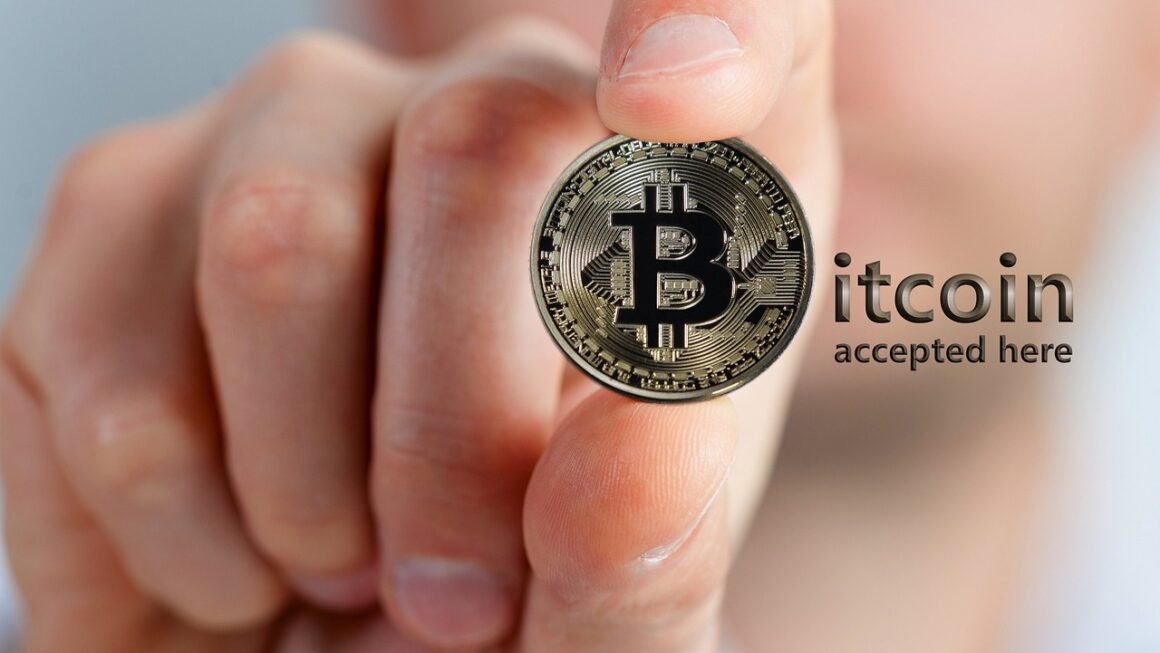
Perhaps the most prominent example of decentralization is blockchain technology and the cryptocurrencies it enables. Bitcoin, created in 2009, introduced a peer-to-peer electronic cash system that operates without any central bank or financial institution.
- Bitcoin: A decentralized digital currency where transactions are recorded on a public ledger (blockchain) maintained by a network of independent computers (nodes). This eliminates the need for banks to verify transactions.
- Ethereum: Beyond just currency, Ethereum introduced “smart contracts” – self-executing contracts with the terms of the agreement directly written into code. This allows for complex decentralized applications (dApps) to be built, revolutionizing digital agreements and processes.
Decentralized Finance (DeFi)
DeFi is an umbrella term for financial applications built on blockchain technology, aiming to recreate traditional financial services in a decentralized, transparent, and permissionless manner.
- Lending and Borrowing: Platforms like Aave and Compound allow users to lend out their crypto assets to earn interest or borrow by putting up collateral, all without a bank.
- Decentralized Exchanges (DEXs): Uniswap and SushiSwap enable users to trade cryptocurrencies directly with each other, without a centralized exchange holding their funds. This reduces counterparty risk and offers greater control.
- Stablecoins: Decentralized stablecoins (e.g., DAI) aim to maintain a stable value against fiat currencies without relying on a central issuer to hold reserves.
Web3 and Decentralized Applications (dApps)
Web3 envisions a decentralized internet where users have more control over their data and digital identities, moving away from the “platform economy” dominated by tech giants.
- Decentralized Storage: Protocols like IPFS (InterPlanetary File System) and Filecoin offer peer-to-peer storage solutions, making data more resilient and censorship-resistant than traditional cloud storage.
- Decentralized Identity: Projects like ENS (Ethereum Name Service) provide human-readable names for blockchain addresses and can be extended to manage decentralized identities, giving users true ownership of their online persona.
- Gaming and NFTs: Blockchain-based games and Non-Fungible Tokens (NFTs) allow players to truly own in-game assets, trade them on open markets, and even influence game development through decentralized governance.
Decentralized Autonomous Organizations (DAOs)
DAOs are organizations whose rules are encoded as computer programs, transparent, controlled by the organization’s members, and not influenced by a central government. Transactions and rule-based actions are recorded on a blockchain.
- Community Governance: Members typically hold tokens that grant them voting rights on proposals related to the DAO’s operations, treasury, or future development. Examples include MakerDAO and Aragon.
Actionable Takeaway: Explore some of these applications. Try using a DEX, research a popular dApp, or learn about how a DAO functions. Engaging directly with decentralized technologies is the best way to understand their power.
Navigating the Challenges and Future of Decentralization
While the promise of decentralization is immense, it’s not without its hurdles. Understanding these challenges is crucial for fostering sustainable growth and mainstream adoption.
Current Challenges
- Scalability Issues: Many decentralized networks, particularly early blockchains, struggle with transaction speed and throughput (transactions per second) compared to centralized systems like Visa. This can lead to slow transactions and high fees.
- User Experience (UX): Decentralized applications can often be complex and unintuitive for the average user, requiring knowledge of wallets, seed phrases, and gas fees. This is a significant barrier to mainstream adoption.
- Regulatory Uncertainty: Governments worldwide are grappling with how to regulate decentralized technologies, particularly cryptocurrencies and DeFi. This creates a challenging environment for innovation and widespread integration.
- Governance Challenges: While DAOs offer decentralized governance, achieving consensus among a large, diverse group of token holders can be slow and complex. Voter apathy and whale dominance (large token holders having disproportionate influence) are also concerns.
- Security Vulnerabilities: While the underlying blockchain technology is robust, smart contract bugs, phishing attacks, and user error (e.g., losing seed phrases) remain significant security risks in the decentralized ecosystem.
The Future of Decentralization
Despite these challenges, the trajectory of decentralization is clearly upward. The focus is now on addressing these pain points through continuous innovation:
- Layer 2 Solutions: Technologies like Lightning Network (for Bitcoin) and rollups (for Ethereum) are being developed to process transactions off the main blockchain, significantly improving scalability and reducing costs.
- Improved UX/UI: Developers are actively working on making decentralized applications more user-friendly, abstracting away technical complexities and integrating familiar interfaces.
- Interoperability: Solutions that allow different decentralized networks to communicate and transfer assets seamlessly (e.g., cross-chain bridges) are crucial for a truly interconnected decentralized ecosystem.
- Progressive Decentralization: Many projects start with some degree of centralization for efficiency and speed, then gradually decentralize over time as the technology matures and community governance strengthens.
Actionable Takeaway: Approach decentralized technology with a critical and informed perspective. Understand its current limitations, stay updated on ongoing developments, and prioritize security practices like proper wallet management and due diligence when interacting with new platforms.
Conclusion
Decentralization is more than a technical buzzword; it’s a profound philosophy that challenges the established norms of power, control, and trust. By distributing authority, fostering transparency, and empowering individuals, it offers compelling solutions to many of the critical vulnerabilities inherent in our current centralized systems. From the foundational innovations of blockchain and cryptocurrencies to the burgeoning ecosystems of DeFi, Web3, and DAOs, we are witnessing the emergence of a more resilient, equitable, and open digital future.
While the journey towards a fully decentralized world is still unfolding and faces significant challenges, the momentum is undeniable. Embracing decentralization means embracing innovation, demanding greater transparency, and taking active ownership of our digital lives. As this paradigm continues to evolve, understanding its principles and participating in its development will be key to shaping a more secure, inclusive, and autonomous future for all.