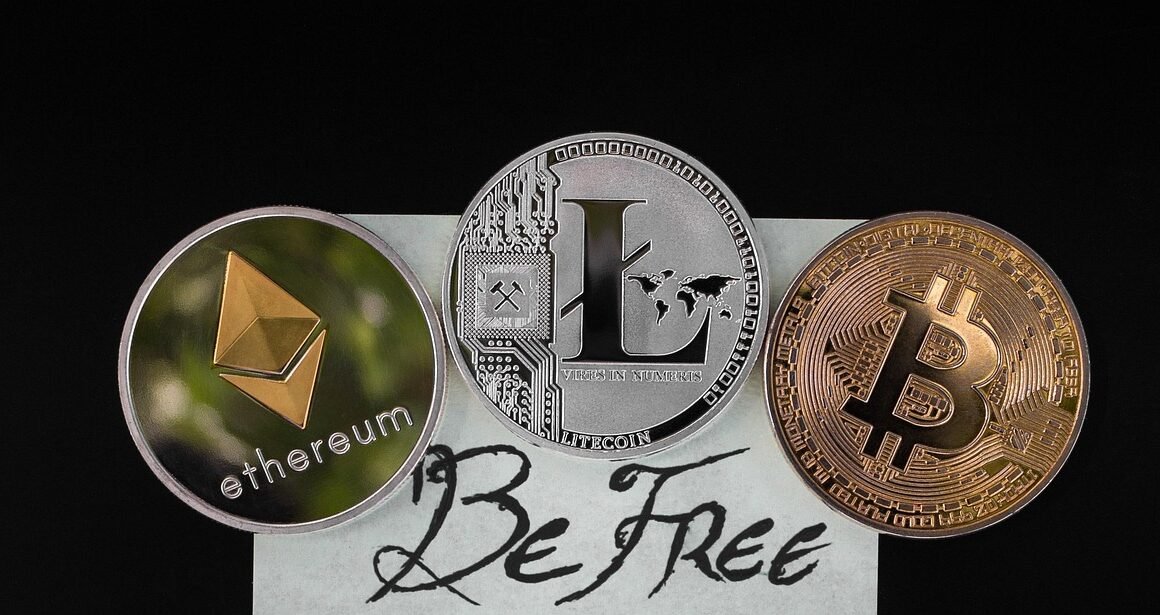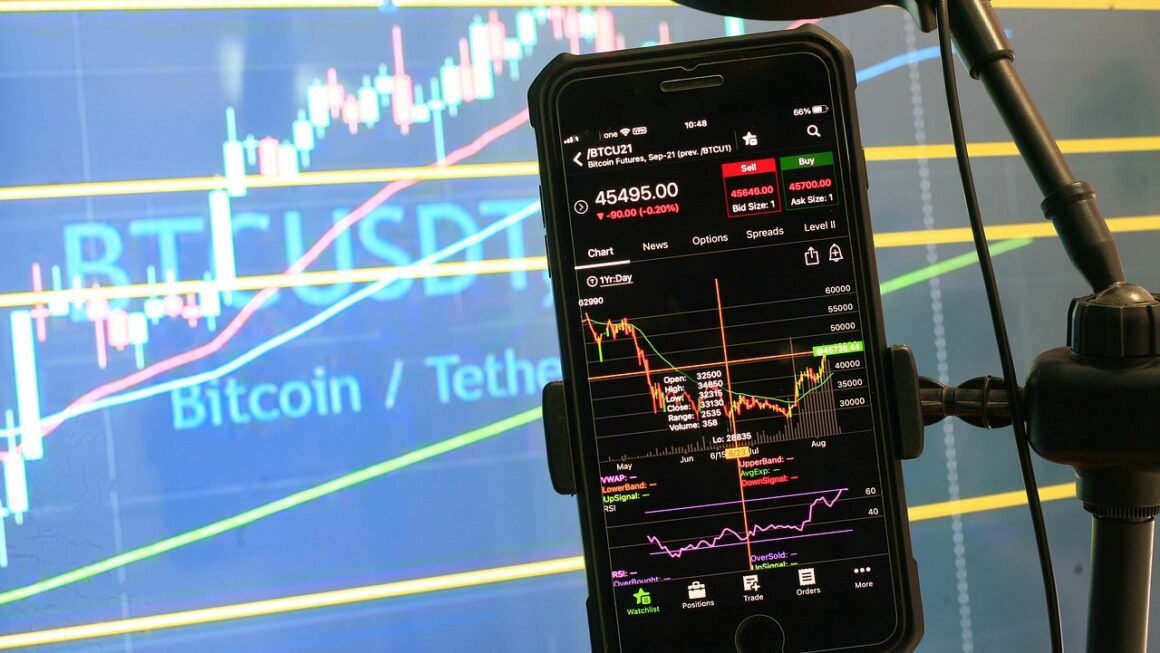
The global financial system, a labyrinth of intermediaries, paperwork, and often prohibitive barriers, has long been a cornerstone of modern society. Yet, for billions around the world, access remains limited, fees are high, and transparency is a constant concern. Enter Decentralized Finance (DeFi), a revolutionary paradigm shifting the very foundations of money and banking. Built on the bedrock of blockchain technology, DeFi promises a future where financial services are open, transparent, and accessible to anyone, anywhere, without the need for traditional gatekeepers. This isn’t just an evolution; it’s a fundamental reimagining of how we interact with value, offering unprecedented control and opportunity.
What is Decentralized Finance (DeFi)?
Decentralized Finance, or DeFi, refers to an ecosystem of financial applications built on blockchain technology, primarily Ethereum. Unlike traditional finance (TradFi), where intermediaries like banks, brokers, and exchanges control financial transactions, DeFi removes these central authorities. Instead, it leverages peer-to-peer networks and cryptographic protocols to provide a wide array of financial services directly to users, fostering a more inclusive, transparent, and efficient financial landscape.
Core Principles of DeFi
DeFi’s power lies in its adherence to several foundational principles that differentiate it from conventional finance:
- Decentralization: No single entity or institution controls the network. Decisions are often made by the community, and operations are distributed across numerous nodes.
- Permissionless: Anyone with an internet connection can access and utilize DeFi protocols without needing approval, opening financial services to the unbanked and underbanked globally.
- Transparency: All transactions on the blockchain are publicly visible and verifiable (though user identities remain pseudonymous), eliminating hidden fees and opaque practices.
- Immutability: Once transactions are recorded on the blockchain, they cannot be altered or deleted, ensuring a high degree of security and finality.
- Composability (Money Legos): DeFi protocols are open-source and interoperable, meaning they can be combined and built upon like digital “money legos” to create new and more complex financial products.
Actionable Takeaway: Understand these principles to grasp why DeFi is a fundamentally different approach to finance, prioritizing user autonomy and transparency over centralized control.
How DeFi Works: The Role of Blockchain and Smart Contracts
At the heart of DeFi lies blockchain technology, most notably the Ethereum network, which serves as the infrastructure. Here’s how it orchestrates the DeFi ecosystem:
- Smart Contracts: These are self-executing contracts with the terms of the agreement directly written into code. They automatically execute and enforce agreements when predefined conditions are met, removing the need for intermediaries. For example, a lending smart contract automatically releases collateral once a loan is repaid.
- Decentralized Applications (dApps): DeFi protocols are implemented as dApps, which are applications built on smart contracts. These dApps provide user interfaces for interacting with the underlying protocols (e.g., Aave for lending, Uniswap for swapping tokens).
- Cryptocurrency: Digital assets, primarily Ethereum (ETH) and stablecoins, are used as collateral, payment, and a medium of exchange within the DeFi ecosystem.
Practical Example: When you provide liquidity to a DEX like Uniswap, you deposit two different tokens into a smart contract. This contract then automatically facilitates swaps between those tokens for other users, and in return for providing liquidity, you earn a share of the transaction fees, all without a bank or broker involved.
Actionable Takeaway: Familiarize yourself with how smart contracts automate financial agreements, as they are the backbone of all DeFi operations.
The Pillars of DeFi: Key Applications and Protocols
The DeFi ecosystem is diverse, encompassing a wide range of financial services that mirror and often surpass those offered by traditional institutions. These applications are built as protocols, which are sets of rules governing specific financial interactions.
Lending and Borrowing Protocols
One of the most popular applications in DeFi allows users to lend out their crypto assets to earn interest or borrow assets by providing collateral. This is done through transparent, peer-to-peer smart contracts.
- How it Works: Lenders deposit their crypto into a smart contract, which pools funds. Borrowers can then draw from this pool by providing overcollateralization (e.g., depositing $150 worth of ETH to borrow $100 worth of DAI). Interest rates are determined algorithmically based on supply and demand.
- Examples:
- Aave: A leading decentralized lending protocol where users can earn interest on deposits and borrow various cryptocurrencies. It also introduced flash loans, uncollateralized loans that must be repaid within the same blockchain transaction.
- Compound: Another prominent lending and borrowing platform that uses an algorithmic interest rate model, adjusting rates based on asset utilization.
- Benefits: Higher interest rates for lenders compared to traditional savings accounts (often 3-10% APR or more), instant loan access without credit checks, and global accessibility.
Actionable Takeaway: Explore lending platforms like Aave to put your idle crypto assets to work and earn passive income, but always be aware of the collateralization ratios and potential liquidation risks if borrowing.
Decentralized Exchanges (DEXs)
DEXs enable users to trade cryptocurrencies directly with each other without the need for a centralized intermediary like Coinbase or Binance. This means users retain full control of their funds throughout the trading process.
- How it Works: Most modern DEXs use an Automated Market Maker (AMM) model. Instead of order books, users trade against liquidity pools filled with tokens provided by other users (liquidity providers). The price is determined by a mathematical formula, such as x*y=k (where x and y are quantities of two tokens in a pool, and k is a constant).
- Examples:
- Uniswap: The largest and most popular DEX on Ethereum, known for its user-friendly interface and the AMM model it popularized.
- PancakeSwap: A leading DEX on the Binance Smart Chain, offering similar swapping and liquidity provision services, often with lower transaction fees.
- Benefits: Non-custodial trading (you always control your private keys), access to a wider range of tokens (especially new and emerging ones), censorship resistance, and often lower listing barriers for new projects.
Actionable Takeaway: Use DEXs for greater control over your assets and access to a broader market, but understand the concept of impermanent loss if providing liquidity and be mindful of gas fees on certain networks.
Stablecoins and Yield Farming
These two components are crucial to the functioning and allure of the DeFi ecosystem.
- Stablecoins: Cryptocurrencies designed to minimize price volatility, usually by pegging their value to a stable asset like the US dollar.
- Examples: USDC, USDT (centralized, fiat-backed), DAI (decentralized, crypto-backed).
- Role in DeFi: Stablecoins provide a safe haven from crypto volatility, making them ideal for lending, borrowing, and yield farming, allowing users to earn returns without constant exposure to price swings.
- Yield Farming: The practice of staking or locking up cryptocurrency in DeFi protocols to earn rewards, often in the form of additional cryptocurrency. It involves strategically moving funds between different protocols to maximize returns.
- How it Works: Users become liquidity providers (LPs) on DEXs, lend assets on lending platforms, or stake tokens in governance pools. In return, they receive fees, governance tokens, or a portion of the protocol’s revenue.
- Risks: Smart contract bugs, impermanent loss (for LPs), high gas fees, and the volatility of reward tokens.
Actionable Takeaway: Consider using stablecoins for transactions or to mitigate volatility in your portfolio. If exploring yield farming, start with reputable platforms and understand the risks, especially impermanent loss for liquidity provision.
Advantages and Disadvantages of Embracing DeFi
While DeFi offers a revolutionary alternative to traditional finance, it comes with its own set of unique benefits and inherent risks that users must understand.
The Transformative Benefits
DeFi’s potential to reshape global finance is rooted in its powerful advantages:
- Financial Inclusion: Billions of unbanked individuals globally can access financial services with just a smartphone and internet connection, bypassing restrictive traditional banking requirements.
- Transparency: All transactions are recorded on a public blockchain, ensuring an unprecedented level of transparency and auditability, reducing fraud and corruption.
- Efficiency and Lower Fees: By removing intermediaries, many DeFi transactions can be executed faster and at a lower cost than traditional banking services, especially for international transfers.
- User Control and Sovereignty: Users maintain full custody of their assets (via private keys), eliminating counterparty risk associated with centralized institutions.
- Innovation and Composability: The open-source nature of DeFi allows developers to rapidly innovate and combine existing protocols, leading to an explosion of new financial products and services.
- Global Access: DeFi services are accessible 24/7, anywhere in the world, without geographical restrictions or business hours.
Actionable Takeaway: Recognize DeFi’s potential to democratize finance and empower individuals, but always prioritize security practices to maintain control over your assets.
Understanding the Risks and Challenges
Despite its promise, DeFi is a nascent and complex space with significant risks:
- Smart Contract Vulnerabilities: Bugs or exploits in the underlying code of smart contracts can lead to significant financial losses. Audits help but don’t guarantee complete security.
- Impermanent Loss: For liquidity providers on AMM DEXs, the value of their deposited assets can decrease compared to simply holding them, especially during periods of high price volatility.
- High Gas Fees: On popular blockchains like Ethereum, transaction fees (gas) can be high and unpredictable, particularly during network congestion, making small transactions uneconomical.
- Regulatory Uncertainty: The regulatory landscape for DeFi is still evolving, posing potential risks for users and projects as governments grapple with how to classify and oversee these decentralized services.
- User Error: The self-custodial nature means users are solely responsible for managing their private keys. Losing them means losing access to funds permanently; sending funds to the wrong address is often irreversible.
- Scalability Issues: Many current blockchains struggle to handle the transaction volume required for widespread adoption, leading to slow transaction times and high fees.
Actionable Takeaway: Never invest more than you can afford to lose. Thoroughly research any protocol before interacting with it, check for audits, and understand the specific risks involved, especially smart contract risk and impermanent loss.
Getting Started with Decentralized Finance: A Practical Guide
Embarking on your DeFi journey can seem daunting, but with the right tools and knowledge, it’s accessible. Here’s a step-by-step approach to get you started responsibly.
Essential Tools and Wallets
Before you can interact with any DeFi protocol, you’ll need the following:
- Non-Custodial Wallet: This is your gateway to DeFi. It allows you to store your cryptocurrencies and interact with dApps while maintaining full control over your private keys.
- Software Wallets: MetaMask is the most popular browser extension wallet, connecting seamlessly to most Ethereum-based dApps. Trust Wallet is a popular mobile alternative.
- Hardware Wallets: For enhanced security, especially for larger holdings, consider a Ledger or Trezor. These devices store your private keys offline, making them immune to online hacks.
- Funding Your Wallet: You’ll need to acquire cryptocurrency, typically Ethereum (ETH) as it powers most DeFi applications, or a stablecoin like USDC or DAI.
- On-Ramp Services: Use a centralized exchange (e.g., Coinbase, Binance) to convert fiat currency (USD, EUR) into crypto and then withdraw it to your non-custodial wallet.
- Peer-to-Peer (P2P) Marketplaces: Some platforms allow direct fiat-to-crypto trades with other individuals.
Practical Example: Install the MetaMask browser extension, create a new wallet, and securely store your seed phrase offline. Then, buy some ETH on Coinbase and send it to your MetaMask wallet address. You now have the basic setup to explore DeFi!
Actionable Takeaway: Prioritize securing your wallet’s seed phrase. It is the master key to your funds. Never share it, and store it in multiple, secure, offline locations.
Navigating Your First DeFi Interaction
Once your wallet is set up and funded, you can begin interacting with DeFi protocols. Start with simple actions to build confidence.
- Choose a Reputable Platform: For your first interaction, select well-established and audited protocols. Uniswap (for swapping) or Aave (for lending) are excellent starting points.
- Connect Your Wallet: Navigate to the dApp’s website (e.g., app.uniswap.org) and click the “Connect Wallet” button, usually found in the top right corner. Select MetaMask (or your chosen wallet) and approve the connection.
- Execute Your First Transaction (e.g., Swapping Tokens):
- On Uniswap, select the token you want to swap from (e.g., ETH) and the token you want to swap to (e.g., DAI).
- Enter the amount. The platform will show you the estimated receive amount, price impact, and transaction fees.
- Click “Swap,” then “Confirm Swap.”
- Your MetaMask wallet will pop up, asking you to confirm the transaction and showing the associated gas fee. Review details carefully and click “Confirm.”
- Wait for the transaction to be confirmed on the blockchain (this can take seconds to minutes, depending on network congestion).
- Monitor Your Assets: After the transaction, your new tokens will appear in your MetaMask wallet (you might need to add the custom token address for less common tokens). You can also view your transaction history on block explorers like Etherscan.
Actionable Takeaway: Start with small amounts. Practice with a few dollars to understand the process and gas fees before committing larger sums. Always double-check addresses and transaction details before confirming to prevent irreversible mistakes.
Conclusion
Decentralized Finance represents a seismic shift in the financial landscape, challenging centuries-old norms and offering a future of unprecedented financial freedom and innovation. From enabling instant, permissionless lending and borrowing to facilitating global, censorship-resistant trading, DeFi is rapidly expanding the boundaries of what’s possible in finance. While the journey is still in its early stages, marked by both incredible opportunities and significant risks, its core promise of a more open, transparent, and equitable financial system for all remains a powerful beacon. As the technology matures and regulations evolve, DeFi is poised to transform not just how we manage our money, but how we participate in the global economy, empowering individuals like never before. The future of finance is decentralized, and it’s unfolding now.