In an increasingly interconnected yet centralized world, a powerful counter-movement is gaining unprecedented momentum: decentralization. This isn’t just a technical concept; it’s a fundamental shift in how we organize information, power, and trust, promising to reshape everything from finance and governance to data ownership and digital identity. As digital ecosystems become more complex and the vulnerabilities of centralized control become more apparent, understanding decentralization is no longer optional—it’s essential for anyone looking to navigate and thrive in the future of technology and society.
Understanding Decentralization: A Paradigm Shift
What Exactly is Decentralization?
At its core, decentralization refers to the process of distributing functions, power, or assets away from a central authority. Instead of relying on a single entity or small group to control decisions, data, or operations, a decentralized system spreads these responsibilities across a network of participants. This architectural shift often involves a network of independent nodes working together, communicating directly, and reaching consensus without the need for an intermediary.
Think of it as moving from a monarchical system to a democracy, or from a single point of failure server to a robust, distributed cloud infrastructure. The goal is to eliminate single points of control and failure, fostering greater resilience, transparency, and autonomy.
- Centralized System: One main server, one database, one controlling entity (e.g., traditional banks, Facebook).
- Decentralized System: Multiple interconnected servers/nodes, distributed ledgers, no single point of control (e.g., Bitcoin, IPFS).
Why Decentralization Matters Today
The rise of the internet ushered in an era of unprecedented connectivity, but it also inadvertently led to the concentration of power in a few large tech companies and institutions. This centralization has brought concerns about:
- Data Privacy: Centralized entities often collect and control vast amounts of personal data, raising fears of misuse or breaches.
- Censorship: A central authority can decide what content is allowed or disallowed, potentially stifling free speech.
- Security Risks: A single point of failure makes systems vulnerable to cyber-attacks, leading to widespread disruptions.
- Lack of Transparency: Decision-making processes can be opaque, leading to distrust.
Decentralization offers a powerful antidote to these challenges, promoting trustless interactions, enhanced security, and greater user empowerment. It’s about giving power back to the edges of the network.
Actionable Takeaway: Begin questioning the centralized services you rely on. Understand who controls your data and how decisions are made within those systems.
The Core Principles of Decentralized Systems
While the specifics can vary greatly across different applications, several fundamental principles underpin effective decentralized systems:
Distribution and Redundancy
A key characteristic of decentralization is the distribution of resources, data, and processing power across numerous nodes in a network. This inherently creates redundancy, meaning there are multiple copies of data or multiple pathways for operations. If one part of the network fails or is attacked, the others can continue to function, ensuring high availability and resilience.
- Example: Bitcoin’s blockchain is replicated across thousands of nodes globally. If one node goes offline, the network remains operational because other nodes hold the complete transaction history.
Censorship Resistance and Immutability
Without a central authority to control or alter data, decentralized systems are inherently more resistant to censorship. Once information is recorded on a distributed ledger, it’s typically immutable—meaning it cannot be changed or deleted. This is particularly crucial for financial transactions, public records, or sensitive information where integrity is paramount.
- Benefit: Activists in oppressive regimes can use decentralized communication tools without fear of immediate shutdown.
Transparency and Openness
Many decentralized systems, especially those built on public blockchains, operate with unparalleled transparency. All transactions or data entries are visible to all participants, often without revealing personal identities. The rules of the system are typically open-source and auditable, fostering trust through verifiable processes rather than relying on an intermediary.
- Example: Anyone can view the transaction history on the Ethereum blockchain, verifying the flow of assets without knowing the identity of the sender/receiver.
Trustlessness and Peer-to-Peer Interaction
Decentralization enables “trustless” environments, where participants can interact directly with each other without needing to trust a third-party intermediary. Trust is established through cryptographic proofs and consensus mechanisms rather than through a central authority. This peer-to-peer interaction removes bottlenecks and reduces the potential for corruption or manipulation by a single entity.
- Key Aspect: Instead of trusting a bank to handle your money, you trust the cryptography and network consensus of a decentralized financial protocol.
Actionable Takeaway: When evaluating a decentralized solution, look for evidence of genuine distribution, open-source code, and clear consensus mechanisms. These are indicators of true decentralization.
Decentralization in Action: Real-World Applications and Innovations
Decentralization is not merely a theoretical concept; it’s driving some of the most transformative technologies and movements today.
Blockchain and Cryptocurrencies
Perhaps the most widely recognized application of decentralization, blockchain technology, forms the backbone of cryptocurrencies like Bitcoin and Ethereum. A blockchain is a distributed, immutable ledger that records transactions across a network of computers. This enables secure, transparent, and censorship-resistant digital currency and asset transfer without relying on banks or financial institutions.
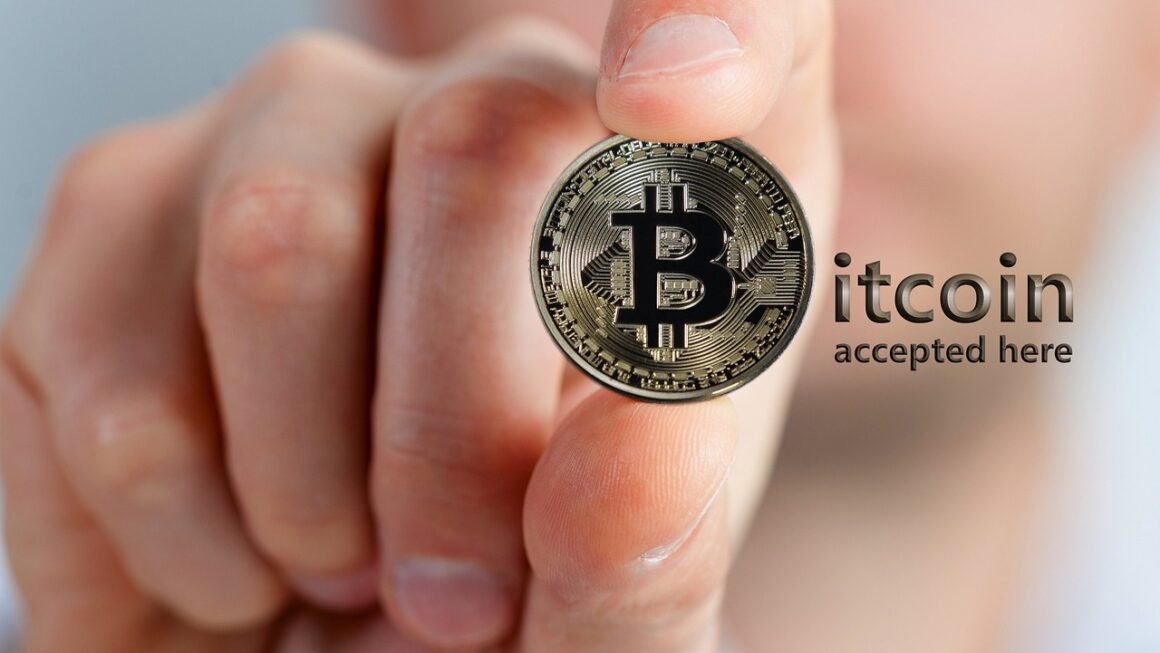
- Bitcoin: The pioneering example, providing a decentralized, peer-to-peer electronic cash system.
- Ethereum: Extends blockchain capabilities to host decentralized applications (dApps) and smart contracts, which are self-executing agreements coded onto the blockchain.
Decentralized Autonomous Organizations (DAOs)
DAOs represent a radical new model for collective governance. They are organizations managed by rules encoded as smart contracts on a blockchain, rather than by a traditional hierarchy. Decisions are made by members who hold governance tokens, voting on proposals directly. This fosters a more democratic and transparent form of management.
- Practical Use: DAOs are used for managing treasury funds, developing software, allocating grants, and even purchasing real-world assets (e.g., ConstitutionDAO).
Web3: The Decentralized Internet
Web3 is the vision of a new internet built on decentralized technologies, where users have greater control over their data and digital identities. Instead of data residing on servers owned by large corporations, it could be stored on decentralized networks, and digital assets (like NFTs) would be truly owned by individuals.
- Components: Includes decentralized storage networks (e.g., IPFS), decentralized social media platforms, and identity solutions that give users sovereign control over their digital presence.
Decentralized Finance (DeFi)
DeFi aims to recreate traditional financial services—like lending, borrowing, trading, and insurance—using blockchain technology, eliminating the need for banks and other intermediaries. This opens up financial access to anyone with an internet connection, often with greater transparency and lower fees.
- Examples: Platforms like Aave (lending/borrowing) and Uniswap (decentralized exchange) enable users to interact with financial services programmatically and permissionlessly.
Actionable Takeaway: Explore a non-custodial wallet (like MetaMask) to experience true digital asset ownership. Research a DAO that aligns with your interests to understand its governance model.
Unlocking the Benefits: Why Decentralize?
The movement towards decentralization is driven by a compelling set of advantages that promise to build more robust, fair, and equitable systems.
Enhanced Security and Resilience
By eliminating single points of failure, decentralized networks are inherently more secure and resilient. An attack on one node doesn’t bring down the entire system, and the distributed nature makes it extremely difficult for malicious actors to compromise or shut down the network.
- Reduced Risk: Less susceptible to large-scale data breaches that plague centralized databases.
- Network Uptime: Ensures continuous operation even if parts of the network experience issues.
Greater Privacy and User Control
Decentralization empowers individuals with greater control over their data and digital identity. Users can choose what information to share, when, and with whom, rather than having their data harvested and monetized by central entities. This shift fosters a more user-centric internet.
- Self-Sovereign Identity: Users own and manage their digital identities without relying on third parties.
- Data Minimization: Only necessary data is shared, reducing exposure.
Reduced Censorship and Single Points of Failure
Without a central gatekeeper, information and transactions can flow freely, making censorship extremely difficult. This fosters open communication and access to information, particularly valuable in regions with restrictive regimes. The lack of a single point of failure also means no entity can unilaterally shut down or block services.
- Freedom of Speech: Platforms built on decentralized protocols are harder to de-platform or censor.
- Economic Freedom: Access to financial services remains open, regardless of geographical location or political decisions.
Increased Efficiency and Transparency
In many cases, decentralized systems can offer greater efficiency by removing costly intermediaries and automating processes through smart contracts. The inherent transparency of public ledgers also creates a verifiable record, reducing the need for audits and fostering trust.
- Lower Transaction Costs: Eliminates fees charged by traditional intermediaries.
- Auditable Processes: All transactions are publicly verifiable, promoting accountability.
Empowering Global Participation
Decentralized systems are often permissionless, meaning anyone with an internet connection can participate, regardless of their location, social status, or financial background. This opens up opportunities for global collaboration and economic inclusion, fostering a more equitable playing field.
- Financial Inclusion: Enables access to banking-like services for the unbanked.
- Global Collaboration: Facilitates collective action and resource pooling across borders.
Actionable Takeaway: Consider the benefits of decentralization when choosing your next digital tool or service, prioritizing those that offer greater user control and transparency.
Navigating the Challenges and Future Outlook
While the promise of decentralization is immense, it’s not without its hurdles. Understanding these challenges is crucial for fostering sustainable growth and adoption.
Scalability and Performance Trade-offs
Many decentralized networks face challenges with scalability, struggling to process transactions as quickly and cheaply as centralized counterparts. The need for every node to verify transactions or maintain a copy of the ledger can lead to slower speeds and higher costs, especially as user demand grows. This is a major area of ongoing research and development (e.g., sharding, layer-2 solutions).
- Challenge: Bitcoin processes ~7 transactions per second, Ethereum ~15-30, whereas Visa handles thousands.
- Ongoing Solutions: Innovations like rollups and sidechains are being developed to boost transaction throughput.
User Experience and Accessibility
Currently, interacting with many decentralized applications (dApps) can be complex and intimidating for average users. Managing cryptographic keys, understanding gas fees, and navigating unfamiliar interfaces present significant barriers to entry. Improving the user experience (UX) is vital for mass adoption.
- Barrier: Losing a private key means losing access to all assets, with no recovery option.
- Improvement Focus: Wallet abstraction, user-friendly interfaces, and simplified onboarding processes.
Regulatory Landscape and Adoption Hurdles
The decentralized nature of these technologies poses a challenge for traditional regulators, who are accustomed to dealing with centralized entities. The lack of clear legal frameworks can create uncertainty, stifle innovation, and complicate institutional adoption. Furthermore, the anonymity offered by some decentralized systems raises concerns about illicit activities, leading to calls for greater oversight.
- Uncertainty: Laws around cryptocurrencies, DAOs, and NFTs are still evolving globally.
- Compliance: Balancing decentralization with KYC/AML (Know Your Customer/Anti-Money Laundering) requirements remains a complex issue.
The Road Ahead: Evolution and Integration
Despite these challenges, the trajectory of decentralization is clear. We are witnessing rapid innovation aimed at solving scalability, UX, and regulatory issues. The future will likely involve a blend of decentralized and centralized systems, with increasing integration of decentralized components into existing infrastructure.
- Hybrid Models: Traditional companies integrating blockchain for supply chain, data management, or loyalty programs.
- Interoperability: Developing bridges and protocols that allow different decentralized networks to communicate and share data.
Actionable Takeaway: Stay informed about regulatory developments and technological advancements in the decentralized space. Support projects that prioritize user experience and address real-world problems.
Conclusion
Decentralization represents more than just a technological trend; it’s a fundamental paradigm shift towards systems built on transparency, resilience, and individual empowerment. From the foundational layers of blockchain and cryptocurrency to the emerging landscapes of Web3 and DeFi, the movement away from centralized control is reshaping how we interact with technology, manage our assets, and govern our digital future. While challenges remain, the undeniable benefits—enhanced security, greater privacy, censorship resistance, and global participation—paint a compelling vision for a more open, fair, and robust digital world. Embracing and understanding decentralization is key to unlocking its full potential and participating actively in shaping the next evolution of the internet and beyond.