The world of finance is undergoing a monumental transformation, driven by an innovation that promises to redefine money, transactions, and ownership: cryptocurrency. What began as a niche technological experiment has exploded into a global phenomenon, captivating investors, technologists, and policymakers alike. From Bitcoin’s groundbreaking debut to the vibrant ecosystem of altcoins, DeFi, and NFTs, digital currencies are challenging traditional financial systems and opening up unprecedented opportunities. But what exactly is cryptocurrency, and why is it creating such a stir? This comprehensive guide will demystify the complex world of digital assets, offering insights, practical advice, and a glimpse into its revolutionary potential.
What is Cryptocurrency? Unpacking the Digital Revolution
At its core, a cryptocurrency is a digital or virtual currency secured by cryptography, making it nearly impossible to counterfeit or double-spend. Unlike traditional currencies issued by central banks, most cryptocurrencies are decentralized, meaning they are not subject to government or financial institution control. This independence is powered by an ingenious technology: the blockchain.
Blockchain Technology – The Foundation
The blockchain is the distributed ledger technology that underpins almost all cryptocurrencies. Imagine a digital record book shared across thousands of computers worldwide. Every transaction is a “block” that, once verified, is added to a chronological “chain” of previous transactions. This structure offers several key advantages:
- Immutability: Once a transaction is recorded on the blockchain, it cannot be altered or deleted, ensuring a permanent and tamper-proof record.
- Transparency: All transactions are publicly visible (though often pseudo-anonymous), allowing anyone to verify the ledger’s integrity.
- Security: The decentralized nature means there’s no single point of failure; hacking the entire network is incredibly difficult.
Actionable Takeaway: Understanding blockchain is crucial. It’s not just about money; it’s about a new way to record and verify information securely and transparently.
Decentralization Explained
Decentralization is arguably the most radical aspect of cryptocurrency. In traditional finance, central authorities like banks or governments control the money supply and verify transactions. With cryptocurrency:
- No single entity has control.
- Transactions are verified by a network of participants (miners or validators).
- It reduces reliance on intermediaries, potentially leading to faster and cheaper transactions.
This shift from centralized control to a distributed network is what gives cryptocurrencies their disruptive power.
Key Characteristics of Cryptocurrencies
Cryptocurrencies share common traits that set them apart:
- Digital Scarcity: Many cryptocurrencies, like Bitcoin, have a limited supply, mimicking precious metals like gold and potentially driving value.
- Security: Cryptographic techniques protect transactions and control the creation of new units.
- Borderless Transactions: Cryptocurrencies can be sent across the globe instantaneously, often with lower fees than traditional international transfers.
- Pseudo-anonymity: While transactions are public, the identities of the participants are typically represented by wallet addresses, not personal names.
Beyond Bitcoin: A World of Digital Assets
While Bitcoin pioneered the cryptocurrency movement, the ecosystem has since diversified dramatically, offering a vast array of digital assets each with unique features and use cases.
Bitcoin (BTC) – The Pioneer
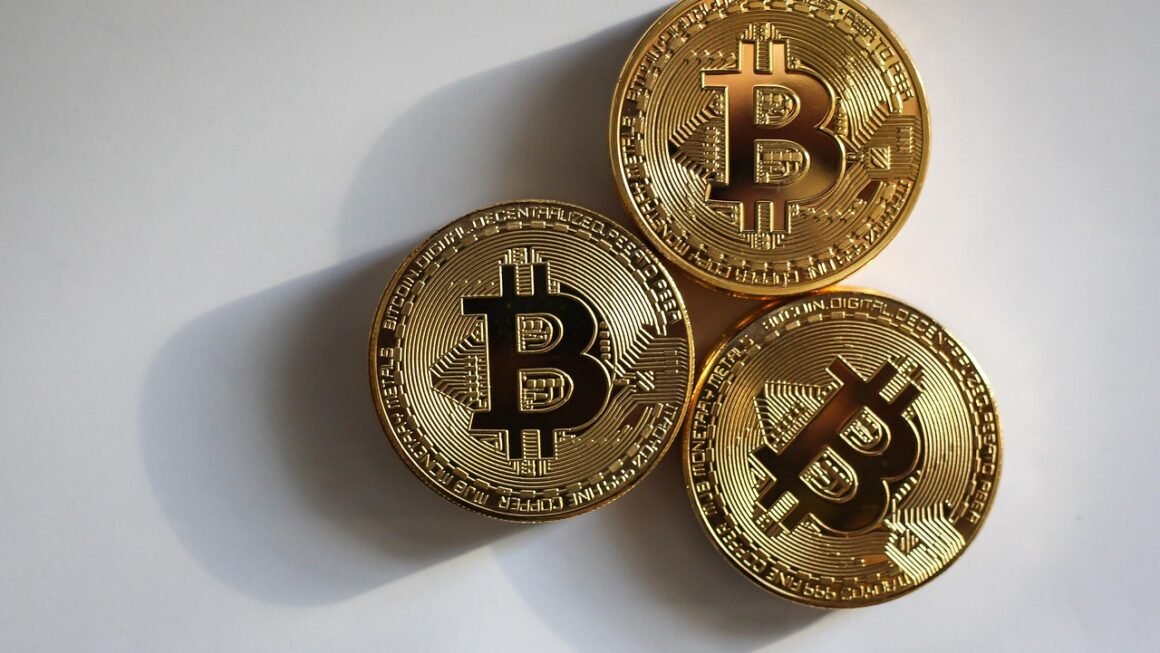
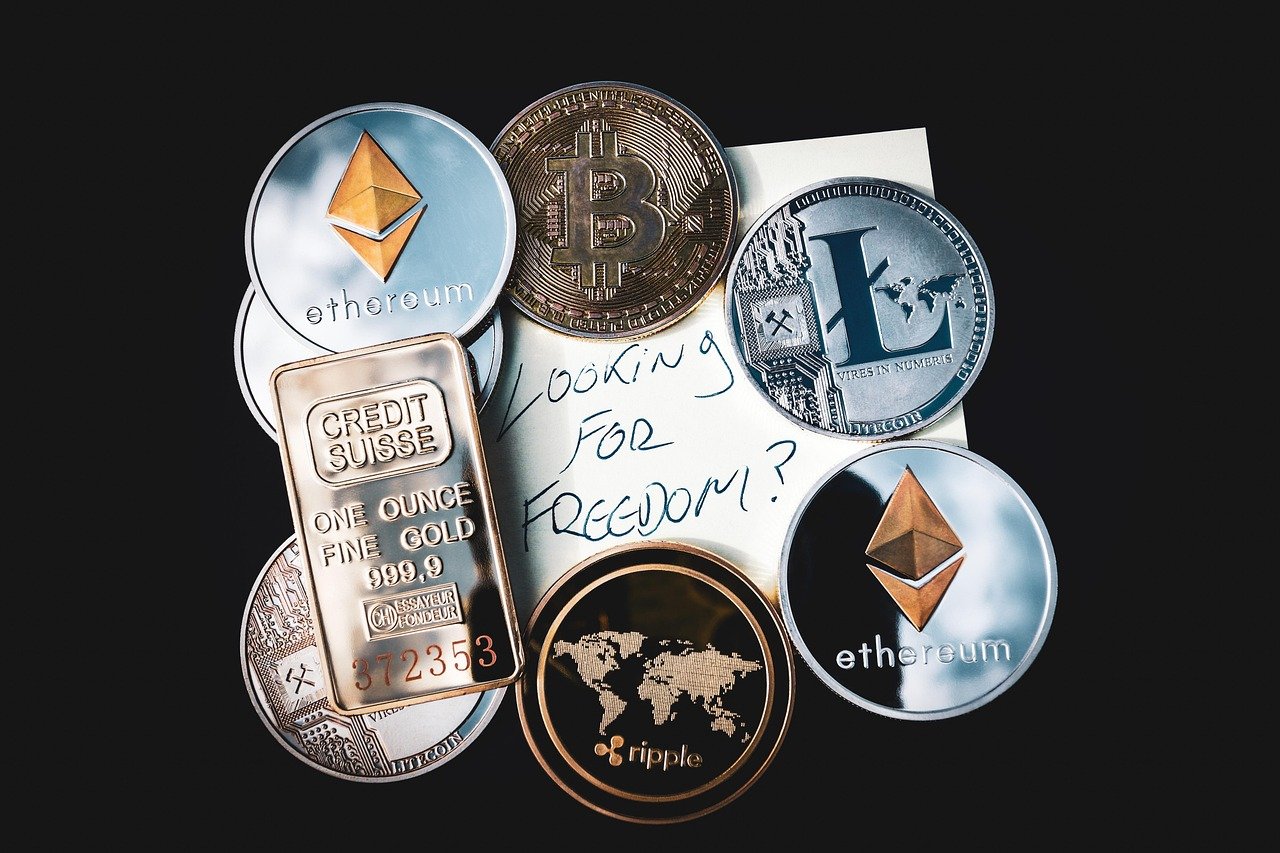
Launched in 2009 by the pseudonymous Satoshi Nakamoto, Bitcoin was the first successful cryptocurrency and remains the largest by market capitalization. It was created as a peer-to-peer electronic cash system, but over time, it has evolved into a prominent “store of value” — often dubbed “digital gold.”
- Limited Supply: Capped at 21 million coins, contributing to its scarcity and potential value.
- Proof-of-Work: Relies on energy-intensive mining to secure its network.
- Global Adoption: Accepted by a growing number of merchants and institutions worldwide.
Practical Example: Many long-term investors “HODL” (hold on for dear life) Bitcoin, believing its value will appreciate significantly over time due to its scarcity and first-mover advantage.
Ethereum (ETH) – Smart Contracts and DeFi
Ethereum, launched in 2015, is not just a cryptocurrency (Ether, or ETH), but a decentralized platform that enables the creation of “smart contracts” and decentralized applications (dApps). Smart contracts are self-executing agreements with the terms directly written into code. This innovation opened the floodgates for:
- Decentralized Finance (DeFi): A rapidly growing sector that offers financial services like lending, borrowing, and trading without traditional intermediaries.
- Non-Fungible Tokens (NFTs): Unique digital assets representing ownership of digital art, collectibles, and more.
- Gaming and Metaverse: The backbone for many blockchain-based games and virtual worlds.
Actionable Takeaway: Ethereum showcases that cryptocurrencies can be more than just money; they can be foundational platforms for new digital economies.
Altcoins and Stablecoins
Beyond Bitcoin and Ethereum, thousands of other cryptocurrencies exist, collectively known as “altcoins” (alternative coins). These include:
- Utility Tokens: Provide access to specific services or products on a blockchain network (e.g., Filecoin for decentralized storage).
- Governance Tokens: Give holders voting rights in the development and direction of a project (e.g., Uniswap’s UNI token).
- Stablecoins: Designed to minimize price volatility by pegging their value to a stable asset like the US dollar (e.g., USDT, USDC). They are crucial for crypto trading, offering a stable haven during market fluctuations.
Practical Example: If you want to lock in profits from a volatile altcoin without converting to traditional fiat currency, you might move your funds into a stablecoin like USDT.
How to Get Started with Cryptocurrency: A Practical Guide
Entering the cryptocurrency market can seem daunting, but with the right steps and precautions, it’s accessible to anyone. Here’s how to begin your journey.
Choosing a Cryptocurrency Exchange
A crypto exchange is where you buy, sell, and trade cryptocurrencies. Key considerations when choosing one:
- Security: Look for exchanges with robust security measures (2FA, cold storage).
- Fees: Understand trading fees, deposit fees, and withdrawal fees.
- Supported Assets: Ensure the exchange offers the cryptocurrencies you’re interested in.
- User Interface: Choose an exchange that’s easy to navigate for beginners.
- Regulation: Opt for exchanges compliant with local financial regulations.
Practical Example: For beginners in many regions, exchanges like Coinbase, Binance, or Kraken offer user-friendly interfaces, good liquidity, and a range of supported assets. You typically link your bank account or debit card to deposit funds.
Setting Up Your Crypto Wallet
Once you buy crypto, you’ll need a wallet to store it. Wallets hold your private keys, which prove ownership of your digital assets.
- Hot Wallets: Connected to the internet (e.g., exchange wallets, mobile apps, web wallets). Convenient but more susceptible to online threats.
- Cold Wallets: Not connected to the internet (e.g., hardware wallets like Ledger or Trezor, paper wallets). Offer the highest level of security for long-term storage.
Security Tip: Always enable Two-Factor Authentication (2FA) on your exchange and wallet. Never share your private keys or seed phrase with anyone.
Understanding Basic Investment Strategies
Approach crypto investment with a clear strategy and realistic expectations.
- Dollar-Cost Averaging (DCA): Invest a fixed amount of money at regular intervals (e.g., $100 every month), regardless of the price. This mitigates volatility risk.
- HODL (Hold On for Dear Life): A long-term strategy where investors buy and hold cryptocurrencies, weathering market fluctuations in anticipation of significant future gains.
- Research (DYOR – Do Your Own Research): Before investing in any cryptocurrency, thoroughly research its whitepaper, team, technology, use case, community, and market cap.
- Risk Management: Never invest more than you can afford to lose. Cryptocurrency markets are highly volatile.
Actionable Takeaway: Start small, prioritize security, and continuously educate yourself. A disciplined approach with DCA and solid research can reduce risk.
The Benefits and Risks of Cryptocurrency Investment
Cryptocurrency offers compelling opportunities but also carries significant risks. A balanced perspective is essential for any potential investor.
Potential Benefits
The allure of cryptocurrency stems from several key advantages:
- High Growth Potential: Early investors in projects like Bitcoin and Ethereum have seen astronomical returns, attracting others hoping for similar gains.
- Decentralization and Financial Inclusion: Offers financial services to the unbanked and underbanked globally, bypassing traditional financial gatekeepers.
- Innovation and New Opportunities: Fuels development in areas like DeFi, NFTs, and Web3, creating new industries and job markets.
- Portfolio Diversification: For some, crypto can act as a non-correlated asset, potentially hedging against traditional market downturns (though this correlation varies).
Statistic: The global cryptocurrency market capitalization surged from under $200 billion in early 2020 to over $2 trillion in 2021, demonstrating explosive growth and investor interest.
Inherent Risks
Despite the promise, cryptocurrency investment is not without its pitfalls:
- Extreme Volatility: Prices can swing wildly in short periods, leading to substantial gains or devastating losses.
- Regulatory Uncertainty: Governments worldwide are still grappling with how to regulate crypto, leading to an unpredictable legal landscape that can impact markets.
- Security Threats: While blockchain is secure, exchanges and individual wallets can be vulnerable to hacks, phishing scams, and fraudulent projects (rug pulls).
- Complexity: The technical nature of crypto can be overwhelming for newcomers, making it difficult to discern legitimate projects from scams.
- Irreversible Transactions: Once a crypto transaction is confirmed, it cannot be reversed, making errors costly.
Mitigating Risks
Smart investors employ strategies to navigate the crypto landscape more safely:
- Diversification: Don’t put all your capital into one cryptocurrency. Spread your investments across several promising projects.
- Continuous Learning: Stay updated on market trends, technological advancements, and regulatory changes.
- Secure Storage: Utilize cold wallets for significant holdings.
- Due Diligence: Always conduct thorough research before investing in any project.
- Only Invest What You Can Afford to Lose: This golden rule is paramount in such a volatile market.
Actionable Takeaway: While the potential rewards are high, so are the risks. Acknowledge this, and build a robust risk management strategy around security, diversification, and education.
The Future of Cryptocurrency: Trends and Innovations
The cryptocurrency space is dynamic, constantly evolving with new technologies and applications. Understanding these emerging trends is key to grasping its long-term impact.
Decentralized Finance (DeFi) Evolution
DeFi continues to be a driving force, aiming to recreate traditional financial services in a decentralized, permissionless manner. This includes:
- Decentralized Exchanges (DEXs): Allow peer-to-peer trading without an intermediary.
- Lending and Borrowing Protocols: Users can earn interest on their crypto or take out loans without traditional banks.
- Yield Farming and Staking: Strategies to earn rewards by providing liquidity or locking up crypto in protocols.
As DeFi matures, it promises to make financial services more accessible, efficient, and transparent globally.
NFTs and the Metaverse
Non-Fungible Tokens (NFTs) have brought blockchain into mainstream culture, enabling verifiable digital ownership of art, music, collectibles, and virtual real estate. NFTs are integral to the burgeoning “metaverse”—immersive virtual worlds where users can interact, socialize, play, and conduct business, often using cryptocurrencies and NFTs as their economic backbone.
Practical Example: Owning a plot of virtual land in a metaverse platform like Decentraland (a type of NFT) allows you to build experiences, host events, and potentially generate revenue, all secured by blockchain.
Institutional Adoption and Regulatory Landscape
Major financial institutions, corporations, and even governments are increasingly engaging with cryptocurrency. We’re seeing:
- Institutional Investment: Hedge funds, asset managers, and even public companies are adding Bitcoin and other cryptocurrencies to their balance sheets.
- CBDCs (Central Bank Digital Currencies): Many countries are exploring issuing their own digital currencies, which could blend centralized control with blockchain-like efficiency.
- Evolving Regulations: As the market matures, clearer regulatory frameworks are emerging, which could bring stability and mainstream acceptance, though it also brings compliance challenges.
Actionable Takeaway: Stay informed about regulatory developments and institutional movements. These factors will significantly shape the future trajectory and mainstream acceptance of cryptocurrency.
Conclusion
Cryptocurrency is far more than just a passing fad; it represents a foundational shift in how we perceive and interact with value, data, and trust in the digital age. From the revolutionary blockchain technology underpinning its security and decentralization, to the diverse ecosystem of Bitcoin, Ethereum, altcoins, and stablecoins, digital assets are reshaping finance, art, gaming, and countless other sectors. While the opportunities for innovation and financial growth are immense, so too are the inherent risks of volatility, security threats, and regulatory uncertainty.
For those looking to engage with this exciting frontier, remember to prioritize education, conduct thorough research, practice robust security measures, and never invest more than you can afford to lose. As cryptocurrencies continue to evolve and integrate into our global infrastructure, understanding their principles and potential will be increasingly crucial for navigating the digital economy of tomorrow.