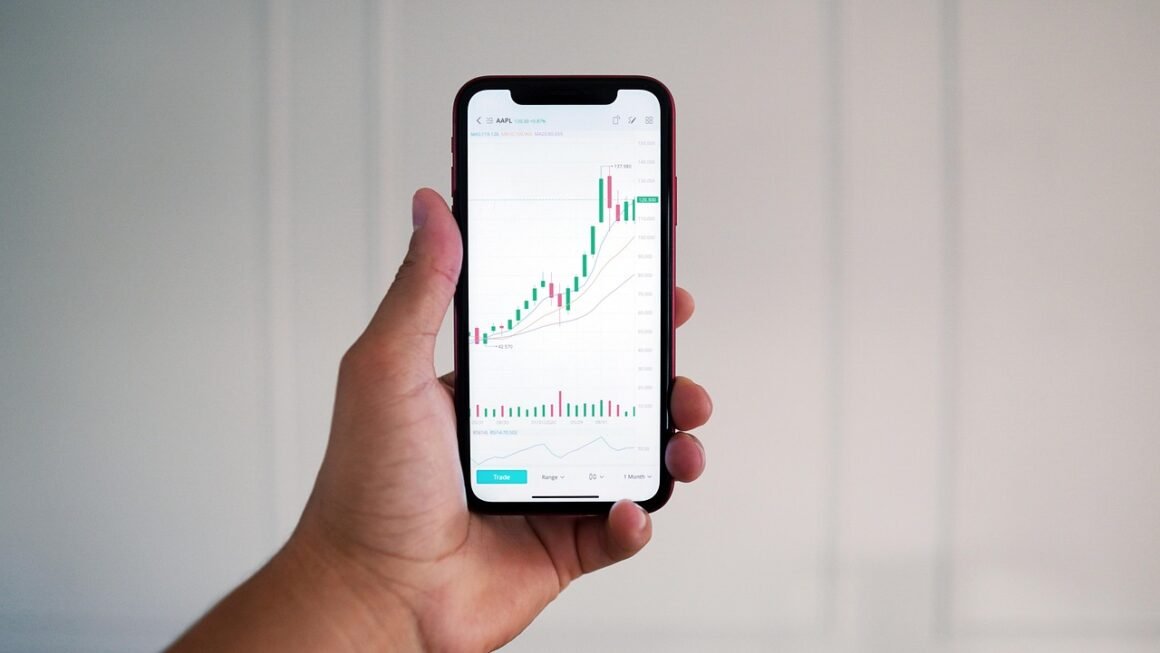
In the dynamic world of finance, few concepts evoke as much apprehension and opportunity as volatility. It’s the silent force that dictates the rhythm of asset prices, transforming calm markets into turbulent seas, and back again. While often associated with heightened risk and uncertainty, a deeper understanding of volatility reveals it to be a fundamental, even essential, characteristic of healthy financial ecosystems. For investors, traders, and businesses alike, mastering the nuances of market volatility isn’t just about survival; it’s about identifying patterns, managing exposure, and ultimately, capitalizing on the ever-present ebb and flow to achieve long-term success.
Understanding Volatility: More Than Just “Risk”
Volatility is often misunderstood, frequently conflated solely with danger. However, it’s a measure of price fluctuation, and while it indicates uncertainty, it also signals potential for significant movement in either direction, opening doors to both challenges and rewards.
What is Volatility?
-
Definition: At its core, volatility refers to the rate at which the price of an asset, market index, or security increases or decreases over a given period. It quantifies the magnitude of price movements, regardless of direction.
-
Types of Volatility:
- Historical Volatility: Based on past market data, calculating the standard deviation of an asset’s returns over a specific period (e.g., 30 days, 90 days). It tells us how much prices have fluctuated in the past.
- Implied Volatility: Derived from the prices of options contracts, it represents the market’s expectation of future volatility for an asset. It’s forward-looking and reflects investor sentiment about upcoming price swings.
How is Volatility Measured?
-
Standard Deviation: The most common statistical measure. A higher standard deviation indicates greater price dispersion around the average, meaning higher volatility.
-
The VIX Index (Volatility Index): Often called the “fear gauge,” the VIX measures the market’s expectation of 30-day forward looking volatility based on S&P 500 index option prices. A high VIX suggests investor anxiety and expected large price swings.
-
Beta: While not a direct measure of volatility for a single asset, beta measures a stock’s volatility in relation to the overall market (e.g., S&P 500). A beta of 1 means the stock moves with the market; above 1, it’s more volatile; below 1, less volatile.
Volatility vs. Risk: A Nuanced View
-
Volatility as a Component of Risk: High volatility certainly contributes to investment risk, particularly for short-term investors or those with limited capital. Larger price swings mean a greater chance of significant losses if positions move against you.
-
Volatility as an Opportunity: For long-term investors or those employing specific strategies, volatility can present opportunities. Downturns can be chances to buy quality assets at lower prices, while upturns can yield substantial gains. The key is understanding its nature rather than fearing it outright.
-
Actionable Takeaway: Don’t react emotionally to volatility. Instead, understand its source and how it relates to your investment horizon and risk tolerance. A volatile stock might be risky for a day trader but an attractive entry point for a value investor.
The Driving Forces Behind Market Volatility
Understanding what causes market volatility is crucial for anticipating potential shifts and making informed decisions. It’s a complex interplay of economic, political, and psychological factors.
Economic Indicators and Data Releases
-
Inflation and Interest Rates: Unexpected spikes in inflation or changes in central bank interest rate policies (e.g., Federal Reserve rate hikes) can send shockwaves through markets, as they impact corporate earnings, consumer spending, and the cost of borrowing.
-
GDP and Employment Reports: Weak GDP growth or higher-than-expected unemployment figures often signal an economic slowdown, leading to investor apprehension and increased market volatility. Conversely, strong data can fuel optimism.
-
Example: A surprise announcement that inflation is higher than anticipated might lead to a sharp sell-off in bond markets and a decline in growth stocks, as investors anticipate higher interest rates and reduced corporate profitability.
Geopolitical Events and Global Shocks
-
Wars and Political Instability: Regional conflicts, trade wars, or significant political upheavals (e.g., coups, major elections) can create immense uncertainty, disrupting supply chains, energy prices, and international relations, thereby driving up volatility across asset classes.
-
Natural Disasters and Pandemics: Large-scale events like the COVID-19 pandemic, devastating hurricanes, or widespread droughts can have profound economic impacts, affecting specific industries or global supply chains, leading to widespread market panic.
-
Actionable Takeaway: Stay informed about global affairs but avoid making impulsive decisions based on headlines. Assess the long-term implications rather than reacting to short-term fear.
Corporate Earnings and Sector-Specific News
-
Company Earnings Reports: When a major company announces earnings that miss or exceed analyst expectations, its stock price can move dramatically. If it’s a bellwether company or an entire sector faces similar issues, this can trigger broader market movements.
-
Industry Trends and Regulatory Changes: Technological breakthroughs, shifts in consumer preferences, or new government regulations impacting specific sectors (e.g., tech, pharmaceuticals) can create significant volatility for companies within those industries.
Investor Sentiment and Behavioral Factors
-
Fear and Greed: Human emotions play a huge role. During periods of euphoria (greed), asset prices can be driven unsustainably high. Conversely, during panics (fear), selling can become indiscriminate, pushing prices below their intrinsic value.
-
Herd Mentality: Investors often follow the crowd, buying into rising assets and selling falling ones, amplifying trends and contributing to rapid price swings. This can create irrational market movements that detach from fundamentals.
-
Actionable Takeaway: Be aware of your own biases and resist the urge to follow the herd. Stick to your investment plan and fundamental analysis, especially when emotions run high in the market.
Navigating Volatility: Strategies for Investors
Successfully managing volatility is paramount for long-term investment success. It requires discipline, strategic planning, and a deep understanding of your own financial goals and risk tolerance.
Diversification: Your First Line of Defense
-
Asset Allocation: Spreading your investments across different asset classes (e.g., stocks, bonds, real estate, commodities) reduces the impact of any single asset class performing poorly. When one asset struggles, another might thrive.
-
Geographic and Sector Diversification: Don’t put all your eggs in one country’s economy or one industry. Investing globally and across various sectors (e.g., technology, healthcare, consumer staples) helps cushion blows from localized downturns.
-
Example: During a stock market downturn, a portfolio heavily weighted in bonds might provide stability, while real estate investments could offer uncorrelated returns over the long term.
Long-Term Perspective: Time as an Ally
-
Dollar-Cost Averaging: Invest a fixed amount of money regularly, regardless of market conditions. This strategy means you buy more shares when prices are low and fewer when prices are high, averaging out your purchase price over time and reducing the impact of short-term volatility.
-
Riding Out Short-Term Swings: For most investors with long time horizons (e.g., retirement planning), temporary market dips are often just noise. Focusing on your long-term goals and resisting the urge to sell during downturns is crucial, as historically, markets tend to recover and reach new highs.
-
Actionable Takeaway: Define your investment horizon. For long-term goals, embrace volatility as part of the journey and focus on consistent contributions rather than timing the market.
Hedging Techniques and Risk Management
-
Stop-Loss Orders: For active traders, a stop-loss order automatically sells a security if its price falls to a predetermined level, limiting potential losses.
-
Options Contracts: Experienced investors can use options (e.g., buying put options) to hedge against potential declines in their stock holdings, effectively insuring their portfolio against significant drops.
-
Adjusting Position Sizes: During periods of high volatility, consider reducing the size of your new investments or trades to limit your exposure to sudden price swings.
Rebalancing Your Portfolio Strategically
-
Maintaining Target Allocations: Periodically review your portfolio and adjust it back to your desired asset allocation. If stocks have performed exceptionally well, you might sell some to buy more bonds, bringing your portfolio back into balance and taking profits.
-
Rebalancing During Volatility: Market downturns can present opportunities to buy assets that have fallen below their target allocation at a lower price, reinforcing the “buy low” principle.
-
Actionable Takeaway: Set a schedule for portfolio review (e.g., quarterly, semi-annually) and stick to it. Rebalancing helps you systematically manage risk and capitalize on market movements without emotional decision-making.
Opportunities Within Volatility: Turning Risk into Reward
While often perceived as a threat, volatility also creates distinct opportunities for savvy investors who are prepared to act strategically and without emotion. It’s during these periods of market dislocation that significant wealth can be built.
Buying Low: The “Sale” on Assets
-
Value Investing During Downturns: Periods of high volatility often lead to indiscriminate selling, where even fundamentally strong companies see their stock prices plummet. This presents an opportunity for value investors to acquire quality assets at significant discounts.
-
Example: During a bear market, a blue-chip company with a strong balance sheet and consistent earnings might trade at a price far below its intrinsic value. An investor who buys during this “sale” can reap substantial rewards when the market eventually recovers.
Short-Selling and Derivatives (Advanced)
-
Profiting from Price Declines: For sophisticated investors and traders, short-selling allows them to profit when asset prices fall. This involves borrowing and selling shares, hoping to buy them back later at a lower price.
-
Options and Futures: Derivatives like put options or futures contracts can be used to bet on market downturns or specific asset price declines, offering leverage but also amplified risk.
Increased Trading Opportunities for Active Traders
-
Swing Trading: High volatility creates wider price ranges, allowing swing traders to profit from short-to-medium-term price movements (swings) within a trend.
-
Day Trading: For those with the expertise and risk tolerance, volatility provides frequent entry and exit points within a single trading day, although this comes with very high risk.
Identifying Strong Fundamentals
-
Separating Wheat from Chaff: Volatile markets often expose weaknesses in companies with poor fundamentals, while resilient businesses with strong balance sheets and sustainable business models tend to weather the storm better. Volatility helps investors differentiate true quality.
-
Focus on Long-Term Growth: Despite short-term price swings, companies innovating and solving real-world problems continue their growth trajectories. Volatility can allow investors to buy into these future leaders at more attractive valuations.
-
Actionable Takeaway: Approach market downturns not with fear, but with a checklist. Look for companies you’ve always admired but found too expensive. Use fundamental analysis to ensure you’re buying quality, not just cheapness.
Conclusion
Volatility is an inherent, inescapable feature of financial markets, as old as commerce itself. Far from being solely a harbinger of doom, it is the market’s natural rhythm, driven by an intricate dance of economic data, geopolitical shifts, corporate performance, and human psychology. While it undeniably presents challenges and can test an investor’s resolve, understanding, respecting, and strategically navigating volatility is the hallmark of a successful long-term financial journey.
By embracing strategies like robust diversification, maintaining a long-term perspective, consistently rebalancing portfolios, and recognizing market downturns as potential opportunities to acquire quality assets, investors can transform perceived risks into avenues for significant growth. The key lies not in attempting to eliminate volatility, which is impossible, but in developing the resilience and discipline to thrive within its ebb and flow. Ultimately, those who master volatility don’t just survive market turbulence; they leverage it to build stronger, more prosperous financial futures.