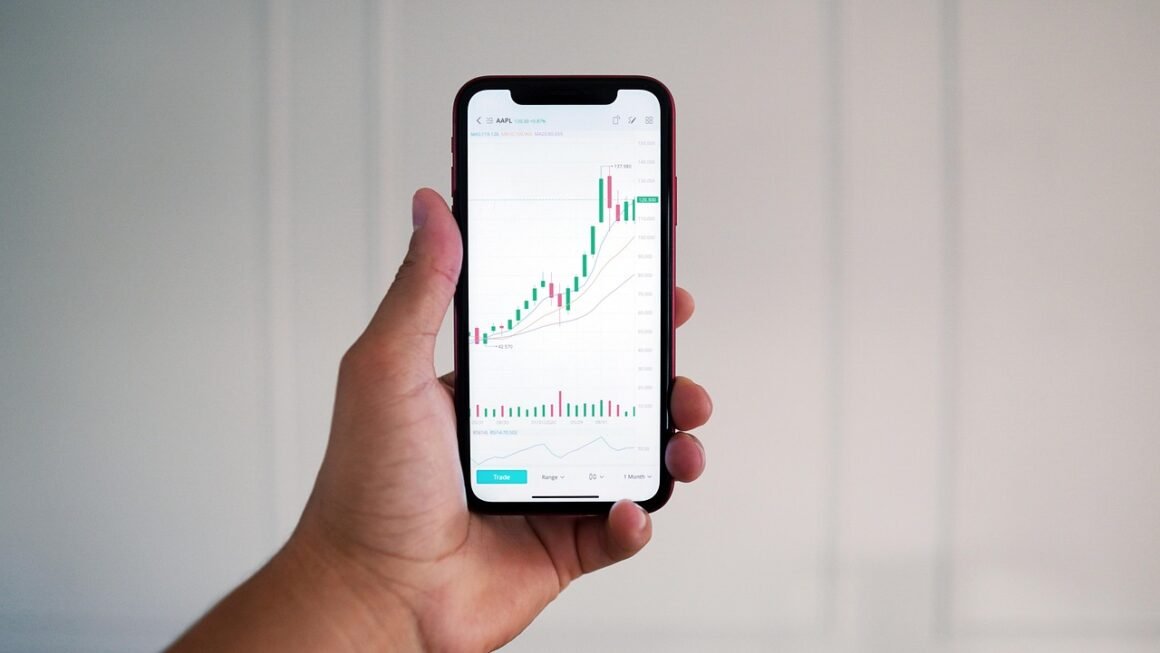
The allure of the financial markets, with their rapid movements and potential for quick gains, has captivated many. Among the most dynamic and challenging forms of market participation is day trading – an endeavor where individuals seek to profit from intra-day price fluctuations, often closing all positions before the market concludes. This fast-paced world demands sharp analytical skills, robust risk management, and an unwavering discipline. While it promises excitement and the possibility of substantial returns, it also comes with significant risks. For those considering this path, understanding its intricacies is paramount. This comprehensive guide will demystify day trading, offering insights into its mechanics, strategies, and the disciplined approach required for success.
What is Day Trading? Unpacking the Fundamentals
Day trading is a speculative style of trading where financial instruments are bought and sold within the same trading day. The primary goal is to capitalize on small price movements in highly liquid stocks, currencies, commodities, or other assets, often using significant leverage.
Defining Day Trading
- Short-term Horizon: Unlike long-term investing, which focuses on holding assets for months or years, day trading involves opening and closing positions within a single trading session. All trades are typically closed before the market closes to avoid overnight risk.
- Focus on Volatility: Day traders thrive on market volatility, which creates the price swings necessary for short-term profits.
- Leverage Use: Many day traders utilize leverage provided by brokers, which allows them to control larger positions with a relatively small amount of capital. While this amplifies potential profits, it also significantly magnifies potential losses.
Day Trading vs. Long-Term Investing
While both involve participating in financial markets, their philosophies and approaches differ significantly:
- Timeframe: Day trading is about minutes to hours; investing is about months to years.
- Analysis Focus: Day traders primarily use technical analysis (chart patterns, indicators), while investors lean on fundamental analysis (company financials, economic outlook).
- Risk Profile: Day trading carries higher inherent short-term risk due to rapid market movements and leverage. Investing typically has lower short-term volatility risk, though long-term market risks persist.
- Goal: Day traders aim for frequent, small profits; investors aim for long-term capital appreciation and compounding returns.
Actionable Takeaway: Understand that day trading is a profession requiring full attention and specific skills, distinct from the patience-driven approach of long-term investing. It’s not a ‘get rich quick’ scheme.
The Allure and Risks: Is Day Trading for You?
Day trading offers a unique set of attractions but also poses considerable challenges and risks. It’s crucial to weigh both sides before diving in.
Potential Benefits and Attractions
- High Profit Potential: Successful day traders can generate significant returns, sometimes even daily, by capitalizing on market movements.
- Flexibility and Independence: Traders often work from anywhere with an internet connection, setting their own hours and being their own boss.
- Immediate Feedback: The results of your decisions are often apparent within minutes or hours, allowing for rapid learning and adaptation.
- No Overnight Risk: Closing positions before market close eliminates exposure to major news or events that occur when markets are shut.
Example: A trader might identify a stock like TSLA or NVDA experiencing high intra-day volatility due to a news event. By correctly predicting a short-term price surge based on technical indicators, they could enter a position, profit from a quick 2-3% move, and exit within an hour, potentially turning a substantial profit on leveraged capital.
Significant Risks and Challenges
Despite its appeal, day trading is notoriously difficult, with a high failure rate. Statistics often suggest that 70-90% of day traders lose money.
- Substantial Capital Loss: The primary risk is losing your entire trading capital, often quickly, especially when using leverage.
- High Stress and Emotional Toll: The fast pace and constant pressure of market fluctuations can lead to significant stress, impacting decision-making.
- Time and Effort Commitment: Successful day trading is not passive income; it demands full-time dedication to research, monitoring, and execution.
- Brokerage Costs: Frequent trading incurs higher commissions, fees, and sometimes spread costs, which can eat into profits.
- Market Volatility: While essential for opportunities, unexpected market reversals can wipe out accounts quickly.
- Pattern Day Trader (PDT) Rule: In the US, traders with less than $25,000 in their brokerage account are restricted from making more than three day trades in a rolling five-business-day period. This can limit strategy execution for smaller accounts.
Actionable Takeaway: Honestly assess your risk tolerance, capital available, and emotional discipline. Day trading is not for the faint of heart or those who cannot afford to lose their trading capital.
Essential Day Trading Strategies and Tools
To navigate the complex world of day trading, traders employ various strategies and rely on sophisticated tools for analysis and execution.
Popular Day Trading Strategies
Successful day traders often specialize in one or two strategies that align with their personality and market conditions.
- Scalping: This strategy involves making numerous trades throughout the day to profit from tiny price changes. Scalpers aim to open and close positions within minutes, sometimes even seconds, accumulating small gains that add up over time.
- Momentum Trading: Traders identify stocks or assets that are moving strongly in one direction due to news, volume, or technical breakouts. They jump on the trend, riding it for a short period, and exit when momentum shows signs of fading.
- Range Trading: This involves identifying assets that are trading within a defined price range (support and resistance levels). Traders buy near support and sell near resistance, or vice versa, anticipating the price will stay within these bounds.
- Breakout Trading: Similar to momentum, breakout traders look for prices to move decisively above resistance or below support levels, signaling the start of a new trend. They enter trades as the price “breaks out” of its established range.
- Reversal Trading: This contrarian strategy attempts to identify when a trend is exhausting itself and is about to reverse. It’s riskier but can offer large rewards if timed correctly.
Key Tools for Day Traders
Effective day trading requires reliable technology and analytical resources.
- High-Speed Internet Connection: Crucial for real-time data feeds and swift order execution.
- Robust Trading Platform: A platform offering advanced charting, real-time data, fast order entry, and customizable indicators (e.g., Thinkorswim, Interactive Brokers TWS, NinjaTrader).
- Charting Software: Tools like TradingView or the charts built into brokerage platforms are essential for technical analysis, allowing traders to identify patterns, support/resistance, and trend lines.
- Real-Time News Feed: Staying updated on economic announcements, company news, and geopolitical events is vital for momentum and news-based trading.
- Multiple Monitors: Many traders use several screens to display charts, order books, news feeds, and their trading platform simultaneously.
Example: A momentum trader might use a 1-minute chart to identify a strong uptrend in a stock like XYZ after a positive earnings report. They would use a Volume Weighted Average Price (VWAP) indicator and moving averages to confirm the trend’s strength, entering the trade, and then monitoring the price action for signs of weakness or reversal to exit.
Actionable Takeaway: Choose a strategy that resonates with your analytical style and stick with it. Master your chosen tools; they are extensions of your trading mind.
Mastering Risk Management: The Trader’s Lifeline
While strategy helps find opportunities, risk management is the bedrock of long-term survival in day trading. It’s not about avoiding losses entirely, but about controlling them.
The Paramount Importance of Risk Management
Without proper risk management, even the most profitable strategy can lead to account depletion during periods of drawdown or unexpected market events. Many professional traders will tell you that risk management is more important than the entry signal itself.
- Capital Preservation: The primary goal is to protect your trading capital so you can continue to trade another day.
- Emotional Control: Defined risk parameters help prevent emotional decisions that can arise from fear or greed.
- Consistency: By limiting losses per trade, you ensure that winning trades can consistently outpace losing ones.
Key Risk Management Techniques
Implement these practices diligently to safeguard your trading account.
- Define Risk Per Trade: Never risk more than a small percentage of your total trading capital on any single trade (e.g., 0.5% to 2%). If you have a $10,000 account, a 1% risk means you only risk $100 per trade.
- Utilize Stop-Loss Orders: A stop-loss order automatically closes your position if the price moves against you beyond a predefined point, limiting your downside. This is non-negotiable for day traders.
- Position Sizing: Calculate your position size based on your stop-loss and your defined risk per trade. For a $100 risk and a stop-loss 10 cents away, you can trade 1000 shares ($100 / $0.10 = 1000).
- Set Daily Loss Limits: Define a maximum amount you are willing to lose in a single day. If you hit this limit, stop trading for the day, regardless of potential opportunities.
- Avoid Over-Leveraging: While leverage can boost returns, excessive leverage amplifies losses dramatically. Use it cautiously and understand its implications.
- Trading Journal: Keep a detailed record of every trade, including entry/exit points, reasons for the trade, emotions, and lessons learned. This is invaluable for identifying patterns and improving.
Example: A trader with a $20,000 account decides to risk 1% per trade, meaning $200. If they enter a long trade on stock ABC at $50, and their technical analysis suggests a stop-loss at $49.75 (a $0.25 risk per share), they would buy 800 shares ($200 / $0.25 = 800 shares). If the trade goes south, their loss is capped at $200.
Actionable Takeaway: Prioritize risk management above all else. A winning strategy without strict risk controls is a recipe for disaster. Always know your maximum loss before entering a trade.
Getting Started: A Step-by-Step Guide for Aspiring Day Traders
Embarking on the day trading journey requires preparation, education, and a disciplined approach. Here’s how to begin.
1. Education and Learning
Before risking real capital, invest in your knowledge.
- Books and Courses: Read reputable books on technical analysis, market psychology, and day trading strategies. Consider online courses from established educators, but be wary of “guaranteed success” promises.
- Market Fundamentals: Understand how markets work, common terminology, order types, and the impact of economic news.
- Technical Analysis Mastery: Learn to read charts, understand indicators (e.g., moving averages, RSI, MACD), identify patterns (e.g., flags, wedges, head and shoulders), and interpret volume.
2. Practice with a Demo Account
A paper trading or demo account is a simulation of real trading using virtual money. This is a critical step.
- Risk-Free Practice: Test strategies without risking actual capital.
- Platform Familiarity: Get comfortable with your chosen brokerage platform’s features, order entry, and charting tools.
- Strategy Refinement: Use the demo account to hone your entry and exit points, practice risk management, and develop consistency. Treat it as real money to cultivate proper habits.
3. Choose a Reputable Brokerage Firm
Your broker is your gateway to the market; choose wisely.
- Regulation: Ensure the broker is regulated by relevant authorities (e.g., FINRA/SIPC in the US, FCA in the UK).
- Commissions and Fees: Compare costs. Some brokers offer commission-free stock trading, but check for other fees (e.g., data subscriptions, inactivity fees).
- Trading Platform: Evaluate the platform’s features, speed, stability, and ease of use.
- Customer Support: Good support is essential for resolving issues quickly.
- Minimum Deposit: Be aware of minimum account requirements, especially for avoiding the PDT rule if applicable.
4. Develop a Comprehensive Trading Plan
A trading plan is your roadmap; it outlines your rules and procedures for every aspect of your trading.
- Assets to Trade: What markets will you focus on (stocks, forex, futures)?
- Strategies: Which specific strategies will you employ (scalping, momentum, etc.)? Define your entry and exit rules clearly.
- Risk Management Rules: Specify your risk per trade, daily loss limit, and how you’ll use stop-losses.
- Capital Allocation: How much capital will you allocate to trading?
- Trading Schedule: When will you trade? What times are most conducive to your chosen strategy?
- Pre-Market Routine: How will you prepare each day (news review, scanning for opportunities)?
- Post-Market Analysis: How will you review your trades and update your journal?
Example: An aspiring forex day trader might spend 3 months studying technical analysis and currency pairs, then 3 months paper trading on a platform like MetaTrader 5. Once consistently profitable on demo, they’d open a live account with a regulated broker, starting with a small amount of capital and strictly adhering to their pre-defined trading plan, which specifies trading only EUR/USD during the London/New York overlap, risking no more than 0.5% per trade with a 1:2 risk/reward ratio.
Actionable Takeaway: Don’t rush into live trading. Thorough education, extensive demo practice, and a well-defined trading plan are your best assets for a sustainable start.
Conclusion
Day trading is a challenging yet potentially rewarding path in the financial markets, demanding a unique blend of analytical skill, emotional resilience, and unwavering discipline. It offers the enticing prospect of financial independence and direct control over one’s income, but it comes with significant risks, the primary one being the potential for substantial capital loss. Success in this arena is not about luck, but about diligent preparation, continuous learning, and, most importantly, stringent risk management.
For those willing to put in the hard work, master their chosen strategies, and adhere to a well-defined trading plan, day trading can indeed be a viable profession. However, it requires approaching the market with respect, understanding that losses are part of the game, and continuously striving for improvement. Start with education, practice extensively with a demo account, choose your tools wisely, and always prioritize the preservation of your capital. By doing so, you can build a solid foundation for navigating the dynamic world of day trading and increase your chances of long-term success.