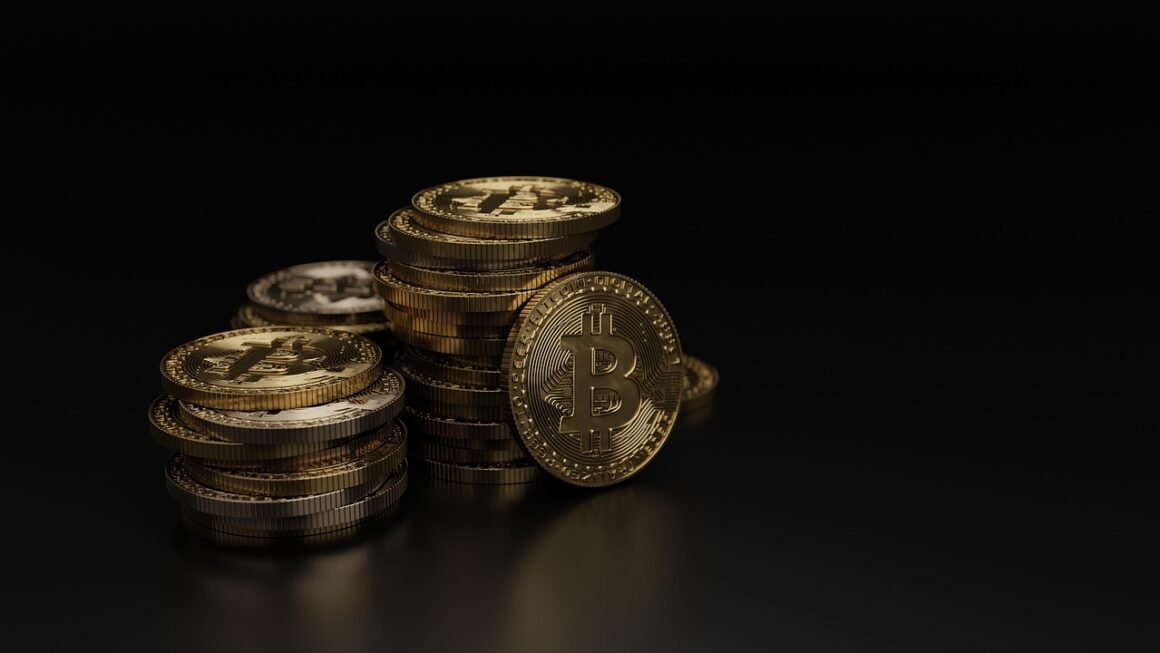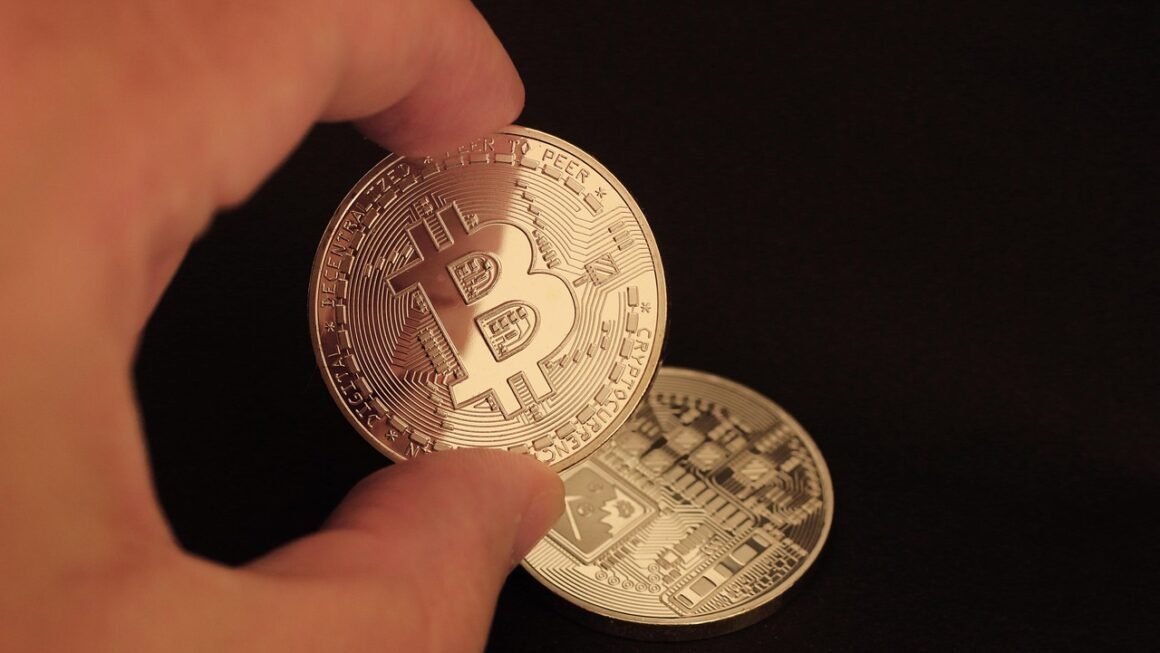
In a world increasingly driven by digital innovation, one asset has consistently captured headlines, sparked debates, and revolutionized the concept of money: Bitcoin. Far more than just a digital coin, Bitcoin represents a paradigm shift – a decentralized, peer-to-peer electronic cash system designed to operate without the need for traditional intermediaries like banks or governments. Since its mysterious inception in 2009, Bitcoin has grown from an obscure experiment into a global phenomenon, challenging conventional financial systems and opening doors to a new era of digital finance. Whether you’re a seasoned investor, a curious newcomer, or simply looking to understand the forces shaping our economic future, delving into Bitcoin is an essential journey.
What is Bitcoin? The Digital Gold Standard
At its core, Bitcoin is a form of digital currency, often referred to as a cryptocurrency, that can be sent from one user to another on the peer-to-peer Bitcoin network without the need for intermediaries. It was created by an anonymous entity known as Satoshi Nakamoto and introduced to the world through a whitepaper titled “Bitcoin: A Peer-to-Peer Electronic Cash System.”
The Genesis of a Revolution
- Satoshi Nakamoto: The enigmatic creator(s) who released Bitcoin’s whitepaper in October 2008 and launched its network in January 2009. Their identity remains one of the greatest mysteries of the digital age.
- Decentralization: Unlike traditional currencies controlled by central banks, Bitcoin is decentralized. This means no single entity has control over the network, making it resistant to censorship and manipulation.
- Limited Supply: A foundational principle of Bitcoin is its finite supply. Only 21 million Bitcoins will ever be mined, a scarcity designed to combat inflation and give it properties akin to digital gold.
Actionable Takeaway: Understand that Bitcoin isn’t just a digital version of cash; it’s a fundamentally different monetary system built on principles of scarcity, transparency, and decentralization, challenging traditional financial structures.
How Does Bitcoin Work? Unpacking the Blockchain
The magic behind Bitcoin lies in its underlying technology: the blockchain. Imagine a public ledger that records every single Bitcoin transaction in a secure, immutable, and transparent way. That’s essentially what the blockchain is.
The Mechanics of the Network
- Transactions: When you send Bitcoin, the transaction is broadcast to the network. It includes your public key (address), the recipient’s public key, and the amount of Bitcoin.
- Blocks: These individual transactions are then grouped together into “blocks.” Each block contains a timestamp, a reference to the previous block (creating a chain), and a list of validated transactions.
- Mining and Proof-of-Work: Special computers called “miners” compete to solve complex cryptographic puzzles to add new blocks to the blockchain. This process is called “mining,” and the method used to validate transactions and create new blocks is known as Proof-of-Work (PoW). The first miner to solve the puzzle adds the new block and is rewarded with newly minted Bitcoin and transaction fees.
- Cryptographic Security: Every transaction and block is secured using advanced cryptography, making it extremely difficult to tamper with or forge. Once a transaction is recorded on the blockchain, it is virtually irreversible.
Practical Example: Let’s say Alice wants to send 0.5 BTC to Bob.
- Alice initiates the transaction from her Bitcoin wallet.
- The transaction is broadcast to the global Bitcoin network.
- Miners verify that Alice has enough Bitcoin and that the transaction is legitimate.
- A miner solves the cryptographic puzzle and adds Alice’s transaction (along with others) to a new block.
- This new block is added to the blockchain, and Alice’s 0.5 BTC is now officially transferred to Bob’s address.
Actionable Takeaway: The blockchain ensures that all Bitcoin transactions are transparent, secure, and irreversible, giving users confidence in the integrity of the network without needing a central authority.
The Benefits and Risks of Investing in Bitcoin
Bitcoin’s journey has been marked by exhilarating highs and dramatic lows, making it a compelling, yet complex, asset for investors. Understanding both its advantages and disadvantages is crucial for anyone considering an allocation to this digital currency.
Benefits of Bitcoin Investment
- Decentralization & Censorship Resistance: Bitcoin transactions cannot be reversed or blocked by third parties, offering unparalleled financial freedom.
- Global Accessibility: It can be sent and received anywhere in the world with internet access, bypassing traditional banking hours and international transfer delays.
- Potential for High Returns: Historically, Bitcoin has shown significant price appreciation, making early investors wealthy. However, past performance is not indicative of future results.
- Store of Value (“Digital Gold”): Due to its limited supply and decentralized nature, many view Bitcoin as a hedge against inflation and economic uncertainty, much like gold.
- Transparency: While user identities are pseudonymous, every transaction is publicly recorded on the blockchain, fostering a high degree of transparency.
Risks of Bitcoin Investment
- Extreme Price Volatility: Bitcoin’s price can fluctuate wildly in short periods, leading to substantial gains or losses. It’s not uncommon for Bitcoin to see 10-20% price swings in a single day.
- Regulatory Uncertainty: Governments globally are still grappling with how to regulate cryptocurrencies, and sudden policy changes could impact Bitcoin’s value and usability.
- Security Concerns: While the blockchain itself is highly secure, individual investors face risks from hacks, phishing scams, and loss of private keys if proper security measures aren’t followed.
- Scalability Limitations: The Bitcoin network processes fewer transactions per second than traditional payment systems, though solutions like the Lightning Network aim to address this.
Actionable Takeaway: Approach Bitcoin investment with a clear understanding of its high-risk, high-reward profile. Diversify your portfolio and never invest more than you can afford to lose.
How to Acquire and Secure Your Bitcoin
Getting started with Bitcoin involves two primary steps: acquiring the currency and then securely storing it. Navigating this landscape requires careful consideration of various platforms and security practices.
Buying Bitcoin: Your First Steps
There are several popular methods to purchase Bitcoin:
- Cryptocurrency Exchanges: These are online platforms where you can buy and sell Bitcoin using fiat currency (like USD, EUR). Popular examples include Coinbase, Binance, Kraken, and Gemini. They typically require identity verification (KYC).
- Peer-to-Peer (P2P) Platforms: Websites like Paxful or LocalBitcoins allow you to buy Bitcoin directly from other individuals, often with a wider range of payment options.
- Bitcoin ATMs: Located in various cities globally, Bitcoin ATMs allow you to buy Bitcoin with cash, typically by scanning a QR code from your wallet.
Practical Example: To buy Bitcoin on Coinbase:
- Create an account and complete identity verification (KYC).
- Link a payment method (bank account, debit card).
- Navigate to the “Buy/Sell” section, select Bitcoin, enter the desired amount, and confirm your purchase.
Storing Bitcoin: The Importance of Wallets
Once you own Bitcoin, you need a secure place to store it. This “place” is a cryptocurrency wallet, which doesn’t actually hold your Bitcoin, but rather the private keys that give you access to spend your Bitcoin on the blockchain.
- Hot Wallets (Online/Software Wallets):
- Exchange Wallets: Bitcoin stored directly on the exchange where you bought it. Convenient but less secure as you don’t control the private keys (e.g., leaving cash at a bank).
- Mobile Wallets: Apps for smartphones (e.g., Trust Wallet, Exodus) that offer a good balance of security and convenience for everyday use.
- Desktop Wallets: Software installed on your computer (e.g., Electrum, Exodus) that provide more control.
- Cold Wallets (Offline Wallets):
- Hardware Wallets: Physical devices (e.g., Ledger Nano S/X, Trezor) that store your private keys offline, making them highly resistant to online hacks. This is generally considered the most secure option for significant holdings.
- Paper Wallets: Printing your public and private keys on a piece of paper. While offline, they are vulnerable to physical damage or loss.
Practical Tip: For any substantial amount of Bitcoin, invest in a hardware wallet. When setting it up, always write down your recovery seed phrase (a series of words) and store it securely offline, away from your device. This phrase is the ultimate backup for your funds.
Actionable Takeaway: Choose a reputable exchange for purchasing and prioritize security for storage. For long-term holdings, a hardware wallet is highly recommended to protect your private keys and ultimately, your Bitcoin.
Bitcoin’s Impact and Future Outlook
Bitcoin’s influence extends far beyond mere investment; it’s a driving force in financial innovation, technology, and even global politics. Its trajectory suggests a continued evolution and integration into various facets of our lives.
Transforming Finance and Beyond
- Financial Inclusion: Bitcoin provides banking services to the unbanked and underbanked populations worldwide, particularly in regions with unstable traditional financial systems.
- Disrupting Traditional Finance: It challenges the dominance of banks and payment processors by offering a more efficient, permissionless, and transparent alternative for value transfer.
- Institutional Adoption: Major corporations and institutional investors are increasingly adding Bitcoin to their balance sheets and offering crypto-related services, signaling growing mainstream acceptance.
- Technological Innovation: The blockchain technology pioneered by Bitcoin has inspired countless other projects and applications across various industries, from supply chain management to digital identity.
Addressing Challenges and Evolving
- Environmental Concerns: The energy consumption of Bitcoin’s Proof-of-Work mining is a significant concern. However, ongoing efforts are being made to transition to renewable energy sources for mining operations.
- Scalability Solutions: To handle a higher volume of transactions, solutions like the Lightning Network are being developed. The Lightning Network enables faster and cheaper off-chain transactions, settling the net result on the main Bitcoin blockchain.
- Regulatory Landscape: While still evolving, clear regulatory frameworks are likely to emerge, providing greater certainty for investors and businesses. This could pave the way for wider adoption and financial product offerings.
Actionable Takeaway: Bitcoin is not static; it’s a dynamic ecosystem constantly evolving. Stay informed about technological advancements and regulatory developments to understand its long-term potential and challenges.
Conclusion
Bitcoin stands as a testament to the power of decentralized innovation, offering a glimpse into a future where individuals have greater control over their financial assets. From its humble beginnings as an obscure digital experiment, it has grown into a global asset class, a technological marvel, and a potent symbol of financial freedom. While its journey has been marked by significant volatility and ongoing debates, its core principles of scarcity, transparency, and decentralization continue to resonate deeply. Understanding Bitcoin is no longer just for tech enthusiasts or investors; it’s becoming an essential literacy for anyone navigating the rapidly changing landscape of global finance and technology. As the digital age progresses, Bitcoin’s role in shaping our economic future is undeniable, making it a subject worthy of continued exploration and careful consideration.