In an increasingly interconnected world, the way we interact, transact, and share information is constantly evolving. For decades, our digital lives were largely dictated by centralized entities – banks, tech giants, media conglomerates. However, a powerful paradigm shift has been quietly reshaping the landscape: peer to peer (P2P). This innovative model cuts out the middleman, empowering individuals to connect and exchange directly, fostering a new era of efficiency, accessibility, and autonomy across a multitude of sectors, from finance to file sharing and beyond.
Understanding Peer-to-Peer (P2P) Basics
At its core, peer-to-peer (P2P) describes a decentralized network architecture where each participant, or “peer,” has equal capabilities and can initiate and receive communications directly from any other peer. Unlike traditional client-server models where a central server holds all resources and controls interactions, a P2P network distributes resources and workload among its participants, creating a resilient and often more efficient system.
The Underlying Philosophy
- Empowerment: P2P systems are built on the principle of giving power back to individuals, allowing them to control their own data, transactions, and interactions without reliance on a centralized authority.
- Decentralization: By removing single points of control, P2P networks are inherently more resistant to censorship, failure, and manipulation. There’s no single server to attack or shut down.
- Direct Exchange: The fundamental idea is to facilitate direct interaction and exchange of value or information between two parties, bypassing intermediaries that often add cost, time, and bureaucracy.
How P2P Networks Function
In a P2P network, every connected device (a “node” or “peer”) can act as both a client and a server. When a peer requests a resource (e.g., a file, a transaction), it communicates directly with other peers that possess that resource. This creates a mesh-like network where data and services are distributed, rather than being concentrated in one central location.
- Resource Sharing: Peers contribute their own resources – storage space, bandwidth, computing power – to the network.
- Self-Organizing: P2P networks often have mechanisms for peers to discover each other and maintain connections dynamically.
- Scalability: As more peers join the network, its capacity often increases, distributing the load and improving performance.
Actionable Takeaway: Think of P2P as a community garden where everyone contributes and shares directly, rather than a single large farm that sells produce to everyone.
The Evolution of P2P Technology
The concept of peer-to-peer has roots in early computer networking, but its widespread impact began in the late 20th and early 21st centuries, accelerating rapidly with the advent of the internet.
Early Days: File Sharing & Beyond
The initial mainstream adoption of P2P technology was driven by file-sharing applications. These platforms revolutionized how digital content could be distributed, making it possible for millions to share music, movies, and software directly.
- Napster (1999): Though controversial and eventually shut down due to copyright infringement, Napster pioneered the P2P file-sharing model for music. It allowed users to share MP3s directly from their computers.
- BitTorrent (2001): This protocol dramatically improved the efficiency of large file distribution. Instead of downloading from a single source, BitTorrent breaks files into small pieces, allowing users to download different pieces from multiple peers simultaneously, and then reassemble them. This makes downloads faster and more resilient.
While often associated with copyright issues, these early P2P systems demonstrated the immense power of direct, decentralized content distribution, paving the way for legitimate uses like software updates and large dataset sharing.
P2P in the Financial Sector: Lending & Beyond
The principles of P2P found fertile ground in finance, leading to the emergence of innovative models that challenge traditional banking structures.
- Peer-to-Peer Lending (P2PL): Platforms like LendingClub and Prosper connect individual borrowers directly with individual lenders. This model often results in lower interest rates for borrowers (due to reduced overhead) and higher returns for lenders (compared to traditional savings accounts).
- Crowdfunding: While often centralized, many crowdfunding platforms like Kickstarter and GoFundMe facilitate a P2P-like exchange, allowing individuals to directly fund projects or causes initiated by other individuals or small groups.
- Microfinance: P2P principles have empowered microfinance initiatives, enabling small loans to individuals or groups who lack access to traditional banking services, often fostering economic development in underserved communities.
Blockchain and Cryptocurrencies: The P2P Revolution 2.0
Perhaps the most significant evolution of P2P technology is the advent of blockchain and cryptocurrencies, which apply P2P principles to the realm of digital value exchange without any central authority.
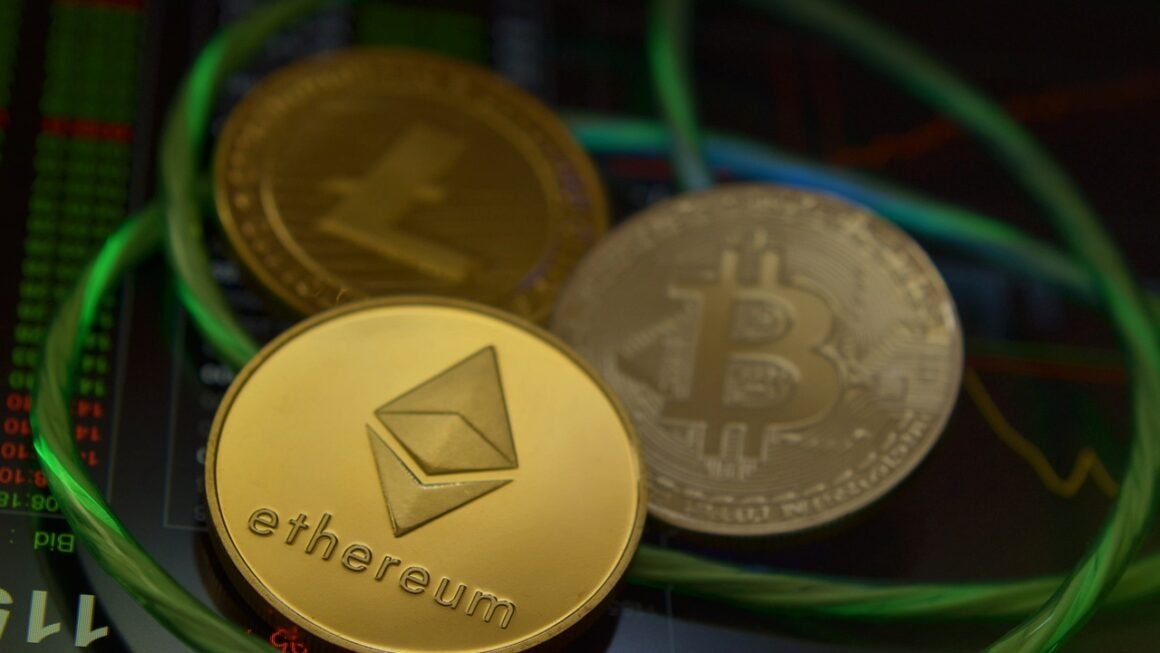
- Bitcoin (2009): Created by the anonymous Satoshi Nakamoto, Bitcoin is the quintessential example of a decentralized P2P electronic cash system. Transactions are verified and recorded on a distributed public ledger (the blockchain) by a network of nodes, eliminating the need for banks or payment processors.
- Ethereum and Smart Contracts: Ethereum extended the P2P concept beyond simple transactions, allowing for “smart contracts” – self-executing agreements whose terms are directly written into code and stored on the blockchain. This enables decentralized applications (dApps) across various industries.
- DeFi (Decentralized Finance): Built on blockchain P2P networks, DeFi platforms offer financial services like lending, borrowing, and trading without traditional intermediaries. Users interact directly with smart contracts, often leading to greater transparency and lower fees.
Actionable Takeaway: Explore how P2P lending platforms might offer better rates for your savings or loans, or research how blockchain’s P2P nature can enhance supply chain transparency or digital identity management.
Key Benefits of Peer-to-Peer Systems
The inherent architecture of P2P systems brings a multitude of advantages that are transforming various industries.
Enhanced Efficiency & Speed
By removing intermediaries, P2P systems can significantly streamline processes, leading to faster execution and reduced delays.
- Faster Transactions: In blockchain-based P2P networks, transactions can be processed and settled within minutes or seconds, compared to traditional banking systems that can take days for international transfers.
- Reduced Bureaucracy: Without the need for approval from a central authority, processes can be automated and executed directly between peers, cutting down on administrative overhead.
- Optimized Resource Use: In file-sharing, P2P allows simultaneous downloads from multiple sources, maximizing bandwidth utilization and reducing the burden on any single server.
Practical Example: Sending Bitcoin from one wallet to another across continents can be nearly instant, whereas a traditional bank wire might take 3-5 business days and involve multiple intermediary banks.
Reduced Costs & Fees
Intermediaries often charge fees for their services. P2P systems, by design, aim to minimize or eliminate these costs.
- Lower Transaction Fees: Cryptocurrencies often have lower transaction fees compared to credit card processors or international wire transfer services.
- Better Financial Terms: P2P lending platforms can offer more attractive interest rates to borrowers and higher returns to lenders by cutting out the bank’s profit margin.
- Elimination of Overhead: Running a decentralized network typically involves lower operational costs than maintaining a large centralized infrastructure with extensive staff and physical branches.
Increased Accessibility & Inclusivity
P2P models often lower barriers to entry, making services available to a wider audience.
- Financial Inclusion: P2P lending and crypto provide financial services to the “unbanked” or “underbanked” populations globally, who may lack access to traditional banking due to credit history, location, or identification requirements.
- Global Reach: Digital P2P systems transcend geographical boundaries, allowing individuals to interact and transact with anyone, anywhere in the world, with an internet connection.
- Democratization of Resources: From sharing computing power for scientific research to distributing open-source software, P2P makes resources more broadly available.
Practical Example: A small business in a developing country can receive funding from investors worldwide through a P2P lending platform, something that would be incredibly challenging through traditional banking channels.
Greater Transparency & Control
Many P2P systems, especially those built on blockchain, offer unprecedented levels of transparency and give users more direct control over their assets and data.
- Public Ledgers: Blockchain-based P2P networks maintain immutable, publicly verifiable records of all transactions, enhancing trust and auditability.
- Self-Custody: In the crypto space, users have direct control over their digital assets through private keys, rather than entrusting them to a bank or third-party custodian.
- Censorship Resistance: Without a central authority to block or censor content, information and transactions flow more freely.
Actionable Takeaway: Consider how a decentralized P2P system could improve transparency or reduce costs in your business’s supply chain or internal record-keeping. For personal finance, research how P2P lending compares to traditional banks for your next loan or investment.
Challenges and Considerations in P2P
Despite its numerous advantages, the peer-to-peer paradigm is not without its complexities and challenges, many of which are actively being addressed by ongoing innovation.
Trust and Security
In the absence of a central authority, establishing and maintaining trust among peers is paramount.
- Security Vulnerabilities: P2P networks can be susceptible to various attacks if not properly designed, such as denial-of-service attacks or Sybil attacks (where a single entity creates multiple fake identities).
- Fraud and Scams: In peer-to-peer marketplaces or lending, the risk of fraud from malicious actors exists. Robust reputation systems, escrow services, and smart contracts are vital to mitigate these risks.
- Data Integrity: Ensuring the authenticity and integrity of data shared across a decentralized network requires sophisticated cryptographic solutions, especially for sensitive information.
Practical Example: A P2P lending platform might use a combination of credit scoring algorithms, user reviews, and insurance funds to build trust and protect lenders from defaults.
Regulatory Landscape
The decentralized and global nature of P2P systems often clashes with traditional, geographically bound regulatory frameworks.
- Legal Ambiguity: Many P2P activities, especially in finance and digital assets, operate in a gray area, as existing laws were not designed for such models. This can lead to legal challenges and uncertainty.
- Consumer Protection: Regulators often struggle with how to protect consumers in P2P environments where there’s no central entity accountable for issues.
- Anti-Money Laundering (AML) and Know Your Customer (KYC): Ensuring compliance with financial regulations to prevent illicit activities is a significant challenge for P2P platforms, especially those that aim for anonymity.
Scalability and Adoption
While often touted for scalability, some P2P technologies face inherent limitations that can hinder widespread adoption.
- Transaction Throughput: Some decentralized P2P blockchains (e.g., early Bitcoin and Ethereum) have struggled with transaction speed and capacity, leading to network congestion and higher fees during peak demand.
- User Experience: P2P interfaces, especially in the early stages of new technologies like DeFi, can be complex and intimidating for average users, hindering mainstream adoption.
- Network Effects: Like any network, P2P systems benefit from a critical mass of users. Achieving this can be a challenge against established centralized alternatives.
Actionable Takeaway: When considering engaging with a P2P service, thoroughly research its security protocols, user reviews, and any regulatory compliance measures it has in place. Start with smaller transactions to build confidence.
Practical Applications and Future Trends
The peer-to-peer model is not static; it continues to evolve and find new applications, promising to further decentralize various aspects of our lives.
P2P in the Sharing Economy
While companies like Uber and Airbnb operate on a centralized platform model, they facilitate peer-to-peer services (driver to rider, host to guest). The future of the sharing economy could see truly decentralized P2P alternatives.
- Decentralized Ride-Sharing: Imagine an app where drivers and riders connect directly via a blockchain, with no company taking a commission, and payment handled by smart contracts.
- Distributed Storage: Services like Filecoin and Storj allow users to rent out their unused hard drive space to others, creating a global, decentralized storage network.
- Energy Trading: P2P energy networks enable individuals with rooftop solar panels to sell their surplus electricity directly to neighbors, bypassing traditional utility companies.
Decentralized Autonomous Organizations (DAOs)
DAOs represent the ultimate application of P2P principles to governance. These organizations are run by code and governed by their members, with decisions made collectively through P2P voting mechanisms on a blockchain.
- Community Governance: Members can vote on proposals, treasury allocation, and strategic direction, fostering truly community-driven initiatives.
- Transparent Operations: All rules and decisions are recorded on the blockchain, ensuring transparency and immutability.
The Metaverse and Web3
The emerging concepts of Web3 and the Metaverse are deeply intertwined with P2P technologies, aiming to build a more decentralized, user-owned internet.
- Digital Ownership: NFTs (Non-Fungible Tokens) on P2P blockchains allow users to truly own digital assets (art, collectibles, virtual land) in virtual worlds.
- P2P Interactions in Virtual Worlds: Users can interact directly, create, and trade within the Metaverse without a central company controlling all aspects of their experience.
- Decentralized Identity: P2P-based identity solutions could give individuals full control over their personal data and how it’s shared across the internet.
Actionable Takeaway: Look for opportunities to engage with P2P services that align with your values, whether it’s supporting open-source projects via decentralized crowdfunding or exploring new forms of digital ownership in the Web3 space. The future of the internet is increasingly P2P.
Conclusion
The journey of peer-to-peer technology, from its nascent days in file sharing to its revolutionary impact on finance and the digital economy, underscores a fundamental shift in how we approach interaction and exchange. P2P is more than just a technological architecture; it’s a philosophy that champions decentralization, individual empowerment, and direct connections. While challenges surrounding regulation, security, and scalability persist, the relentless innovation in areas like blockchain, DeFi, and Web3 continues to push the boundaries of what P2P can achieve.
Embracing the peer-to-peer paradigm means recognizing the potential for greater efficiency, reduced costs, enhanced accessibility, and unprecedented levels of transparency and control. As our digital world continues to evolve, P2P will undoubtedly remain at the forefront, shaping a future where individuals are increasingly empowered to connect, create, and transact directly, fostering a truly distributed and democratized digital ecosystem.