In a world driven by speed and interconnectedness, one fundamental concept underpins nearly every interaction, from buying a coffee to transferring billions across continents: the transaction. More than just an exchange, a transaction is a defined unit of work that ensures accuracy, integrity, and trust in a complex digital ecosystem. Whether you’re an entrepreneur managing an online store, a developer building robust applications, or simply a consumer navigating your daily life, understanding the intricate nature of transactions is paramount to success and security. Let’s delve deep into the mechanics, significance, and future of these critical operations.
The Anatomy of a Transaction: Core Concepts
At its heart, a transaction is a sequence of operations performed as a single logical unit of work. This seemingly simple definition carries profound implications for data integrity and system reliability across various domains, from financial services to database management.
What is a Transaction?
A transaction can be broadly defined based on its context:
- In Finance: An agreement or communication carried out between a buyer and a seller to exchange goods, services, or financial assets, often involving money. Examples include a bank transfer, a credit card payment, or a stock trade.
- In Databases: A logical unit of work that is treated as a single, indivisible operation. It ensures that either all operations within the unit are completed successfully (committed), or none are (rolled back), leaving the database in a consistent state.
- In Business: Any event that has a monetary impact on the financial statements of a business and can be recorded as such. This includes sales, purchases, payroll, and more.
Actionable Takeaway: Recognize that a transaction is always a complete, indivisible action, whether it’s a financial exchange or a data manipulation, ensuring system reliability.
Key Characteristics: The ACID Properties
For a transaction to be considered reliable and robust, especially in database management systems (DBMS), it must adhere to the foundational ACID properties. These principles guarantee that data remains consistent and dependable even in the face of system failures or concurrent operations.
- Atomicity: All or nothing. A transaction is treated as a single, indivisible unit. Either all its operations complete successfully and are committed, or if any part fails, the entire transaction is rolled back, leaving the system in its original state. Example: Transferring money from Account A to Account B. If the deduction from A succeeds but the addition to B fails, the entire transaction must be undone.
- Consistency: Valid state transitions. A transaction brings the database from one valid state to another. It ensures that data integrity rules (e.g., uniqueness, foreign key constraints) are maintained. Example: An inventory transaction should not allow a product quantity to go negative if the business rule states it cannot.
- Isolation: Independent execution. Concurrent transactions do not interfere with each other. Each transaction appears to execute in isolation, unaffected by other transactions happening simultaneously. Example: If two customers try to buy the last remaining item in stock at the exact same time, only one transaction should successfully claim it, without one customer seeing an incorrect stock level.
- Durability: Permanent changes. Once a transaction is committed, its changes are permanent and will survive any subsequent system failures (e.g., power outages, crashes). Example: After a successful bank deposit, the new balance must persist even if the bank’s server crashes moments later.
Actionable Takeaway: When designing or evaluating systems, ensure they explicitly support or adhere to ACID properties to guarantee data integrity and system resilience.
Types of Transactions: A Diverse Landscape
Transactions manifest in numerous forms, each with unique characteristics and processing requirements. Understanding these different types is crucial for appreciating their widespread impact.
Financial Transactions: The Core of Commerce
These are the most commonly recognized transactions, involving the exchange of monetary value. They form the backbone of global commerce and personal finance.
- E-commerce Transactions: Online purchases involving credit cards, debit cards, digital wallets (e.g., PayPal, Apple Pay). These rely heavily on secure payment processing and fraud detection.
- Banking Transactions: Deposits, withdrawals, transfers, loan payments, bill payments. These often involve robust core banking systems and adherence to strict regulatory standards.
- Investment Transactions: Buying or selling stocks, bonds, mutual funds, or other securities. These are typically executed through brokerage platforms and require rapid, reliable processing.
Practical Example: When you buy a book online, your credit card details are encrypted and sent to a payment gateway. The gateway communicates with your bank to authorize the payment. Once approved, the funds are transferred to the merchant’s account, and the order is confirmed. This entire process, though seemingly instant, involves multiple secure transactions behind the scenes.
Actionable Takeaway: For financial transactions, prioritize security measures like tokenization and multi-factor authentication, and choose payment processors with strong fraud prevention capabilities.
Database Transactions: Ensuring Data Integrity
Beyond finance, database transactions are critical for maintaining the accuracy and consistency of stored information in virtually every modern application.
- CRUD Operations: Create, Read, Update, Delete operations on data are often wrapped within transactions to ensure their integrity. For instance, updating a user’s profile might involve multiple table changes, all of which must succeed or fail together.
- Concurrent Access: Database transactions use locking and isolation levels to manage simultaneous access to the same data by multiple users or applications, preventing inconsistencies (e.g., two users trying to decrement the same inventory item).
Practical Example: Imagine an airline booking system. When a user reserves a seat, the system might: 1) Update the seat status from available to reserved, 2) Decrease the number of available seats for that flight, and 3) Create a booking record. All three steps must happen successfully within a single database transaction. If the seat update fails, the entire reservation is rolled back.
Actionable Takeaway: Developers must explicitly define transaction boundaries in their applications to protect data integrity, especially in multi-user environments.
Cryptocurrency Transactions: The Decentralized Frontier
With the rise of blockchain technology, cryptocurrency transactions introduce a new paradigm of decentralized, immutable record-keeping.
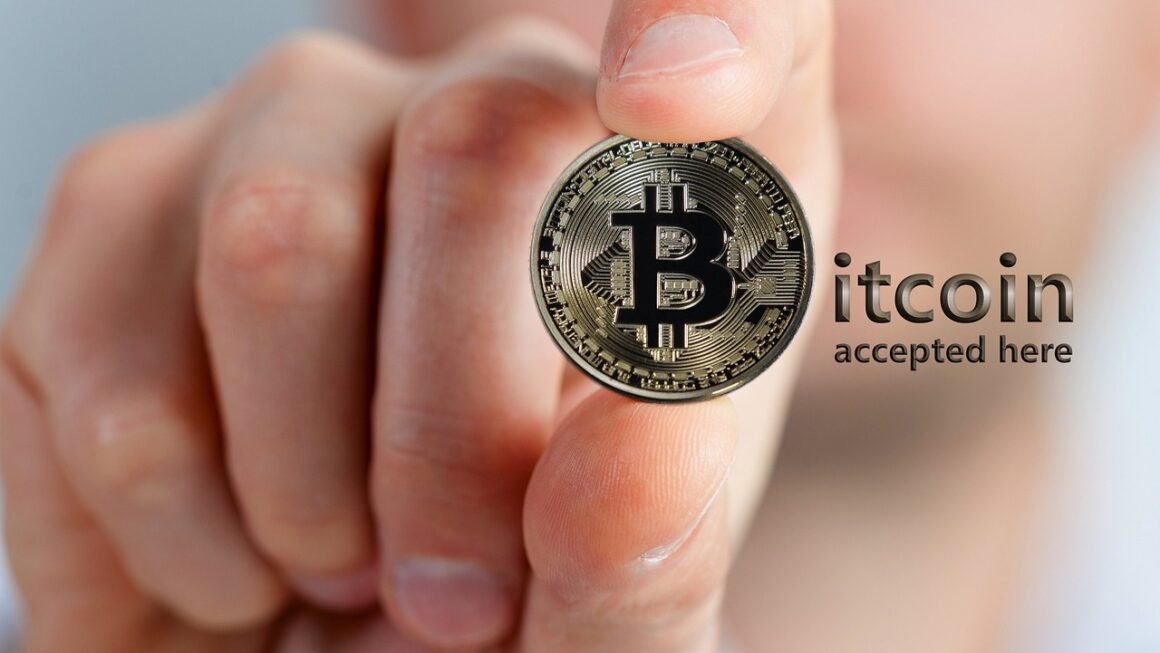
- Peer-to-Peer Transfers: Direct transfer of digital assets (e.g., Bitcoin, Ethereum) between users without intermediaries.
- Blockchain Validation: Transactions are grouped into blocks, cryptographically linked, and validated by a network of participants (miners/validators) before being added to the distributed ledger.
- Immutability: Once a transaction is recorded on the blockchain, it cannot be altered or deleted, ensuring transparency and auditability.
Practical Example: Sending Bitcoin involves creating a digital signature with your private key, broadcasting the transaction to the network, and then waiting for miners to verify it and add it to a block. This ensures that the Bitcoin is transferred securely and irreversibly without a central authority.
Actionable Takeaway: Understand the inherent immutability and public ledger aspect of blockchain transactions for applications requiring high transparency and resistance to censorship.
Transaction Processing: How It Works Behind the Scenes
The journey of a transaction from initiation to completion is a complex orchestration of systems, protocols, and security measures. Understanding this process is key to building and using reliable transaction systems.
Payment Gateways and Processors: Facilitating E-commerce
For online businesses, payment gateways and processors are indispensable intermediaries that handle the intricate details of financial transactions.
- Payment Gateways: Securely encrypt and transmit transaction data from a customer’s browser to the payment processor. They are the digital equivalent of a physical point-of-sale terminal. Examples: Stripe, Adyen, Square.
- Payment Processors: Communicate with issuing banks (customer’s bank) and acquiring banks (merchant’s bank) to authorize and settle transactions. They manage the flow of funds and data.
- Tokenization: A security measure where sensitive payment data (e.g., credit card number) is replaced with a unique, non-sensitive token, reducing the risk of data breaches.
Tip: Choose a payment gateway that offers strong encryption, supports various payment methods, has competitive fees, and provides robust fraud detection tools.
Actionable Takeaway: Implement a reputable payment gateway and processor for your e-commerce platform, leveraging features like tokenization and integrated fraud protection.
Database Management Systems: Committing and Rolling Back
In any application dealing with data, the DBMS plays a central role in managing transactions, particularly through its commit and rollback mechanisms.
- Commit: The final step in a successful transaction. It makes all changes permanent in the database.
- Rollback: The action taken when a transaction fails or is explicitly cancelled. It undoes all changes made during the transaction, restoring the database to its state before the transaction began.
- Concurrency Control: Mechanisms (like locking, multi-version concurrency control) within the DBMS that ensure multiple transactions can run simultaneously without corrupting data or interfering with each other’s results, upholding Isolation.
Practical Example: When a user updates their password, a transaction ensures that the old password hash is replaced by the new one, and any related security logs are updated. If the system crashes during this process, a rollback ensures the database reverts to the consistent state with the old password, preventing a partially updated, unusable record.
Actionable Takeaway: Developers should understand their database’s transaction isolation levels and optimize them for their application’s specific concurrency and consistency needs.
Security Protocols and Fraud Detection
The integrity and trustworthiness of transactions hinge on robust security measures designed to prevent fraud and protect sensitive data.
- Encryption: Protecting data in transit and at rest using cryptographic algorithms (e.g., SSL/TLS for web traffic, end-to-end encryption).
- Multi-Factor Authentication (MFA): Requiring two or more verification factors to confirm a user’s identity (e.g., password + SMS code) for high-value transactions.
- Fraud Detection Systems: AI/ML-powered systems that analyze transaction patterns, user behavior, and historical data to identify and flag suspicious activities in real-time. Global fraud losses from payment card fraud are projected to reach $49 billion by 2030, underscoring the need for advanced detection.
- PCI DSS Compliance: A set of security standards for organizations that handle branded credit cards from the major card schemes.
Actionable Takeaway: Implement layered security protocols including strong encryption, MFA, and invest in or integrate with advanced fraud detection systems to safeguard transactions.
Optimizing Transactions for Success: Best Practices
Effective transaction management goes beyond basic processing; it involves continuous optimization to enhance security, user experience, and operational efficiency.
Enhancing Security and Trust
Building consumer trust is paramount, and it starts with transparent and robust security practices for every digital transaction.
- Strong Encryption & Tokenization: Always use industry-standard encryption protocols (TLS 1.2+) for all data in transit. Employ tokenization to replace sensitive cardholder data with a non-sensitive equivalent.
- Regular Security Audits: Conduct frequent penetration testing and vulnerability assessments to identify and rectify potential weaknesses in your transaction systems.
- Fraud Monitoring: Utilize real-time fraud monitoring tools that leverage AI and machine learning to detect unusual transaction patterns and suspicious activities instantly.
Tip: Educate your customers about your security measures and how they contribute to safe transactions to further build confidence.
Actionable Takeaway: Prioritize security as a core component of your transaction strategy, implementing robust encryption, tokenization, and continuous fraud monitoring.
Improving User Experience (UX)
A seamless and intuitive transaction experience can significantly boost customer satisfaction and conversion rates.
- Streamlined Checkout Processes: Minimize the number of steps required to complete a purchase. Offer guest checkout options and one-click payment solutions where appropriate.
- Multiple Payment Options: Support a variety of payment methods, including credit/debit cards, digital wallets, bank transfers, and local payment methods, to cater to a broader audience.
- Clear Communication: Provide clear, real-time feedback during the transaction process (e.g., “Payment processing…”, “Transaction successful!”) and send immediate confirmation emails.
Practical Example: E-commerce giants like Amazon have perfected the “Buy Now” button, significantly reducing friction in the purchasing process by storing payment and shipping details securely.
Actionable Takeaway: Regularly review and optimize your transaction flows to minimize friction, offer diverse payment options, and provide clear communication to users.
Leveraging Data Analytics for Insights
Transaction data is a goldmine for insights, offering opportunities to improve operations, personalize experiences, and prevent fraud.
- Transaction Pattern Analysis: Identify common customer purchasing behaviors, peak transaction times, and popular products or services.
- Fraud Anomaly Detection: Use data analytics to spot deviations from normal transaction behavior, such as unusually large purchases, multiple attempts from different locations, or rapid successive transactions.
- Personalized Offers: Analyze past transaction history to offer tailored promotions or recommendations, enhancing customer loyalty and driving repeat business.
Actionable Takeaway: Implement analytics tools to monitor transaction data, not just for operational insights but also for proactive fraud prevention and personalized customer engagement.
Future Trends in Transaction Management
The world of transactions is constantly evolving, driven by technological advancements and changing consumer expectations.
- Real-time Payments: The shift towards instant settlement and availability of funds, like RTP® in the US or Faster Payments in the UK, is transforming financial transactions.
- AI and Machine Learning: Further integration into fraud detection, risk assessment, and personalized payment experiences.
- Blockchain and Digital Currencies: Beyond cryptocurrencies, central bank digital currencies (CBDCs) and enterprise blockchain solutions are set to revolutionize cross-border payments and supply chain finance.
- Biometric Authentication: Increased use of fingerprints, facial recognition, and iris scans for secure and frictionless authentication during transactions.
Actionable Takeaway: Stay informed about emerging payment technologies and trends, evaluating how real-time payments, AI, and blockchain could benefit your organization’s transaction strategies.
The Impact of Digital Transformation on Transactions
Digital transformation has profoundly reshaped how transactions occur, moving from physical exchanges to highly automated, global, and often invisible processes.
Rise of Contactless and Mobile Payments
The convenience and speed of contactless and mobile payments have rapidly accelerated, especially in response to global events and evolving consumer preferences.
- NFC (Near Field Communication): Powers tap-to-pay methods using cards or mobile devices, offering speed and security. Global contactless payment transactions are projected to reach $1.4 trillion by 2027.
- Mobile Wallets: Platforms like Apple Pay, Google Pay, and Samsung Pay consolidate payment methods and often include loyalty programs, enhancing the user experience.
- QR Code Payments: Gaining traction in various markets (e.g., China, India) for their simplicity and low infrastructure cost.
Actionable Takeaway: Embrace and integrate contactless and mobile payment options to meet modern consumer expectations and enhance payment flexibility.
Global Reach and Cross-Border Transactions
Digitalization has broken down geographical barriers, making international transactions more accessible but also more complex.
- Facilitated by Digital Platforms: E-commerce marketplaces and global payment processors (e.g., Payoneer, Wise) enable businesses to reach international customers.
- Challenges: Navigating different currencies, fluctuating exchange rates, varying regulatory frameworks, and higher transaction fees.
- Emergence of SWIFT Alternatives: New initiatives and technologies are emerging to make cross-border payments faster, cheaper, and more transparent, challenging traditional systems.
Actionable Takeaway: For global operations, research and partner with payment providers specializing in cross-border transactions to minimize costs and navigate regulatory complexities effectively.
Regulatory Compliance and KYC (Know Your Customer)
As transactions become more digital and global, the regulatory landscape has intensified, focusing on transparency and preventing illicit activities.
- AML (Anti-Money Laundering): Regulations requiring financial institutions to monitor transactions for suspicious activity indicative of money laundering.
- KYC (Know Your Customer): Processes to verify the identity of clients to assess their suitability and potential risks, crucial for onboarding new customers and monitoring ongoing relationships.
- Data Privacy Regulations: Laws like GDPR and CCPA impose strict requirements on how personal transaction data is collected, stored, and processed.
Tip: Implement robust compliance management systems and regularly train staff on the latest regulatory requirements to avoid hefty fines and reputational damage.
Actionable Takeaway: Integrate robust KYC and AML checks into your transaction onboarding and monitoring processes, ensuring strict adherence to data privacy regulations.
Conclusion
Transactions are the invisible yet indispensable threads that weave through the fabric of our digital economy, enabling everything from a simple online purchase to complex financial operations. By understanding their core principles, diverse types, underlying processing mechanisms, and best practices for optimization, businesses and individuals alike can harness their power more effectively and securely. As technology continues to evolve, the future of transactions promises even greater speed, security, and innovation, making continuous learning and adaptation essential for navigating this dynamic landscape. Embrace the future of transactions, and build a more reliable, efficient, and trustworthy digital world.