In our increasingly digital world, where information flows at lightning speed and data is paramount, how can we truly trust the authenticity and integrity of our digital assets? The answer often lies in a silent, yet incredibly powerful, guardian: timestamping. Far more than just recording the time, timestamping provides an irrefutable, unalterable record of when a digital event occurred or when a piece of data existed in a particular state. It’s the unseen force that underpins digital trust, proving origin, sequence, and integrity across countless applications. Join us as we delve into the critical role of timestamping and how it secures our digital future.
The Essence of Timestamping: What It Is and Why It Matters
At its core, timestamping is the process of securely associating a piece of data or an event with a precise moment in time. It creates a digital anchor, providing verifiable proof that data existed in a specific form at a particular time. This fundamental concept is crucial for establishing trust and order in a world of endless digital interactions.
Defining Digital Timestamping
A digital timestamp acts like a digital notary, certifying that a document, file, or transaction was created or last modified at a specific point. Unlike a simple file creation date, which can be easily altered, a secure timestamp is cryptographically bound to the data, making it virtually impossible to tamper with without detection. It’s a robust mechanism for providing proof of existence.
- Proof of Creation: Verifies when a document or idea first came into being.
- Proof of State: Confirms the exact content of a file at a given moment.
- Chronological Ordering: Establishes the precise sequence of events or changes.
The Core Purpose: Trust and Verification
The primary driver behind secure timestamping is the need to establish undeniable trust. In any scenario where the integrity of data or the sequence of events is critical, timestamping provides the necessary assurance. It addresses fundamental questions like “When did this happen?” and “Has this changed since then?”
- Ensuring Data Integrity: Guarantees that data has not been altered since the timestamp was applied.
- Establishing Authenticity: Confirms the validity and origin of digital records.
- Non-Repudiation: Prevents parties from falsely denying having sent or received data at a specific time. This is invaluable in legal and contractual contexts.
Actionable Takeaway: Recognize that timestamping is not merely about time-tracking; it’s a foundational technology for building and maintaining digital trust, crucial for verifying the integrity and authenticity of any digital asset.
Advanced Timestamping Techniques: Securing Your Digital Footprint
While the concept of timestamping is straightforward, the methods used to make it secure and trustworthy are sophisticated, often leveraging advanced cryptography. Understanding these techniques is key to appreciating the robust protection that timestamping offers.
Trusted Third-Party (TTP) Timestamping
One of the most common and legally recognized forms of trusted timestamping involves a third-party entity known as a Timestamping Authority (TSA). A TSA acts as a neutral, reliable party, certifying the existence of data at a specific time.
The process typically involves:
- The user sends a cryptographic hash (a unique digital fingerprint) of their document to the TSA. The actual document content is never shared, preserving privacy.
- The TSA signs this hash with its own private key and incorporates a precise time from a trusted time source.
- The TSA returns a timestamp token, which includes the signed hash and the timestamp.
Practical Example: An architect submitting design plans for a patent. By using a TSA to timestamp their plans, they gain an unalterable, legally admissible record of when those designs existed, protecting their intellectual property. Regulatory frameworks like eIDAS in the European Union provide legal backing for these qualified electronic timestamps.
Blockchain-Based Timestamping: Decentralized Trust
Emerging as a powerful alternative, blockchain timestamping leverages the inherent immutability and decentralized nature of blockchain technology. Instead of relying on a single third party, the trust is distributed across a network.
How it works:
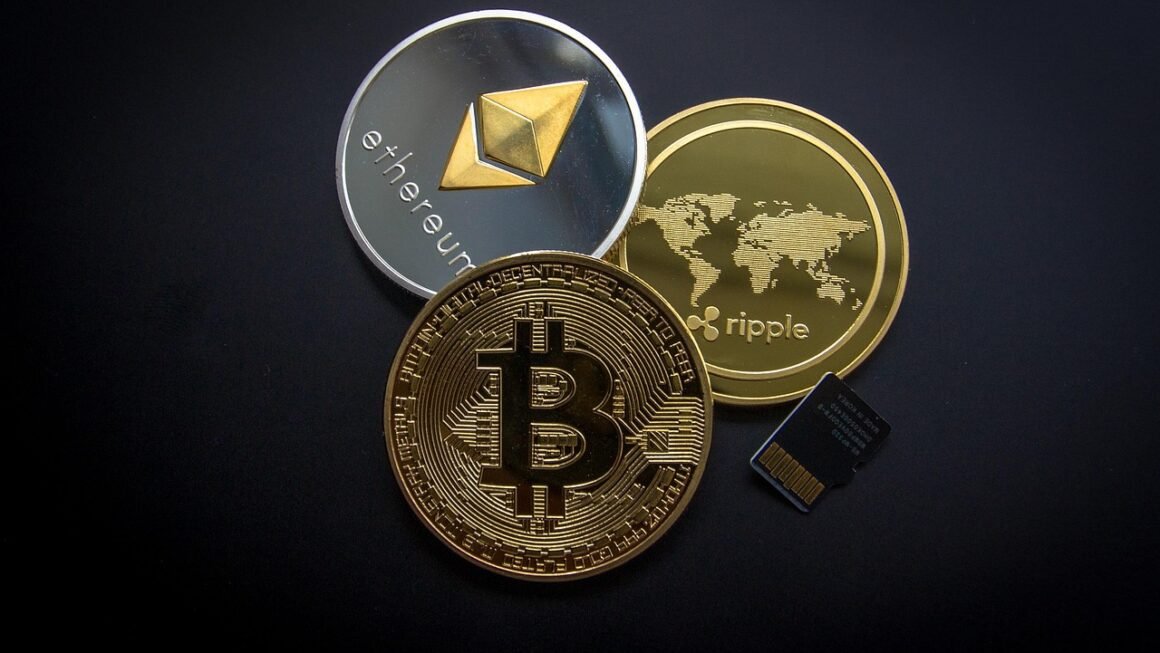
- A cryptographic hash of the data is embedded into a transaction on a blockchain (e.g., Bitcoin or Ethereum).
- Once the transaction is confirmed and added to a block, that hash becomes an immutable part of the blockchain’s history, linked to the block’s timestamp.
Benefits include censorship resistance and no single point of failure. It offers a publicly verifiable and tamper-proof record without needing a central authority.
Practical Example: An independent artist can timestamp their digital artwork on a public blockchain. This creates an unchangeable record of their creation date, which can be easily verified by anyone, anywhere, without reliance on a specific company or government.
Cryptographic Hashing and Digital Signatures
Both TTP and blockchain timestamping heavily rely on two core cryptographic primitives:
- Cryptographic Hashing: A hash function takes an input (your data) and returns a fixed-size string of characters, called a hash value or digest. Even a tiny change in the input data will result in a completely different hash, making it an excellent integrity check.
- Digital Signatures: These are mathematical schemes for verifying the authenticity of digital messages or documents. A digital signature, created using a private key, proves that the signer created the message and that the message has not been altered since it was signed.
These technologies are the backbone, ensuring that the secure timestamp is inextricably linked to the data’s state at that specific moment.
Actionable Takeaway: When choosing a timestamping solution, consider the level of trust required, the need for decentralization, and the legal implications. Both TTP and blockchain methods offer robust security through cryptographic principles.
Versatile Applications: Where Timestamping Makes a Difference
The utility of timestamping extends far beyond academic interest; it’s a critical component in safeguarding operations and ensuring trust across a multitude of industries.
Legal and Regulatory Compliance
In legal disputes and regulatory environments, timestamps provide undeniable proof. They are essential for:
- Contract and Agreement Management: Proving when an electronic contract was signed or an amendment was made.
- Intellectual Property: Establishing the creation date of patents, copyrights, designs, and research findings. This is crucial for proving prior art or ownership.
- Data Retention and Archiving: Ensuring compliance with regulations like GDPR, HIPAA, and Sarbanes-Oxley by proving data existed in a certain state at a particular time for audit trails.
Many jurisdictions recognize qualified electronic timestamps as legally binding, making them powerful tools in litigation.
Financial Services and Audit Trails
The financial sector is perhaps one of the largest beneficiaries of robust timestamping, where precision and verifiable sequences are paramount.
- Transaction Logging: Every stock trade, bank transfer, or payment gateway operation is timestamped to provide an immutable audit trail. Billions of financial transactions globally rely on accurate timestamps daily to maintain order and detect fraud.
- Regulatory Reporting: Proving the submission time of financial reports to regulatory bodies.
- Internal Audits: Verifying the integrity and sequence of internal financial records.
Intellectual Property Protection and Content Creation
For creators and innovators, timestamping offers a vital layer of protection for their original work.
- Creative Works: Artists, musicians, and writers can timestamp drafts or final versions of their work, creating an indisputable record of creation for copyright purposes.
- Software Development: Timestamping code commits, design documents, and software releases provides a clear history and proof of ownership, crucial in a collaborative environment.
- Research and Development: Securely logging experimental data and research findings.
Practical Example: A software developer timestamps their unique algorithm before sharing it with potential investors, demonstrating prior invention in case of dispute.
Supply Chain and Logistics
In complex global supply chains, timestamping enhances transparency and accountability.
- Product Provenance: Tracking the origin of goods, ensuring they are not counterfeit, and verifying ethical sourcing.
- Logistics Tracking: Recording delivery times, handling events, and inventory movements securely.
- Quality Control: Timestamping quality assurance checks at various stages of production.
Actionable Takeaway: Evaluate your industry’s specific needs for proof of existence, integrity, and chronological order. Timestamping can significantly mitigate risks, ensure compliance, and build trust across a wide array of business functions.
Implementing and Optimizing Your Timestamping Strategy
Adopting timestamping into your existing workflows requires careful planning and consideration to ensure maximum effectiveness and compliance.
Selecting the Right Provider and Service
Choosing a reliable timestamping service provider is crucial. Key factors to consider include:
- Accreditation and Standards: Look for providers compliant with international standards (e.g., ETSI TS 102 023, RFC 3161) or national regulations (e.g., eIDAS for qualified timestamps in the EU).
- Uptime and Reliability: The service must be consistently available and highly robust.
- API Integration: Seamless integration with your existing document management systems, CRMs, or custom applications is often a necessity.
- Cost and Scalability: Ensure the solution fits your budget and can scale with your organization’s growth.
- Legal Jurisdiction: Understand where the TSA is based and its legal implications for your specific use cases.
Integration Best Practices
Effective integration ensures timestamping becomes a natural part of your digital processes:
- Automate Where Possible: Integrate timestamping into automated workflows for document generation, contract signing, or data archiving.
- Privacy Considerations: Always remember that only the hash of the data should be sent to the timestamping authority, never the sensitive original data itself.
- Storage of Tokens: Securely store the timestamp tokens alongside the original data. These tokens are critical for verifying the timestamp’s validity in the future.
- User Training: Educate users on the importance and proper use of timestamping tools.
Legal and Compliance Considerations
The legal enforceability of timestamps varies by jurisdiction. It’s vital to understand the relevant laws:
- Electronic Signatures Acts: In the US, the ESIGN Act and UETA (Uniform Electronic Transactions Act) provide legal validity to electronic records and signatures.
- eIDAS Regulation (EU): This regulation sets standards for electronic identification and trust services, including qualified electronic timestamps, which have specific legal effects in EU member states.
- Industry-Specific Regulations: Adhere to specific data integrity requirements in sectors like healthcare (HIPAA) or finance.
Actionable Takeaway: Approach timestamping strategically. Don’t just implement; integrate. Select a provider that aligns with your technical, legal, and operational requirements, and ensure your team understands its value.
Conclusion
Timestamping is more than a technical detail; it is a foundational pillar of trust in the digital age. From safeguarding critical legal documents and financial transactions to protecting creative works and ensuring supply chain transparency, its role is indispensable. By providing an immutable, verifiable record of data’s existence at a precise moment, timestamping empowers individuals and organizations to operate with greater confidence, integrity, and accountability. As our reliance on digital information only grows, embracing robust timestamping solutions will be paramount for any entity committed to security, compliance, and fostering genuine digital trust.