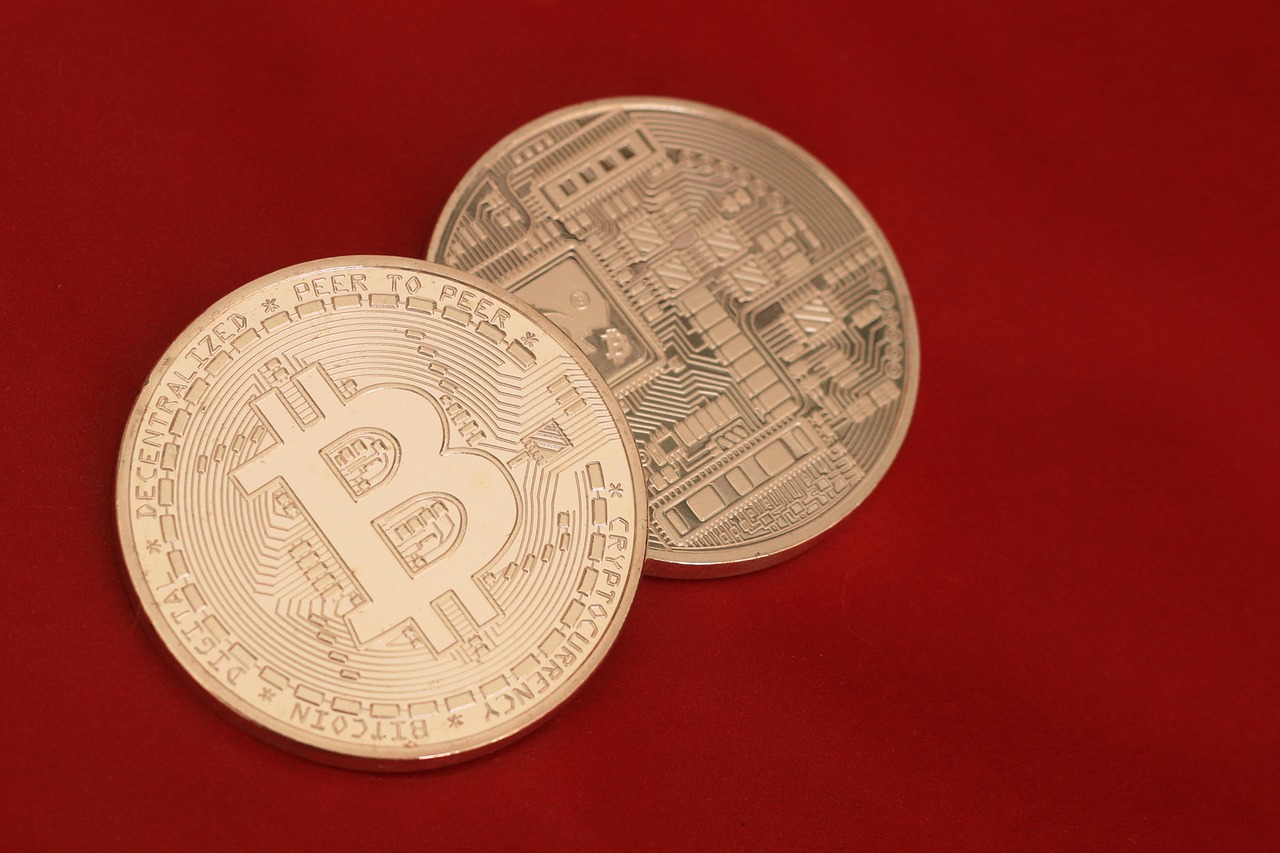
In the rapidly evolving world of digital finance, the convenience of online payments and digital currency storage has become indispensable. Yet, beneath the seamless tap-and-pay experience or instant crypto transfers lies a crucial, often overlooked process: wallet approvals. Far from a mere formality, this gatekeeping mechanism is the bedrock of security, trust, and regulatory compliance, ensuring that your financial interactions remain safe and legitimate. Whether you’re a new user eager to dive into mobile payments or a business looking to integrate digital wallets, understanding the intricacies of wallet approvals is key to a smooth and secure digital journey.
Understanding Wallet Approvals in the Digital Age
Digital wallets have transformed how we manage our money, offering unparalleled convenience and speed. However, access to these powerful financial tools isn’t always instantaneous. The process of “wallet approval” is a vital step that safeguards both users and the broader financial ecosystem.
What Are Wallet Approvals?
At its core, wallet approval refers to the authorization process by which a digital wallet provider (or an associated payment service) verifies and authenticates an individual or entity before granting them full access to its platform. This can involve several layers:
- User Account Approval: The most common form, where an individual or business applies to use a digital wallet service and undergoes a verification process.
- Regulatory Approval: For the wallet service provider itself, this involves obtaining licenses and adhering to regulatory bodies to operate legally in specific jurisdictions.
- Transaction Approval: While not the primary focus here, individual transactions within an approved wallet are also subject to real-time approval checks to prevent fraud.
Think of it as the modern-day equivalent of opening a bank account, but tailored for the digital realm, ensuring your digital identity matches your real-world one.
Why Are They Necessary?
The rigorous process of wallet approvals serves multiple critical functions that benefit everyone involved:
- Security: It prevents unauthorized access and protects users from identity theft and fraudulent activities.
- Fraud Prevention: By verifying user identities, providers can significantly reduce the risk of scams, chargebacks, and other financial crimes.
- Regulatory Compliance: Adherence to global and local laws such as Know Your Customer (KYC) and Anti-Money Laundering (AML) is non-negotiable for financial institutions, including digital wallet providers.
- Building Trust: A robust approval process instills confidence in users, knowing that the platform is secure and legitimate, fostering wider adoption of digital payment methods.
- System Integrity: It helps maintain the overall integrity and stability of the financial system by preventing its misuse for illicit purposes.
Actionable Takeaway: Recognize that wallet approvals are not arbitrary hurdles but essential safeguards designed for your financial protection and the stability of the digital economy. Always prioritize platforms with transparent and robust approval processes.
The User’s Journey: Getting Your Wallet Approved
For most users, the approval process begins the moment they decide to sign up for a new digital wallet. Understanding what’s expected can significantly streamline your onboarding experience.
Key Documentation and Information Required
While requirements can vary by provider and jurisdiction, typical information requested includes:
- Personal Details: Full legal name, date of birth, residential address, and contact information (phone number, email).
- Identity Verification: A government-issued ID, such as a passport, driver’s license, or national ID card. This often requires submitting clear photos of the document.
- Proof of Address: A recent utility bill (electricity, water, gas), bank statement, or rental agreement displaying your name and current address.
- Selfie Verification: Many platforms now require a “selfie” photo, often holding your ID, to confirm that the person registering is the legitimate owner of the identity documents. Some may even use live video verification.
- Tax Identification: Depending on the service and region, your tax identification number (e.g., Social Security Number in the US, Tax File Number in Australia) might be required, especially for higher transaction limits or business accounts.
Example: When signing up for a popular mobile payment app, you might upload a photo of your driver’s license (front and back), then take a selfie that the app’s AI compares against your ID photo. Simultaneously, you’d link your bank account for funding, which may also trigger additional micro-deposit verification.
The Verification Process Explained
Once you submit your information, the provider undertakes a multi-step verification process:
- Automated Checks: AI-powered systems perform initial screenings, cross-referencing your data against databases and public records. This is usually very fast.
- Document Authenticity: Software analyzes uploaded documents for signs of tampering, watermarks, and other security features to ensure they are genuine.
- Biometric Analysis: For selfie verification, biometric algorithms match your live facial features against your ID photo.
- Sanctions Screening: Your details are checked against global watchlists for individuals involved in terrorism, money laundering, or other illicit activities.
- Manual Review: If automated checks raise flags or if documents are unclear, a human compliance officer steps in for a manual review, which can extend the approval time.
Approval times can range from a few minutes for fully automated systems to several days if manual review or additional documentation is required. Factors like the complexity of your profile and the specific regulations of your region can also influence the timeline.
Tips for a Smooth Approval Process
- Prepare Documents: Have clear, high-resolution images of your valid ID and proof of address ready before you start.
- Match Information: Ensure all personal details you enter precisely match the information on your official documents. Minor discrepancies can cause delays.
- Good Lighting for Selfies: If selfie verification is required, ensure you are in a well-lit area with a neutral background.
- Respond Promptly: If the wallet provider requests additional information, provide it as quickly and clearly as possible.
- Understand the T&Cs: Familiarize yourself with the provider’s specific KYC/AML requirements and terms of service.
Actionable Takeaway: Proactive preparation of accurate and clear documentation is your best strategy for a swift and hassle-free wallet approval. Don’t rush the process; accuracy prevents delays.
Behind the Scenes: What Wallet Providers Look For
While users focus on getting approved, wallet providers are navigating a complex landscape of regulatory obligations and advanced security threats. Their internal processes are designed to mitigate risks and ensure compliance.
Regulatory Compliance (KYC & AML)
Know Your Customer (KYC) and Anti-Money Laundering (AML) are the cornerstones of financial regulation. For wallet providers, this means:
- Customer Due Diligence (CDD): Collecting and verifying the identity of their customers. This is the “Know Your Customer” part.
- Enhanced Due Diligence (EDD): For higher-risk customers or transactions, more extensive background checks are conducted, including source of wealth verification.
- Transaction Monitoring: Continuously analyzing transaction patterns for suspicious activities (e.g., unusually large sums, frequent small deposits followed by a large withdrawal).
- Suspicious Activity Reports (SARs): Obligation to report any detected suspicious transactions or activities to relevant financial intelligence units (e.g., FinCEN in the US, NCA in the UK).
Example: A wallet provider based in Europe must comply with directives like PSD2 (Revised Payment Service Directive) and the 5th AML Directive, which dictate stringent identity verification for digital payments and e-money services. This impacts what documents they request and how they process them.
Fraud Prevention Mechanisms
Beyond regulatory compliance, wallet providers invest heavily in sophisticated technologies to detect and prevent fraud:
- Risk Scoring: Assigning a risk score to each user and transaction based on various data points, such as device ID, IP address, transaction history, and behavioral patterns.
- AI and Machine Learning: Utilizing algorithms to identify unusual patterns or anomalies that indicate potential fraud, learning from past fraudulent activities.
- Device Fingerprinting: Identifying unique characteristics of a user’s device to detect if multiple accounts are being operated from the same device or if a known fraudulent device is attempting access.
- Geo-location and IP Analysis: Checking if transaction locations align with user profiles and identifying suspicious access from high-risk countries.
- Behavioral Biometrics: Analyzing unique user interactions (typing speed, mouse movements, how they hold their phone) to detect account takeover attempts.
A recent study by Juniper Research estimated that merchant losses to online payment fraud could exceed $343 billion globally between 2023 and 2027, highlighting the constant threat and need for robust prevention.
Security Protocols
Protecting user data and funds is paramount:
- Data Encryption: All sensitive customer data, both in transit and at rest, is encrypted using industry-standard protocols.
- Secure Data Storage: Storing data in highly secure, often geographically distributed, data centers with multiple layers of access control.
- Multi-Factor Authentication (MFA): Enforcing MFA (e.g., SMS codes, authenticator apps) for logins and high-value transactions to add an extra layer of security.
- Regular Security Audits: Conducting frequent penetration testing and vulnerability assessments by third-party experts to identify and fix potential weaknesses.
Actionable Takeaway: When choosing a digital wallet, research its commitment to regulatory compliance, fraud prevention, and data security. A transparent provider with publicly available security policies is a strong indicator of trustworthiness.
Types of Wallet Approvals and Their Implications
Not all wallet approvals are created equal. The requirements and processes can differ significantly based on the user type, the nature of the wallet, and geographical location.
Consumer Wallets vs. Business Wallets
The distinction between individual and business use fundamentally alters the approval landscape:
- Consumer Wallets: Typically used by individuals for personal transactions. The KYC process is generally simpler, focusing on verifying the individual’s identity and address. Limits on transaction volumes and balances might be lower until further verification stages are cleared.
- Business Wallets: Designed for companies, sole proprietors, or freelancers. The approval process is far more extensive, requiring:
- Business registration documents (e.g., Articles of Incorporation, business license).
- Employer Identification Number (EIN) or equivalent tax ID.
- Verification of Ultimate Beneficial Owners (UBOs) – individuals who ultimately own or control the business.
- Proof of business address, operational presence, and sometimes financial statements.
- Website or app details if the business operates online.
Example: A small online boutique seeking a business wallet to accept payments will need to provide its business registration, tax ID, and verify the identity of its owner and potentially its director if it’s a larger entity.
Crypto Wallets: Unique Approval Challenges
Cryptocurrency wallets, especially custodial ones (where the provider holds your private keys), face an even more complex regulatory environment:
- Source of Funds (SoF) Verification: Due to the anonymous nature of some crypto transactions, providers might require users to prove the legitimate origin of their cryptocurrency holdings, particularly for large deposits or withdrawals. This could involve providing exchange statements or transaction IDs.
- Increased Scrutiny: The perceived higher risk of money laundering with crypto means these wallets often have stricter KYC/AML requirements, even for smaller transaction thresholds.
- Evolving Regulations: The regulatory landscape for crypto is still maturing, leading to varied and often changing requirements across jurisdictions. What’s acceptable in one country might not be in another.
Geographical Variations in Approval Standards
Financial regulations are often country-specific, leading to a patchwork of wallet approval requirements globally:
- Jurisdictional Differences: A wallet provider operating in the EU must comply with GDPR for data protection and PSD2 for payment services, which might differ significantly from requirements in the US (e.g., FinCEN regulations) or Asia (e.g., MAS in Singapore).
- Impact on Global Services: Wallet providers aiming for a global user base must tailor their approval processes to meet the legal demands of each country they serve, often leading to a more complex and localized onboarding experience.
- Sanctions Compliance: Providers must also adhere to international sanctions lists, restricting services to individuals or entities in certain sanctioned countries or regions.
Actionable Takeaway: Before applying for a wallet, especially for business or crypto use, understand the specific requirements for your type of wallet and your geographical location. This preparedness will save significant time and potential frustration.
Conclusion
Wallet approvals, while sometimes perceived as a bureaucratic hurdle, are indispensable pillars of the digital financial ecosystem. They represent a critical commitment by providers to uphold security, prevent fraud, and adhere to stringent regulatory standards. For users, understanding this process demystifies the requirements and empowers them to navigate their digital financial journey with greater confidence and ease.
As the world moves towards increasingly digital and borderless transactions, the technology behind wallet approvals will continue to evolve, leveraging AI, blockchain, and advanced biometrics to create more seamless, yet equally secure, onboarding experiences. By embracing these essential safeguards, we ensure that the promise of digital finance—convenience, speed, and accessibility—is realized on a foundation of trust and integrity.