The financial world is undergoing a seismic shift, driven by a technological revolution that promises to redefine how we perceive and interact with money. At the forefront of this transformation is cryptocurrency – a digital asset designed to work as a medium of exchange using cryptography to secure transactions, control the creation of additional units, and verify the transfer of assets. More than just a buzzword, crypto represents a paradigm shift towards a decentralized future, offering a tantalizing blend of innovation, opportunity, and challenge. Whether you’re a curious beginner, a seasoned investor, or simply interested in the future of finance, understanding cryptocurrency is no longer optional, but essential.
What is Cryptocurrency? Unpacking the Basics
At its core, cryptocurrency is a digital or virtual currency that is secured by cryptography, making it nearly impossible to counterfeit or double-spend. Unlike traditional fiat currencies issued by governments, most cryptocurrencies are decentralized, meaning they are not subject to government or financial institution control.
Defining Digital Assets
Cryptocurrencies are often referred to as digital assets because they represent value stored electronically. This value can be transferred, traded, and even used for purchases, much like traditional money, but with distinct underlying technology.
- Digital: Exists purely in electronic form, without physical representation.
- Decentralized: Operates on a peer-to-peer network, free from central authority.
- Encrypted: Uses advanced cryptographic techniques for security and verification.
Key Characteristics of Cryptocurrency
Understanding these fundamental traits is crucial for grasping the broader implications of crypto:
- Decentralization: Governed by its user base, rather than a central bank or government. This is powered by blockchain technology, a distributed public ledger.
- Cryptography: Transactions are secured and verified using complex mathematical algorithms, ensuring integrity and preventing fraud.
- Immutability: Once a transaction is recorded on the blockchain, it cannot be altered or removed, creating a permanent and transparent record.
- Scarcity: Many cryptocurrencies, like Bitcoin, have a fixed maximum supply, mimicking the scarcity of precious metals and potentially driving value.
- Pseudonymity: While transactions are public, the identities of the participants remain anonymous, identified only by their wallet addresses.
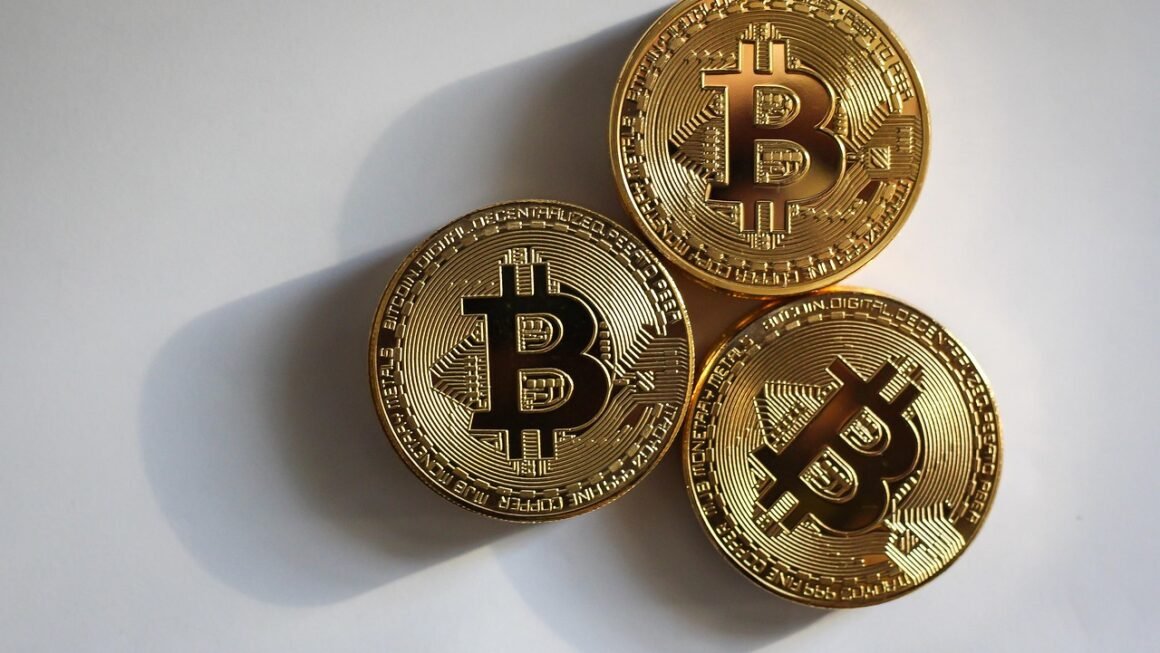
Practical Example: Consider Bitcoin (BTC), the pioneering cryptocurrency launched in 2009. It exemplifies all these characteristics, operating on its own blockchain without any central entity overseeing it. Its fixed supply of 21 million coins makes it a scarce digital asset, often referred to as “digital gold.”
Actionable Takeaway: Before investing or engaging with any cryptocurrency, take the time to understand its core principles. This foundational knowledge will empower you to make informed decisions and appreciate the underlying value proposition beyond speculative price movements.
How Blockchain Technology Powers Crypto
Cryptocurrency wouldn’t exist without blockchain, the revolutionary technology that serves as its backbone. Often described as a “distributed ledger,” blockchain provides the security, transparency, and decentralization that define digital assets.
The Core Innovation: Distributed Ledger Technology (DLT)
A blockchain is essentially a continuously growing list of records, called blocks, which are linked and secured using cryptography. Each block contains a cryptographic hash of the previous block, a timestamp, and transaction data.
- Distributed: The ledger is not stored in one central location but is replicated across a vast network of computers (nodes).
- Immutable: Once a block is added to the chain, it’s incredibly difficult to change or remove, ensuring transaction integrity.
- Transparent: All transactions are publicly viewable on the network, though participant identities are typically pseudonymous.
How Blockchain Transactions Work
Let’s illustrate a typical cryptocurrency transaction:
- A user initiates a transaction (e.g., sending Bitcoin to another user).
- The transaction is broadcast to the network of computers (nodes).
- Miners (or validators in Proof-of-Stake systems) verify the transaction’s authenticity and validity.
- Once verified, the transaction is bundled with other pending transactions into a “block.”
- This new block is then cryptographically linked to the previous block, forming a chain.
- The validated block is added to the blockchain, and the transaction is complete, with both sender and receiver having an updated record of their balances.
Benefits of Blockchain for Cryptocurrencies
The integration of blockchain technology brings several transformative advantages to the world of digital currencies:
- Enhanced Security: The distributed and immutable nature makes the network highly resistant to hacking and fraud. Corrupting one record would require altering all subsequent blocks across the entire network.
- Transparency: Every transaction is recorded and publicly verifiable, fostering trust among participants.
- No Single Point of Failure: Due to its decentralized nature, there’s no central server that can be shut down or compromised, ensuring continuous operation.
- Reduced Costs: By eliminating intermediaries (like banks), transaction fees can be significantly lower, especially for international transfers.
- Speed & Efficiency: While varying by blockchain, many crypto transactions can settle much faster than traditional banking systems.
Practical Example: When you send Ethereum (ETH), the transaction is processed and recorded on the Ethereum blockchain. This public ledger ensures that the ETH is not double-spent and that the transfer is legitimate, all without a bank acting as an intermediary.
Actionable Takeaway: Recognize that blockchain is more than just a technology; it’s a new way of organizing and verifying information securely. Understanding its mechanisms will deepen your appreciation for the security and integrity of cryptocurrency transactions.
Popular Cryptocurrencies and Their Use Cases
While Bitcoin paved the way, the crypto ecosystem has diversified immensely, with thousands of different cryptocurrencies, each often designed with unique features and specific use cases.
Bitcoin (BTC): The Original Digital Gold
As the first and largest cryptocurrency by market capitalization, Bitcoin is often seen as a store of value, akin to digital gold.
- Primary Use: Store of value, hedge against inflation, peer-to-peer electronic cash system.
- Key Feature: Limited supply of 21 million coins, making it deflationary.
- Practical Example: Individuals and institutions hold Bitcoin as a long-term investment or a digital reserve asset. El Salvador notably adopted Bitcoin as legal tender in 2021.
Ethereum (ETH): Powering Smart Contracts and DeFi
Ethereum introduced the concept of “smart contracts,” self-executing contracts with the terms of the agreement directly written into code. This innovation opened the door to a vast ecosystem of decentralized applications (dApps).
- Primary Use: Platform for decentralized applications (dApps), smart contracts, Decentralized Finance (DeFi), Non-Fungible Tokens (NFTs).
- Key Feature: Turing-complete programming language (Solidity) allowing developers to build complex applications.
- Practical Example: Most popular DeFi protocols (lending, borrowing platforms like Aave or Compound) and NFT marketplaces (OpenSea) are built on the Ethereum blockchain.
Altcoins & Stablecoins: Diverse Applications
Beyond Bitcoin and Ethereum, a vast array of “altcoins” (alternative coins) and stablecoins cater to different niches:
- Cardano (ADA): Focuses on peer-reviewed research and formal verification for high-security applications, emphasizing sustainability and scalability.
- Solana (SOL): Known for its high transaction throughput and low fees, making it suitable for scalable dApps and NFTs.
- Ripple (XRP): Designed for fast, low-cost international payments for financial institutions.
- Litecoin (LTC): Often called “digital silver,” offering faster transaction times than Bitcoin.
- Stablecoins (e.g., Tether USDT, USD Coin USDC): Cryptocurrencies designed to minimize price volatility by being pegged to a stable asset, typically the US dollar, offering a bridge between crypto and traditional finance.
Beyond Currency: DeFi & NFTs
The impact of cryptocurrencies extends far beyond simple digital money:
- Decentralized Finance (DeFi): A global, open alternative to traditional financial services, including lending, borrowing, insurance, and trading, all powered by smart contracts on blockchains.
- Non-Fungible Tokens (NFTs): Unique digital assets representing ownership of items like art, music, collectibles, or even virtual real estate. They leverage blockchain to prove authenticity and ownership.
Actionable Takeaway: The cryptocurrency market is incredibly diverse. Before considering an investment, research the specific use case, underlying technology, and development team behind any given crypto. Each project has a unique value proposition and risk profile.
Investing in Cryptocurrency: Opportunities & Risks
The allure of cryptocurrency investing is undeniable, driven by stories of astronomical returns. However, it’s a market characterized by both immense opportunity and significant risk.
Why Invest in Cryptocurrency?
Several factors attract investors to the crypto market:
- High Growth Potential: The relatively nascent nature of the market means many cryptocurrencies have significant room for growth, potentially delivering higher returns than traditional assets.
- Portfolio Diversification: Crypto can offer diversification benefits, as its price movements don’t always correlate with traditional stock or bond markets.
- Technological Innovation: Investing in crypto is also investing in cutting-edge blockchain technology and the future of decentralized finance.
- Accessibility: Crypto markets are global and operate 24/7, offering access to investment opportunities without traditional market hours.
Risks to Consider Before Investing
Prudent investors must be acutely aware of the downsides:
- Extreme Volatility: Cryptocurrency prices can experience dramatic swings in short periods, leading to substantial gains or losses.
- Regulatory Uncertainty: The regulatory landscape for crypto is still evolving globally, and new laws could significantly impact market dynamics.
- Security Risks: While blockchain is secure, individual holdings can be vulnerable to exchange hacks, phishing scams, or losing private keys.
- Market Manipulation: The market can be influenced by large holders (“whales”) or coordinated pump-and-dump schemes.
- Complexity: Understanding the underlying technology and economics of different cryptocurrencies requires significant research and effort.
Practical Investment Tips
Approach crypto investing with caution and a well-thought-out strategy:
- Do Your Own Research (DYOR): Never invest based on hype. Understand the project, its team, technology, market cap, and whitepaper.
- Invest What You Can Afford to Lose: Due to extreme volatility, only allocate capital that you are comfortable potentially losing entirely.
- Use Reputable Exchanges: Opt for established and regulated cryptocurrency exchanges like Coinbase, Binance, Kraken, or Gemini for buying and selling.
- Secure Your Assets: For significant holdings, consider hardware wallets (e.g., Ledger, Trezor) for offline storage, which offers superior security against online threats.
- Dollar-Cost Averaging (DCA): Instead of a lump sum, invest a fixed amount regularly (e.g., weekly or monthly) to mitigate the impact of volatility.
- Beware of Scams: Be wary of unsolicited offers, promises of guaranteed returns, or schemes that pressure you to invest quickly.
Actionable Takeaway: Cryptocurrency investing is not for the faint of heart. Prioritize education, risk management, and security. A disciplined, long-term approach based on thorough research is generally more sustainable than speculative day trading.
The Future of Cryptocurrency and Its Impact
Cryptocurrency is still in its early stages, but its trajectory suggests a profound impact on global finance, technology, and society. The future promises continued evolution and integration.
Mass Adoption & Integration
We are witnessing the gradual move towards mainstream acceptance:
- Merchant Acceptance: A growing number of businesses, from major corporations to local shops, are beginning to accept cryptocurrencies as payment.
- Institutional Investment: Major financial institutions, hedge funds, and even public companies are allocating significant capital to Bitcoin and other digital assets.
- Central Bank Digital Currencies (CBDCs): Many central banks worldwide are exploring or developing their own digital currencies, which could coexist with or even integrate into the existing crypto ecosystem.
- Tokenization of Real-World Assets: The ability to represent ownership of physical assets (like real estate, art, or commodities) as digital tokens on a blockchain could revolutionize traditional markets.
Regulatory Landscape Evolution
Governments and regulatory bodies globally are actively working to define frameworks for cryptocurrencies:
- Clarity and Consumer Protection: The goal is often to provide regulatory clarity for businesses while protecting consumers and preventing illicit activities.
- Global Standards: International organizations are collaborating to establish common standards for crypto regulation to prevent regulatory arbitrage.
- Innovation vs. Control: Regulators face the challenge of fostering innovation without compromising financial stability or national security.
Challenges Ahead
Despite the immense potential, several hurdles remain for widespread adoption and sustained growth:
- Scalability Issues: Some blockchains struggle with processing a high volume of transactions quickly and efficiently, leading to network congestion and high fees (e.g., Ethereum’s transition to Eth 2.0 addresses this).
- Environmental Concerns: The energy consumption of Proof-of-Work blockchains (like Bitcoin) is a significant concern, pushing for more energy-efficient alternatives (e.g., Proof-of-Stake).
- User Experience: The complexity of managing private keys, understanding wallets, and navigating decentralized applications remains a barrier for many mainstream users.
- Interoperability: Different blockchains often operate in silos. Developing solutions for seamless communication and asset transfer between chains is crucial.
Practical Example: The ongoing development of Ethereum 2.0 (Serenity), transitioning from Proof-of-Work to Proof-of-Stake, aims to drastically reduce energy consumption and improve scalability, addressing two major challenges for the network and the broader crypto space.
Actionable Takeaway: The future of cryptocurrency is dynamic and uncertain, but undeniably transformative. Stay informed about technological advancements, regulatory changes, and economic trends to understand how these factors might shape the market and its impact on your financial future.
Conclusion
Cryptocurrency is far more than a fleeting trend; it’s a powerful force driving innovation across global finance and technology. From Bitcoin’s pioneering role as digital gold to Ethereum’s decentralized applications and the vast ecosystem of altcoins and stablecoins, these digital assets are reshaping how we store value, conduct transactions, and interact with the internet itself. While the journey is fraught with volatility and risk, the underlying blockchain technology offers unparalleled security, transparency, and efficiency.
Navigating this evolving landscape requires continuous learning, diligent research, and a pragmatic approach to investing. As central banks explore digital currencies and institutions embrace blockchain, the lines between traditional finance and decentralized finance will continue to blur. Embracing the potential of cryptocurrency means understanding its fundamentals, acknowledging its challenges, and preparing for a future where digital assets play an increasingly integral role in our interconnected world. The revolution is here, and staying informed is your best guide.