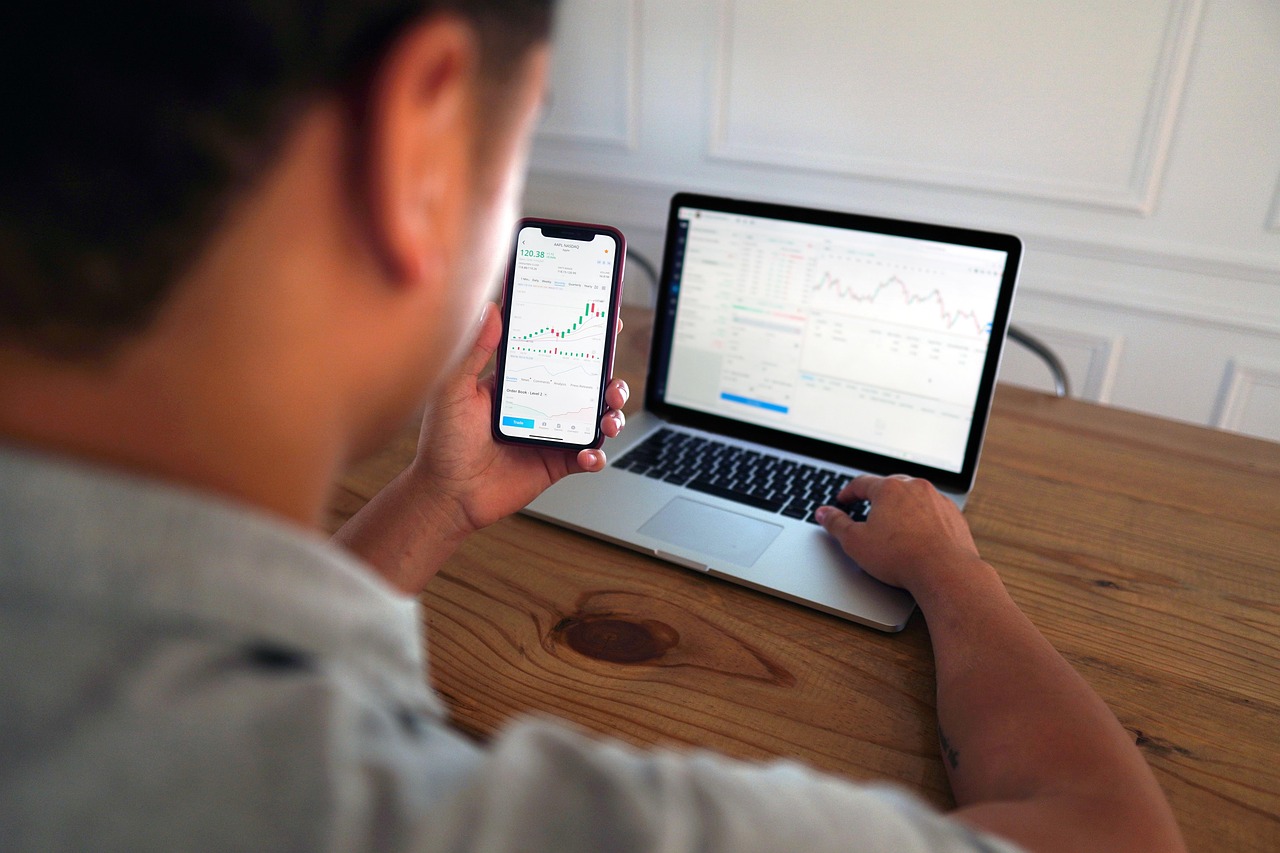
The financial world often feels like a turbulent sea, with waves of price fluctuations constantly challenging even the most seasoned navigators. This omnipresent force, shaping the daily narrative of stocks, bonds, commodities, and currencies, is known as volatility. Far from being a mere buzzword, volatility is a fundamental characteristic of financial markets, reflecting the speed and magnitude of price changes. While often associated with fear and uncertainty, a deep understanding of volatility reveals it to be a powerful, dual-edged sword, presenting both significant risks and lucrative opportunities for those prepared to wield it wisely. This post will demystify volatility, exploring its nature, drivers, impacts, and strategies for navigating its ever-changing landscape.
Understanding Volatility: More Than Just Market Swings
At its core, volatility quantifies how much a security’s price deviates from its average over a given period. It’s not about the direction of price movement, but the extent of that movement. High volatility implies larger and more rapid price swings, while low volatility suggests more stable, gradual price changes. For investors, grasping this concept is paramount to effective portfolio management and risk assessment.
What is Volatility?
Volatility refers to the rate at which the price of a security, commodity, or market index changes over time. It’s a statistical measure of the dispersion of returns for a given security or market index. A higher volatility means that an asset’s value can change dramatically over a short period, whereas lower volatility means its value changes more slowly.
- Degree of Variation: It reflects how spread out the returns of an investment are.
- Rate of Change: It measures how quickly and significantly prices are moving.
Practical Example: If Stock A typically moves by +/- 1% each day, while Stock B moves by +/- 10% daily, Stock B is considerably more volatile than Stock A.
Measuring Volatility: Key Metrics
Financial professionals use several metrics to quantify volatility, each offering a different perspective on potential price movements.
- Standard Deviation: This is the most common statistical measure, indicating the average amount a set of returns deviates from its mean. A higher standard deviation means higher historical volatility.
- Beta: Beta measures a stock’s volatility in relation to the overall market (usually represented by an index like the S&P 500).
- A Beta of 1 means the stock moves with the market.
- A Beta greater than 1 suggests the stock is more volatile than the market.
- A Beta less than 1 indicates it’s less volatile.
- The VIX Index (CBOE Volatility Index): Often called the “fear index,” the VIX represents the market’s expectation of 30-day forward-looking volatility. It’s derived from the prices of S&P 500 index options and typically spikes during periods of market stress.
Actionable Takeaway: Familiarize yourself with these metrics. They are invaluable tools for assessing the inherent risk profile of your investments and the broader market sentiment.
Historical vs. Implied Volatility
Understanding the distinction between these two forms of volatility is crucial for strategic decision-making:
- Historical Volatility (Realized Volatility): This is calculated from past market data, reflecting how prices have behaved historically. It’s a factual, backward-looking measure.
- Implied Volatility: Derived from the prices of options contracts, implied volatility represents the market’s collective forecast of future volatility for a specific asset. It’s a forward-looking measure, reflecting investor sentiment and expectations.
Practical Example: If historical volatility shows a stock moved 2% daily over the last month, but implied volatility in its options contracts suggests a 5% daily movement for the next month, it indicates the market anticipates significantly larger swings ahead.
The Drivers of Volatility: What Makes Markets Jitter?
Market volatility is rarely random. It’s a complex interplay of various economic, political, corporate, and psychological factors that constantly influence investor behavior and asset prices. Recognizing these drivers is key to anticipating potential shifts in market sentiment.
Economic Indicators and Geopolitical Events
Macroeconomic data and global political shifts are powerful catalysts for market volatility:
- Inflation Reports: Unexpectedly high inflation can trigger fears of central bank interest rate hikes, dampening economic growth and causing equity and bond market turbulence.
- GDP Growth: Strong or weak Gross Domestic Product figures can signal economic expansion or contraction, directly impacting corporate earnings expectations and investor confidence.
- Employment Data: Jobs reports are closely watched, as they reflect consumer spending power and overall economic health.
- Geopolitical Instability: Wars, trade disputes, elections, or significant policy changes in major economies can create systemic risk, leading to broad market uncertainty and sudden price drops.
Practical Example: The outbreak of the COVID-19 pandemic in early 2020 led to unprecedented global economic shutdowns and a dramatic surge in the VIX index, as markets reacted to the immense uncertainty and projected economic impact.
Corporate News and Central Bank Actions
Company-specific events and monetary policy decisions also play a pivotal role:
- Earnings Reports: When companies report quarterly earnings that significantly beat or miss analyst expectations, their stock prices can experience extreme short-term volatility. Unexpected guidance on future performance also has a strong impact.
- Mergers & Acquisitions: Announcements of M&A deals often lead to sharp movements in the stock prices of both the acquiring and target companies.
- Interest Rate Decisions: Central banks, such as the U.S. Federal Reserve, adjust benchmark interest rates to manage inflation and economic growth. Rate hikes can make borrowing more expensive, potentially slowing economic activity and causing equity markets to pull back, while cuts can have the opposite effect.
- Quantitative Easing/Tightening: Central bank policies involving buying or selling government bonds directly influence market liquidity and can create significant ripples across asset classes.
Actionable Takeaway: Stay abreast of key economic calendars and corporate announcements. Understanding the narrative behind these events helps predict their potential market impact.
Volatility as a Double-Edged Sword: Risks and Opportunities
While the term “volatility” often evokes images of market crashes and investor panic, it’s crucial to recognize that it presents both considerable dangers and significant avenues for profit. Navigating volatile markets requires a clear understanding of both sides of this equation.
Navigating the Risks of High Volatility
Unmanaged volatility can lead to substantial financial losses and emotional distress:
- Capital Erosion: Rapid and dramatic price declines can quickly diminish the value of investment portfolios, sometimes wiping out years of gains.
- Emotional Decision-Making: Fear and panic during market downturns often compel investors to sell assets at the worst possible time, locking in losses and missing subsequent recoveries.
- Liquidity Issues: In highly volatile or distressed markets, it can become difficult to sell certain assets quickly at a fair price, leading to forced sales at disadvantageous valuations.
- Increased Margin Calls: For investors using leverage, heightened volatility can lead to sudden, large losses that trigger margin calls, forcing them to deposit more capital or sell holdings.
Practical Example: During the 2008 financial crisis, many investors panicked and sold their portfolios at the bottom, missing the subsequent multi-year bull market recovery. This exemplifies the risk of emotional decision-making driven by volatility.
Seizing Opportunities in Volatile Markets
For prepared and disciplined investors, volatility can unlock unique profit potential:
- Buying the Dips: Market downturns driven by short-term volatility can present excellent opportunities for long-term investors to acquire high-quality assets at discounted prices.
- Arbitrage Opportunities: Price discrepancies between related assets that emerge during volatile periods can be exploited by sophisticated traders.
- Options Trading Strategies: Options contracts are inherently tied to volatility. Strategies like straddles, strangles, or iron condors can be structured to profit from either rising or falling volatility, or large price movements in either direction.
- Short Selling: While risky, investors can profit from falling asset prices by short selling during periods of high downside volatility.
Actionable Takeaway: Cultivate emotional discipline and develop a robust investment strategy. Volatility can be a friend to long-term value investors and a tool for agile traders, but a foe to the unprepared.
Strategies for Managing Volatility: Thrive, Don’t Just Survive
Successfully navigating volatile financial markets requires more than just understanding the concept; it demands a proactive and disciplined approach to investment and risk management. By implementing sound strategies, investors can mitigate risks and position themselves to capitalize on opportunities.
Building Resilience Through Diversification
Diversification is arguably the most fundamental principle for managing volatility. It involves spreading investments across various assets to reduce the impact of any single asset’s poor performance.
- Asset Class Diversification: Invest across different asset classes such as stocks, bonds, real estate, and commodities. These often react differently to market events, providing a cushion.
- Sector and Geographic Diversification: Avoid concentrating too much capital in a single industry or country. A downturn in one sector (e.g., tech) or region won’t devastate your entire portfolio.
- Company-Specific Diversification: Instead of holding just a few stocks, invest in a broader range of companies. Exchange-Traded Funds (ETFs) and mutual funds offer an easy way to achieve this.
Practical Example: An investor with a portfolio solely in tech stocks would have experienced extreme volatility during the dot-com bubble burst. A diversified portfolio including bonds and international equities would have been far more resilient.
Smart Investing Approaches
Beyond diversification, specific investment techniques can help smooth out the ride during volatile periods.
- Dollar-Cost Averaging (DCA): This involves investing a fixed amount of money at regular intervals, regardless of market fluctuations. When prices are high, you buy fewer shares; when prices are low, you buy more. This strategy averages out your purchase price over time and removes the emotion of trying to time the market.
- Long-Term Perspective: Short-term market volatility is noise. Focusing on long-term investment goals allows you to ride out temporary downturns and benefit from the power of compounding returns over decades. Historically, markets have always recovered and reached new highs over the long run.
- Rebalancing Your Portfolio: Periodically adjust your portfolio back to its target asset allocation. If stocks have performed exceptionally well, you might sell some to buy bonds, ensuring you don’t become overexposed to a volatile asset class.
- Hedging Strategies: For sophisticated investors, using financial instruments like options or futures contracts can help offset potential losses in an existing portfolio. For instance, buying put options can protect against a stock’s downside risk.
Actionable Takeaway: Develop a clear investment plan tailored to your risk tolerance and stick to it. Discipline and a long-term view are your best allies against volatility.
Volatility in Different Contexts: Beyond Public Markets
While often discussed in the context of stock markets, volatility is a ubiquitous phenomenon impacting various financial assets and even business operations. Its manifestations and drivers can differ significantly across contexts, requiring tailored understanding and management.
Commodity and Currency Volatility
These markets are inherently global and highly sensitive to supply-demand dynamics and geopolitical shifts.
- Oil Prices: Crude oil is notoriously volatile. Factors like OPEC production decisions, global demand forecasts (influenced by economic growth), geopolitical tensions in oil-producing regions, and even weather events can cause dramatic price swings, impacting everything from transportation costs to manufacturing.
- Gold: Often seen as a safe haven, gold’s price can become volatile during periods of economic or political uncertainty as investors flock to or from it. Changes in real interest rates also significantly influence its value.
- Exchange Rates (FX Markets): Currency volatility is driven by interest rate differentials between countries, economic data (GDP, inflation, employment), political stability, and central bank interventions. Significant currency swings can materially affect international trade and the profitability of multinational corporations.
Practical Example: A sudden disruption in oil supply from a major producing nation could send crude prices soaring, impacting airlines, logistics companies, and consumers globally.
Real Estate and Cryptocurrencies
These asset classes present distinct volatility profiles, from slow-burning shifts to lightning-fast movements.
- Real Estate: While generally considered less volatile in the short term than stocks, real estate markets can experience significant longer-term price fluctuations. Drivers include interest rates, local economic growth, population shifts, and regulatory changes. A housing bubble and subsequent crash (like in 2008) exemplify real estate volatility.
- Cryptocurrencies: Digital assets like Bitcoin and Ethereum are renowned for their extreme volatility. This is due to factors such as their nascent stage, speculative trading, regulatory uncertainty, technological developments, and concentrated ownership. Double-digit percentage price swings within a single day are not uncommon, presenting both enormous risk and potential reward.
Actionable Takeaway: Recognize that each asset class has its unique volatility characteristics and drivers. A “one-size-fits-all” approach to risk management will likely fail; instead, adapt your strategies to the specific asset you are dealing with.
Conclusion
Volatility is an inherent, powerful, and ever-present force in the world of finance, dictating the ebb and flow of asset prices across markets. From the steady currents of bonds to the tempestuous waves of cryptocurrencies, understanding its nature, measurement, and drivers is fundamental for any serious investor or business. While often synonymous with risk and uncertainty, volatility is truly a double-edged sword, consistently presenting both formidable challenges and unparalleled opportunities.
By embracing strategies such as diversification, dollar-cost averaging, maintaining a long-term perspective, and cultivating emotional discipline, individuals can not only survive but thrive amidst market fluctuations. Mastering volatility isn’t about eliminating it, but about intelligently managing its impact, transforming potential threats into stepping stones for growth. In a world of constant change, knowledge and preparation remain the most powerful tools for navigating the unpredictable yet rewarding journey of the financial markets.