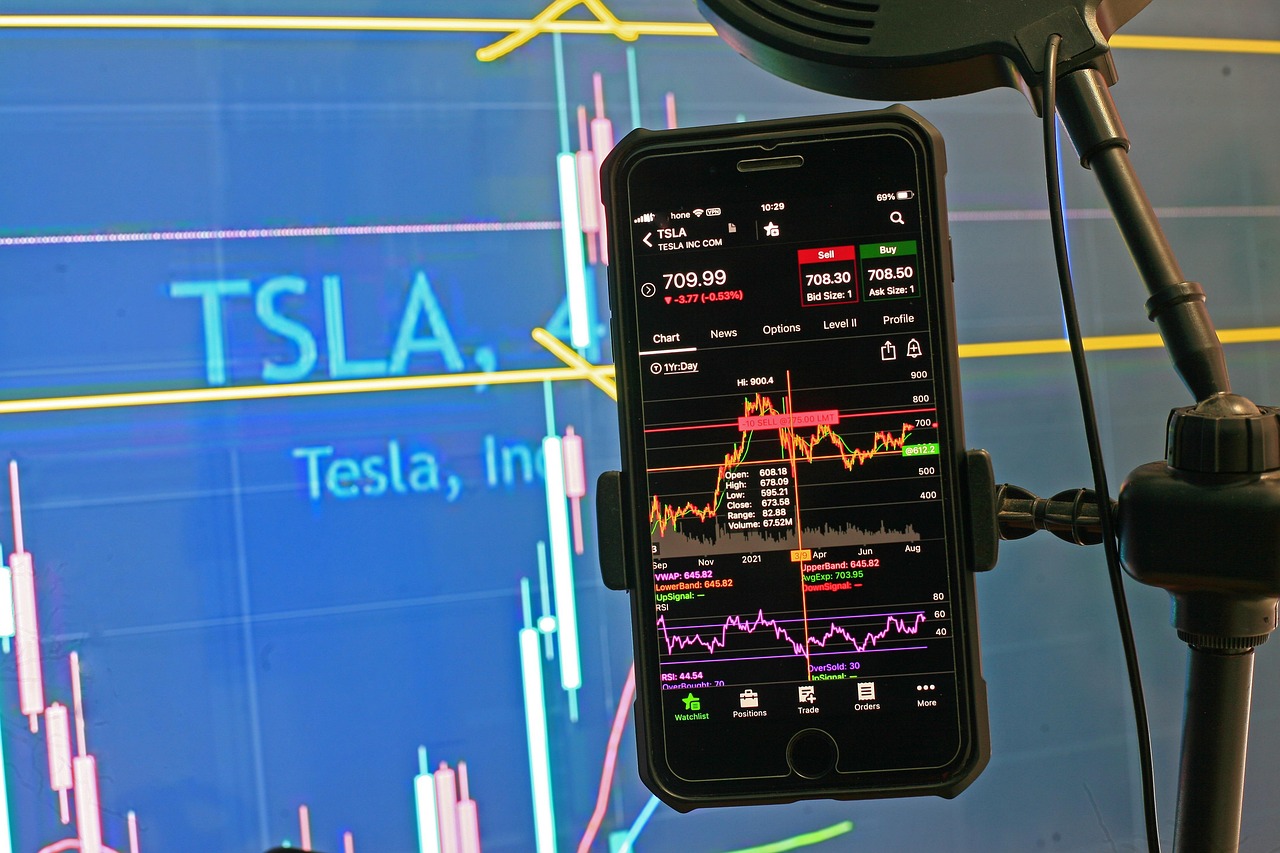
The world of investing can often feel like navigating a complex maze, especially with the constant ups and downs of the market. Many aspiring investors grapple with the daunting question: “When is the perfect time to invest?” This fear of buying at the top or selling at the bottom leads to paralysis for some and impulsive decisions for others. However, there’s a powerful, time-tested strategy that helps cut through this noise, offering a disciplined and systematic approach to building wealth over time: Dollar Cost Averaging (DCA). This method isn’t about perfectly timing the market; it’s about consistently participating in it, regardless of its short-term whims.
What is Dollar Cost Averaging?
Dollar Cost Averaging, commonly known as DCA, is an investment strategy in which an investor divides the total amount of money to be invested across periodic purchases of a target asset (like a stock or mutual fund) over a set period. The goal is to reduce the impact of volatility on the overall purchase price. Instead of making one large lump-sum investment, you invest a fixed amount of money at regular intervals (e.g., weekly, monthly, quarterly).
The Core Principle of DCA
- Fixed Investment Amount: You commit to investing a specific dollar amount each period, regardless of the asset’s price.
- Varying Share Purchases: When prices are high, your fixed investment buys fewer shares. When prices are low, the same fixed investment buys more shares.
- Averaging Out the Cost: Over time, this disciplined approach averages out the purchase price per share, potentially leading to a lower overall average cost than if you had tried to time the market.
DCA inherently embraces market fluctuations, turning periods of decline into opportunities to acquire more assets at a lower cost, positioning your portfolio for greater potential gains when the market eventually recovers.
Why DCA? The Benefits of a Disciplined Approach
Dollar Cost Averaging offers a multitude of advantages, particularly for long-term investors seeking to mitigate risk and cultivate strong financial habits. It transforms market volatility from a source of fear into a strategic asset.
Minimizes Market Timing Risk
One of the biggest challenges for investors is predicting market movements. DCA eliminates the need for this impossible task. By investing consistently, you don’t have to worry about buying at the “wrong” time. You’ll naturally buy some shares when prices are high and more when prices are low, smoothing out your average purchase price over time.
Reduces Emotional Investing
- Combats Panic Selling/Buying: Market downturns can trigger fear, leading investors to sell at a loss. Rallies can induce FOMO (Fear Of Missing Out), leading to buying at peaks. DCA automates your investments, removing emotion from the equation.
- Fosters Patience: It encourages a long-term perspective, focusing on consistent participation rather than short-term gains or losses.
Capitalizes on Volatility
This is where DCA truly shines. During periods of market decline, your fixed investment buys more shares at a lower price. This phenomenon, often called “buying the dip” automatically, means that when the market eventually recovers, you hold a larger number of shares, potentially leading to greater overall returns. Imagine investing $500 monthly: when a share costs $100, you buy 5 shares; when it drops to $50, you buy 10 shares with the same $500.
Promotes Long-Term Growth and Compound Interest
Consistent investment, even in small amounts, allows your money to benefit from the power of compounding. By regularly adding to your principal, not only does your initial investment grow, but the earnings from your investments also start earning returns themselves, accelerating wealth accumulation over the decades.
Simplicity and Accessibility
DCA is straightforward to understand and implement, making it an excellent strategy for beginners. Many brokerage platforms and retirement accounts (like 401(k)s and IRAs) allow you to set up automatic, recurring investments, making the process virtually effortless after the initial setup.
How Does DCA Work in Practice?
Understanding the theory is one thing; seeing it in action makes the concept truly click. Let’s walk through a practical example to illustrate how Dollar Cost Averaging works over time.
The Mechanism: Fixed Amount, Variable Shares
Imagine you decide to invest $200 every month into a specific stock or ETF. The number of shares you acquire each month will depend entirely on the market price of that asset at the time of your investment. This dynamic is the core of DCA.
Practical Example: Investing in a Volatile Asset
Let’s assume you’re investing $200 per month into “Tech Growth Fund” over six months. Here’s how your investments might play out:
| Month | Investment Amount | Price Per Share | Shares Purchased |
|---|---|---|---|
| 1 (January) | $200 | $50 | 4.00 |
| 2 (February) | $200 | $40 | 5.00 |
| 3 (March) | $200 | $30 | 6.67 |
| 4 (April) | $200 | $45 | 4.44 |
| 5 (May) | $200 | $55 | 3.64 |
| 6 (June) | $200 | $60 | 3.33 |
| Total | $1200 | 27.08 |
At the end of six months, you’ve invested a total of $1,200 and acquired 27.08 shares. Your average purchase price per share is $1,200 / 27.08 shares = $44.31 per share.
Notice that the average market price over these six months was ($50+$40+$30+$45+$55+$60)/6 = $46.67. Your DCA average purchase price of $44.31 is lower than the simple average market price, illustrating how DCA helps you buy more when prices are low.
When is DCA Most Effective?
While generally beneficial, Dollar Cost Averaging particularly shines in certain market conditions and for specific investor profiles. Understanding these scenarios can help you maximize its potential.
Volatile or Declining Markets
DCA truly demonstrates its strength when markets are turbulent or experiencing a downward trend. These are precisely the times when emotional investors might retreat, but DCA investors are automatically buying more shares at lower prices, setting themselves up for significant gains when the market inevitably recovers. Historically, markets have trended upwards over the long term, making downturns valuable accumulation periods for DCA investors.
Long-Term Financial Goals
If your investment horizon spans many years – for retirement planning, a child’s education fund, or a future home purchase – DCA is an ideal strategy. It aligns perfectly with goals that benefit from consistent growth and compounding over decades. The short-term fluctuations become less relevant as the focus remains on accumulating assets over the long haul.
Investors with Regular Income
For individuals receiving regular paychecks (e.g., bi-weekly or monthly), DCA is a natural fit. You can easily set up automatic deductions from your bank account to your investment portfolio, seamlessly integrating investing into your budget and financial routine. This makes saving and investing a habit rather than a sporadic effort.
New or Inexperienced Investors
DCA provides a gentle entry point into the investment world. It removes the pressure of having to make complex timing decisions, allowing new investors to focus on understanding their chosen assets and building a diversified portfolio without the added stress of market prognostication. Its simplicity makes it easy to stick with.
Potential Downsides and Considerations
While Dollar Cost Averaging is a robust strategy, it’s important to be aware of its limitations and consider when other approaches might be more suitable. No investment strategy is without its nuances.
Underperforming in Strong Bull Markets
In a consistently rising bull market, a lump-sum investment (investing all your money at once) might outperform DCA. If the market only goes up, buying all shares at the earliest possible point generally yields the highest return. With DCA, you’re spreading out purchases, meaning some of your money will be invested at higher prices later in the rally, potentially leaving some gains on the table compared to a single upfront investment.
- Academic Research: Studies often show that statistically, lump-sum investing tends to outperform DCA in continuously rising markets simply because markets tend to rise over time. However, this assumes you have a large sum available and the confidence to deploy it all at once, which is a significant psychological hurdle for many.
Transaction Costs (Less Relevant Today)
Historically, frequent small trades associated with DCA could incur higher transaction fees (commissions) than a single lump-sum trade. However, with the rise of commission-free trading platforms for stocks, ETFs, and even some mutual funds, this concern has largely diminished for most retail investors. Always check your broker’s fee structure.
Not a Guarantee Against Losses
DCA reduces market timing risk and helps lower your average purchase price, but it does not eliminate investment risk entirely. If the market or your chosen asset performs poorly over the entire investment horizon and never recovers, you could still lose money. DCA is a strategy for managing risk, not eradicating it.
Requires Discipline and Patience
For DCA to work effectively, you must commit to the strategy consistently, investing regularly regardless of market sentiment. If you stop investing during a downturn, you miss out on the opportunity to buy shares at lower prices, undermining the core benefit of the strategy. It requires a long-term mindset and the patience to ride out market cycles.
Implementing DCA: Practical Tips for Success
Ready to put Dollar Cost Averaging to work for your financial future? Here are some actionable tips to effectively implement and maintain your DCA strategy.
Automate Your Investments
The easiest way to stick to DCA is to automate it. Set up recurring transfers from your checking or savings account directly into your investment account. Most brokerage firms and 401(k) or IRA providers offer this functionality. Automation ensures consistency, removes emotional decision-making, and makes investing a seamless part of your financial routine.
- Actionable Takeaway: Log into your brokerage or retirement account and explore options for setting up automatic recurring investments. Choose a frequency (weekly, bi-weekly, monthly) that aligns with your pay schedule.
Choose the Right Investment Vehicles
DCA works well with a variety of investment instruments. Consider:
- ETFs (Exchange-Traded Funds): Offer diversification across various stocks or sectors, often with low expense ratios.
- Mutual Funds: Professionally managed funds that pool money from many investors.
- Index Funds: A type of mutual fund or ETF that tracks a specific market index (e.g., S&P 500), offering broad market exposure and typically low costs.
- Individual Stocks: While possible, DCA into individual stocks requires more research and may increase risk if not diversified. It’s often best for core holdings rather than highly speculative positions.
Focus on broadly diversified, low-cost funds for the best long-term results.
Determine Your Investment Amount
Invest an amount that is consistent and sustainable for your budget. It’s better to invest a smaller, consistent amount than to sporadically invest large sums that strain your finances. Start with what you can comfortably afford and increase it as your income grows.
- Actionable Takeaway: Review your monthly budget. Can you realistically allocate $50, $100, $250, or more to investments without compromising essential expenses? Start there and aim to increase it annually.
Be Patient and Stay Consistent
DCA is not a get-rich-quick scheme. Its power lies in its consistency over long periods. Market downturns are part of the process; view them as opportunities to acquire more shares. Resist the urge to stop investing or drastically alter your strategy based on short-term market noise.
- Actionable Takeaway: Commit to your DCA plan for at least 5-10 years, preferably longer. Understand that market fluctuations are normal and part of the journey to long-term wealth.
Review and Adjust Periodically
While automation is key, it’s wise to review your investment strategy and portfolio periodically (e.g., annually). This allows you to:
- Ensure your investment choices still align with your financial goals and risk tolerance.
- Rebalance your portfolio if certain asset classes have grown disproportionately.
- Adjust your investment amount if your income or expenses have changed significantly.
Conclusion
Dollar Cost Averaging stands out as a powerful, disciplined, and accessible investing strategy, particularly for those looking to navigate the often-unpredictable tides of the financial markets without succumbing to emotional decision-making. By committing to regular investments of a fixed amount, you effectively minimize market timing risk, capitalize on volatility, and harness the enduring power of compounding for long-term wealth accumulation.
Whether you’re a seasoned investor or just starting your financial journey, DCA offers a clear path to building a robust investment portfolio over time. It’s a testament to the idea that slow and steady often wins the race, proving that consistent action, rather than perfect prediction, is key to achieving your financial goals. Embrace the simplicity and strength of Dollar Cost Averaging, and watch your wealth grow, one consistent investment at a time.