In an increasingly interconnected yet paradoxically centralized digital world, a powerful counter-movement is gaining unprecedented momentum: decentralization. This transformative concept is more than just a buzzword; it represents a fundamental shift in how we build, interact with, and govern our digital infrastructure, data, and even our economies. From empowering individuals with greater control over their assets and information to fostering unprecedented levels of transparency and resilience, decentralization is reshaping industries, challenging traditional power structures, and paving the way for a more equitable and robust digital future. Let’s delve into the intricate layers of decentralization and explore its profound impact.
Understanding Decentralization: A Paradigm Shift
At its core, decentralization is about distributing power and control away from a single, central authority. Instead of relying on a hub-and-spoke model where all interactions flow through one gatekeeper, decentralized systems operate on a network where participants interact directly with each other, sharing responsibility and validating information collectively. This fundamental design choice introduces a new era of trust and autonomy.
What is Decentralization?
Imagine a traditional financial institution: a central bank or a commercial bank holds all transaction records, controls access to funds, and dictates policies. This is a centralized system. If that central entity fails, is breached, or acts maliciously, the entire system can collapse or be compromised. In contrast, a decentralized system distributes these functions across many participants (nodes) in a network. There’s no single point of control or failure.
- No Single Point of Failure: If one node goes down, the network continues to operate seamlessly because other nodes can pick up the slack.
- Distributed Consensus: Agreement on the state of the system is reached collectively by network participants, rather than being dictated by a central authority.
- Peer-to-Peer Interaction: Participants communicate directly with each other without needing an intermediary.
Why is Decentralization Gaining Traction?
The rise of decentralization is a direct response to the inherent vulnerabilities and ethical concerns associated with overly centralized systems, which have become prevalent in the digital age. The benefits offered by decentralization address many of these critical pain points:
- Enhanced Security and Resilience: With no central target, decentralized networks are significantly harder to attack or take down. Data is often replicated across many nodes, making it highly resilient to loss.
- Increased Transparency and Immutability: In many decentralized systems (like blockchains), all transactions and data changes are publicly verifiable and irreversible, fostering trust and accountability.
- Censorship Resistance: Without a central entity to block or control information flow, decentralized platforms are inherently resistant to censorship, allowing for free expression and access to data.
- User Empowerment and Ownership: Decentralization shifts control from corporations and governments back to individual users, giving them true ownership over their data, assets, and online identities.
- Reduced Intermediary Costs: By removing middlemen, decentralized systems can significantly reduce transaction fees and operational costs.
Actionable Takeaway: Take a moment to consider the centralized services you use daily – social media, banking, cloud storage. How would their functions and your relationship with them change if they were decentralized?
The Core Pillars of Decentralization
Decentralization isn’t a singular technology but a design philosophy underpinned by several key technological innovations and concepts that work in tandem to create robust, distributed networks.
Distributed Ledger Technology (DLT) & Blockchain
Distributed Ledger Technology (DLT) is the foundational innovation for many decentralized systems. It’s a decentralized database managed by multiple participants, allowing for transparency, immutability, and security without a central administrator. Blockchain is the most prominent type of DLT.
- Blockchain Explained: A blockchain is a chain of blocks, where each block contains a list of transactions. These blocks are cryptographically linked together, making it nearly impossible to alter past transactions without detectable changes to subsequent blocks. This creates an immutable, chronological record.
- Key Characteristics: Immutability (records cannot be changed), transparency (all participants can see transactions), and cryptographic security ensure data integrity.
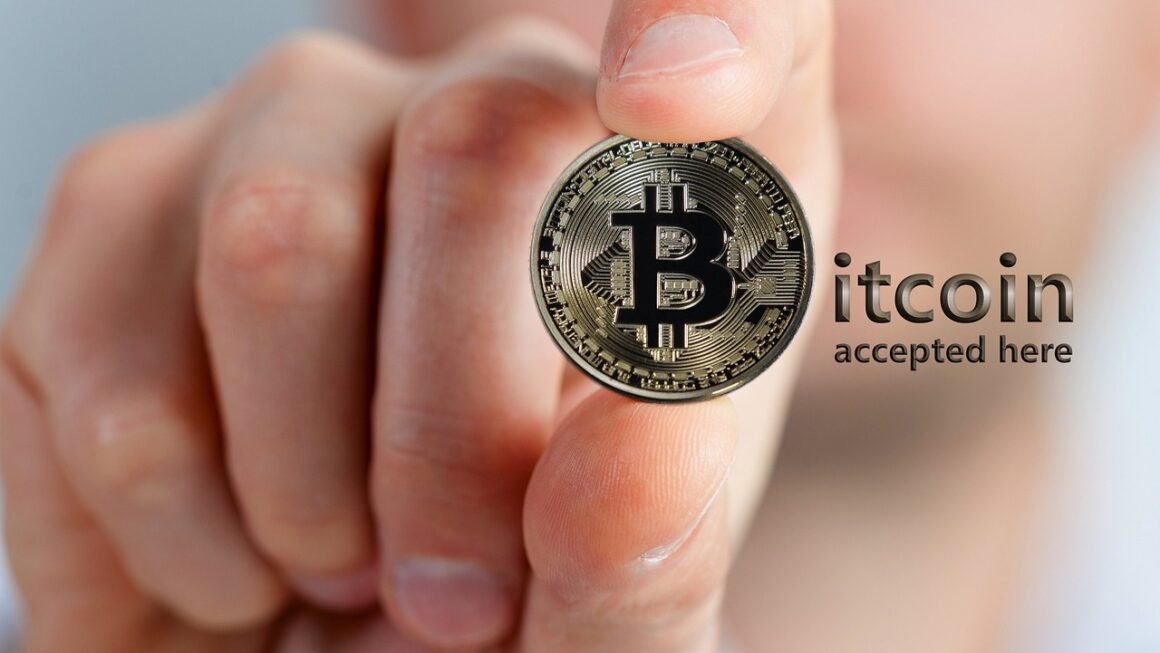
- Practical Example: Bitcoin, the world’s first widely adopted decentralized digital currency, uses blockchain to record every transaction. Every user can verify the entire transaction history, ensuring no single entity can create money out of thin air or double-spend.
Peer-to-Peer (P2P) Networks
P2P networking is an architecture where individual nodes (computers or devices) in a network communicate directly with each other, sharing resources and processing power without the need for a central server. This distributed approach forms the backbone of decentralized applications.
- Direct Interaction: Instead of clients connecting to a central server, P2P enables direct connections between users.
- Resilience: The absence of a central server makes the network highly resilient to failures; if one peer goes offline, others continue to operate.
- Examples: Early file-sharing applications like Napster and BitTorrent popularized P2P. More recently, decentralized applications (dApps) leverage P2P for data sharing and transaction broadcasting.
Open Source & Community Governance
The ethos of decentralization often aligns with open-source development and community-driven decision-making. Open-source means the underlying code is publicly available, allowing anyone to audit, contribute to, and build upon it, fostering transparency and innovation.
- Decentralized Autonomous Organizations (DAOs): These are organizations governed by code and community members rather than a centralized entity. Decisions are made through voting on proposals, often facilitated by smart contracts.
- Transparency in Governance: All governance processes, including proposals and votes, are typically recorded on a public blockchain, ensuring transparency and accountability.
- Example: Many DeFi protocols and Web3 projects are governed by DAOs, allowing token holders to vote on key parameters, upgrades, and treasury management.
Actionable Takeaway: Research a well-known blockchain project (e.g., Ethereum) and explore its public transaction history or look into how its governance decisions are made by its community.
Decentralization Across Industries: Real-World Impact
The theoretical benefits of decentralization are now manifesting as tangible changes across a wide spectrum of industries, promising more efficient, transparent, and user-centric systems.
Finance (DeFi)
Perhaps the most prominent application of decentralization is in finance, giving rise to Decentralized Finance (DeFi). DeFi aims to recreate traditional financial services (lending, borrowing, trading, insurance) using blockchain technology, making them accessible to anyone with an internet connection, without intermediaries.
- Financial Inclusion: Billions of people globally lack access to basic banking services. DeFi can onboard them into a global financial system with just a smartphone.
- Transparency and Auditability: All transactions and smart contract code are transparent on the blockchain, reducing fraud and increasing trust.
- Permissionless Access: Anyone can participate in DeFi protocols without needing permission from a bank or institution.
- Examples:
- Lending & Borrowing: Protocols like Aave and Compound allow users to lend crypto assets to earn interest or borrow by providing collateral.
- Decentralized Exchanges (DEXs): Uniswap and SushiSwap enable peer-to-peer trading of cryptocurrencies directly from user wallets, without a central order book.
- Stablecoins: Cryptocurrencies pegged to stable assets like the US dollar (e.g., DAI, USDC) facilitate stable transactions within the DeFi ecosystem.
Web3 & Internet Infrastructure
Web3 is the vision for a decentralized internet, moving beyond the current “Web2” model dominated by large tech giants. It aims to put ownership and control of data back into the hands of users.
- Decentralized Storage: Services like IPFS (InterPlanetary File System) and Filecoin offer decentralized alternatives to centralized cloud storage, making data more resilient and censorship-resistant.
- Self-Sovereign Identity (SSI): Users gain control over their digital identities, choosing what information to share and with whom, rather than relying on third-party identity providers.
- Decentralized Social Media: Platforms like Mastodon or applications leveraging blockchain aim to prevent single entities from controlling content or user data.
- Monetization Models: Web3 enables new ways for creators and users to monetize their content and data directly, often through tokenization and NFTs (Non-Fungible Tokens).
Supply Chain & Logistics
Decentralization, particularly through blockchain, can revolutionize supply chain management by providing unprecedented transparency and traceability from source to consumer.
- Enhanced Traceability: Every step of a product’s journey, from raw material sourcing to delivery, can be recorded on an immutable ledger.
- Counterfeit Prevention: Consumers can verify the authenticity of products by scanning QR codes linked to blockchain records.
- Increased Efficiency: Smart contracts can automate payments and logistics based on pre-defined conditions, reducing delays and paperwork.
- Example: IBM Food Trust uses blockchain to track food products, allowing retailers and consumers to quickly trace contaminated items back to their source, improving food safety.
Gaming & Metaverse
Decentralization is transforming the gaming industry by introducing true digital ownership and new economic models.
- Play-to-Earn (P2E): Gamers can earn cryptocurrency or NFTs by playing games, which they truly own and can trade or sell.
- NFTs for In-Game Assets: Unique digital assets (skins, weapons, land) are represented as NFTs, giving players provable ownership and interoperability across virtual worlds.
- Decentralized Virtual Worlds (Metaverse): Platforms like The Sandbox and Decentraland allow users to own virtual land, create experiences, and participate in governance, building truly user-owned metaverses.
- Example: In Axie Infinity, players own their Axie NFTs, which they can breed, battle, and trade, earning cryptocurrency for their efforts.
Actionable Takeaway: Explore a DeFi protocol’s dashboard (e.g., Aave) to see how assets are being lent and borrowed, or check out a Web3-enabled browser like Brave to experience a more private browsing environment.
Challenges and the Road Ahead
While the promise of decentralization is vast, its journey to mainstream adoption is not without significant hurdles. Addressing these challenges is crucial for its long-term success and widespread impact.
Scalability & Performance
One of the most persistent challenges for decentralized networks, especially public blockchains, is scalability. Processing a large number of transactions quickly and affordably remains a key bottleneck.
- Transaction Throughput: Early blockchains like Ethereum faced limitations in transactions per second (TPS), leading to high fees and slow confirmations during peak usage.
- Solutions:
- Layer 2 Solutions: Technologies like optimistic rollups and ZK-rollups process transactions off the main blockchain (Layer 1) and then batch them for final settlement, significantly increasing throughput.
- Sharding: Dividing a blockchain into smaller, more manageable segments (shards) that can process transactions in parallel.
- Alternative Consensus Mechanisms: Moving from Proof-of-Work (PoW) to Proof-of-Stake (PoS) reduces energy consumption and improves scalability.
User Experience & Accessibility
For decentralization to become mainstream, it needs to be as intuitive and user-friendly as its centralized counterparts. The current landscape can be complex for newcomers.
- Complexity: Managing private keys, understanding gas fees, and navigating different protocols can be daunting for average users.
- Onboarding: The process of getting started with decentralized applications often requires technical knowledge.
- Focus on UX/UI: Developers are actively working on creating more intuitive interfaces, simpler wallet solutions, and abstracting away technical complexities to improve accessibility.
Regulatory Landscape
The rapidly evolving nature of decentralized technologies presents a significant challenge for regulators globally. Clarity and consistent frameworks are still largely absent.
- Uncertainty: The lack of clear regulations creates uncertainty for businesses and investors, hindering innovation and adoption.
- Balancing Act: Regulators face the complex task of protecting consumers and preventing illicit activities without stifling innovation.
- Global Coordination: Given the borderless nature of decentralized networks, international cooperation on regulatory standards is essential.
Security Risks & Governance Issues
While decentralized systems are resilient to certain attacks, they introduce new security and governance challenges.
- Smart Contract Vulnerabilities: Bugs or flaws in the code of smart contracts can lead to significant financial losses, as seen in numerous past hacks.
- Private Key Management: Users are solely responsible for securing their private keys; loss means permanent loss of assets.
- Decentralized Governance Effectiveness: Challenges include voter apathy, the potential for “whale” (large token holder) control, and the difficulty of rapid decision-making in emergencies.
Actionable Takeaway: Keep an eye on new developments in Layer 2 scaling solutions and user-friendly wallet innovations (e.g., account abstraction) that aim to simplify the decentralized experience.
Conclusion
Decentralization is more than a technological trend; it’s a powerful philosophical movement driving a fundamental restructuring of our digital world. By distributing power, enhancing transparency, and empowering individual users, it offers compelling solutions to many of the critical challenges posed by our current centralized systems. While significant hurdles in scalability, user experience, and regulation remain, the relentless innovation within the decentralized ecosystem is steadily addressing these issues.
From revolutionizing finance with DeFi to building a user-owned internet with Web3, and transforming supply chains with enhanced traceability, decentralization promises a future that is more secure, resilient, equitable, and democratic. As we continue to navigate the complexities of the digital age, understanding and engaging with decentralization will be crucial for anyone looking to truly participate in and shape the future of technology and society. The decentralized revolution is well underway, inviting us all to become active participants in building a better digital tomorrow.