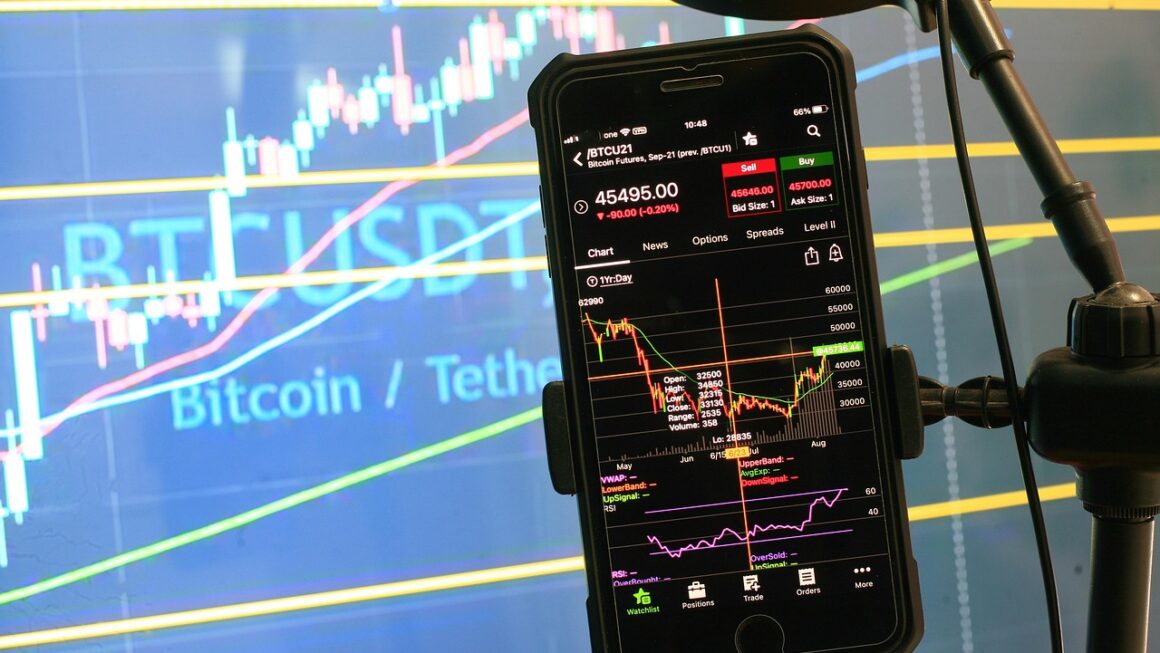
In a world where every click, swipe, and exchange of value defines our daily rhythm, understanding the fundamental concept of “transactions” is more crucial than ever. From grabbing your morning coffee to executing complex global financial deals, transactions are the unseen engines powering economies, connecting individuals, and driving technological advancement. They are the definitive acts that move value, information, or agreement from one point to another, forming the bedrock of commerce, communication, and even data integrity. Delve into this comprehensive guide to uncover the multifaceted world of transactions, their inner workings, and their profound impact on our digital lives and beyond.
Understanding the Core of Transactions
At its heart, a transaction is an agreement or an exchange between two or more parties. It’s the moment when something of value changes hands, whether that value is monetary, informational, or even a commitment. Grasping this core concept is essential for anyone participating in modern society, from consumers to business leaders.
What is a Transaction?
A transaction can be formally defined as a complete unit of work that either fully completes its operations or has no effect at all. This “all or nothing” principle is critical across various domains. It ensures integrity and reliability, preventing partial updates or inconsistent states.
- Parties Involved: Typically, a buyer and a seller, but can extend to multiple entities in complex scenarios.
- Value Exchanged: This can be money, goods, services, data, or even a promise.
- Agreement: An understanding or contract (explicit or implicit) that governs the exchange.
- Record-Keeping: Most transactions leave an audit trail, essential for accountability and analysis.
Example: When you buy a book online, the transaction involves you (buyer), the e-commerce store (seller), the book (good), your payment (money), and the agreement to fulfill the order. All these elements must successfully complete for the transaction to be considered valid.
Types of Transactions
Transactions manifest in diverse forms, each with unique characteristics and implications.
- Financial Transactions: Involve the exchange of money for goods, services, or assets.
- Examples: Purchasing groceries, paying bills, stock market trades, bank transfers.
- Business Transactions: Broader than just financial, these encompass any event that affects the financial position of a business.
- Examples: Recording sales, payroll processing, purchasing supplies, contract agreements.
- Database Transactions: A sequence of operations performed as a single logical unit of work. Essential for maintaining data integrity in software systems.
- Examples: Updating a customer record, transferring funds between accounts in a banking system.
- Legal Transactions: Actions or agreements with legal consequences.
- Examples: Signing a contract, property transfer, forming a partnership.
Why Transactions Matter
Transactions are the lifeblood of economic activity and critical for maintaining trust and order.
- Economic Engine: They facilitate the flow of goods, services, and capital, stimulating growth and innovation.
- Trust and Reliability: Well-managed transactions build confidence among parties, fostering repeat business and stable relationships.
- Accountability: They provide clear records, crucial for accounting, audits, and dispute resolution.
- Data Integrity: In technological systems, transactions ensure that data remains consistent and accurate, preventing errors and corruption.
Actionable Takeaway: Recognize the transactional nature of daily interactions. For businesses, clearly defining and documenting transaction types is the first step towards robust financial management and operational efficiency.
The Anatomy of a Financial Transaction
Financial transactions are arguably the most common and complex type, involving multiple parties and sophisticated technological infrastructure. Understanding their components and stages is key to appreciating their seamless (or sometimes not so seamless) execution.
Key Components of a Financial Transaction
A typical financial transaction, especially digital ones, involves several critical players and systems.
- Initiator (Payer): The individual or entity making the payment (e.g., you buying shoes).
- Receiver (Payee): The individual or entity receiving the payment (e.g., the shoe store).
- Asset: The item of value being exchanged (e.g., shoes, service, information).
- Payment Method: The instrument used for payment (e.g., credit card, debit card, digital wallet, bank transfer).
- Payment Gateway: A service that authorizes credit card payments for e-businesses and online retailers. It encrypts sensitive card details.
- Acquiring Bank: The bank that processes credit and debit card transactions on behalf of a merchant.
- Issuing Bank: The bank that issued the credit or debit card to the customer.
- Card Networks: Global networks (Visa, MasterCard, American Express) that facilitate communication between issuing and acquiring banks.
Stages of a Transaction Lifecycle
A digital financial transaction typically progresses through several stages from initiation to completion.
- Authorization: The merchant requests approval from the issuing bank (via the payment gateway and card network) to confirm the cardholder has sufficient funds/credit. This typically takes seconds.
- Authentication (Optional but Common): For online transactions, additional security layers like 3D Secure (e.g., Verified by Visa, MasterCard SecureCode) might require the cardholder to verify their identity.
- Settlement: Once authorized, the transaction moves into settlement. The acquiring bank sends the transaction details to the card network, which then requests funds from the issuing bank.
- Clearing: Funds are transferred from the issuing bank to the acquiring bank, and then from the acquiring bank to the merchant’s bank account. This stage can take 1-3 business days depending on the method and geography.
- Funding: The final stage where the merchant receives the actual funds in their business bank account.
Common Payment Methods and Their Characteristics
The choice of payment method significantly impacts transaction speed, cost, and security.
- Credit/Debit Cards: Widely accepted, instant authorization, but involve fees for merchants (interchange, assessment, processor fees).
- Bank Transfers (ACH/Wires):
- ACH (Automated Clearing House): Common for recurring payments (salaries, bills) in the US. Lower fees, but slower processing (1-3 days).
- Wire Transfers: Faster than ACH, often used for large sums, but typically higher fees and irreversible.
- Digital Wallets (PayPal, Apple Pay, Google Pay): Offer convenience and enhanced security (tokenization), often leveraging underlying card or bank accounts. Gaining significant traction.
- Cryptocurrencies (Bitcoin, Ethereum): Decentralized, peer-to-peer, immutable, and often lower transaction fees but can be volatile and less widely accepted.
Actionable Takeaway: As a consumer, be aware of the security features of your chosen payment method. For businesses, optimize your payment gateway and offer diverse payment options to cater to customer preferences while managing costs and ensuring security.
Transactions in the Digital Age: E-commerce and Beyond
The internet has revolutionized transactions, transforming how we buy, sell, and interact. E-commerce platforms, mobile payments, and sophisticated security measures have made digital transactions an indispensable part of modern life.
The Rise of Online Transactions
Online transactions have grown exponentially, driven by convenience, global reach, and technological advancements. The global e-commerce market size was valued at USD 16.6 trillion in 2022 and is projected to grow significantly.
- Convenience: 24/7 access, ability to shop from anywhere.
- Global Reach: Businesses can sell to customers worldwide without physical presence.
- Increased Competition: Easier for new businesses to enter markets, leading to more choices for consumers.
- Data Collection: Online transactions generate valuable data for personalization and business intelligence.
Security Measures for Digital Transactions
With increased convenience comes increased risk. Robust security is paramount for protecting sensitive financial information.
- Encryption (SSL/TLS): Secures data in transit between your browser and the server, making it unreadable to unauthorized parties. Look for “https://” in the URL.
- Tokenization: Replaces sensitive card data with a unique, randomly generated “token” that is useless if intercepted. This token is used for processing, while the actual card data is stored securely offline.
- Fraud Detection Systems: AI and machine learning algorithms analyze transactional data in real-time to identify suspicious patterns and prevent fraudulent transactions before they complete.
- Multi-Factor Authentication (MFA): Requires more than one method of verification (e.g., password + one-time code to phone) to confirm identity, significantly enhancing security.
- PCI DSS Compliance: A set of security standards for all organizations that store, process, or transmit credit card information, ensuring a secure environment.
Example: When you use Apple Pay, your actual card number is never transmitted or stored on your device or Apple servers. Instead, a unique Device Account Number is encrypted and stored, and each transaction is authorized with a unique, one-time dynamic security code.
Impact of Mobile Payments and Apps
Mobile devices have become central to the transaction experience, with mobile commerce growing rapidly.
- NFC (Near Field Communication) Payments: Tap-to-pay convenience using smartphones or smartwatches at point-of-sale terminals.
- In-App Purchases: Seamless buying experiences directly within mobile applications.
- Peer-to-Peer (P2P) Payments: Apps like Venmo and Zelle allow instant money transfers between individuals.
- QR Code Payments: Popular in many regions, allowing quick scans to initiate payments.
Actionable Takeaway: For consumers, always prioritize shopping on secure websites and using strong, unique passwords. For businesses, invest in robust fraud prevention tools and ensure your website is PCI DSS compliant and mobile-friendly to build customer trust and capture market share.
Beyond Finance: Transactions in Technology & Data
The concept of a transaction extends far beyond monetary exchanges, forming a critical pillar in computer science, database management, and emerging technologies like blockchain. These technological transactions uphold data integrity and system reliability.
Database Transactions and ACID Properties
In database management systems (DBMS), a transaction is a single logical unit of work, comprising one or more operations. Its core purpose is to maintain data integrity and consistency. This is governed by the ACID properties:
- Atomicity: Ensures that all operations within a transaction are either fully completed (“committed”) or completely undone (“rolled back”). There’s no half-way state.
- Example: A bank transfer deducting money from Account A and adding it to Account B must fully complete both operations or none at all. If one fails, both fail.
- Consistency: Guarantees that a transaction brings the database from one valid state to another. It ensures that data remains valid according to defined rules (constraints, triggers).
- Example: An inventory system might have a rule that stock cannot go below zero. A transaction attempting this would be rolled back.
- Isolation: Ensures that concurrent transactions do not interfere with each other. Each transaction appears to execute independently, as if it’s the only one running.
- Example: Two users simultaneously trying to book the last seat on a flight. Isolation ensures only one succeeds, and the other is informed the seat is taken.
- Durability: Guarantees that once a transaction has been committed, its changes are permanent and will survive any subsequent system failures (e.g., power outages, crashes).
- Example: After saving a document, the changes will persist even if your computer crashes moments later.
Blockchain Transactions
Blockchain technology fundamentally redefines how transactions are recorded and verified, moving towards decentralization and enhanced transparency.
- Decentralization: Transactions are not stored on a single central server but on a distributed ledger across a network of computers (nodes).
- Immutability: Once a transaction is recorded on the blockchain and added to a block, it cannot be altered or deleted. This creates a permanent, tamper-proof record.
- Transparency (Pseudonymous): All transactions are publicly visible on the network, though participants are identified by cryptographic addresses (pseudonyms) rather than real names.
- Cryptographic Security: Each transaction is cryptographically signed, ensuring its authenticity and integrity.
- Consensus Mechanisms: (e.g., Proof of Work, Proof of Stake) are used by nodes to agree on the validity of transactions and the order of blocks, preventing double-spending.
Example: A Bitcoin transaction involves a sender, a receiver, an amount, and a digital signature. Once verified by the network, it’s added to a block and becomes an irreversible part of the blockchain history.
APIs and Transactional Integrations
Application Programming Interfaces (APIs) enable different software systems to communicate and perform transactions seamlessly.
- Seamless Data Flow: APIs allow businesses to integrate payment gateways, shipping providers, CRM systems, and accounting software, automating complex workflows.
- Real-time Processing: Many APIs facilitate real-time transactional data exchange, enabling instant updates and decisions.
- Scalability: Well-designed APIs can handle a high volume of transactions, allowing businesses to scale operations efficiently.
Actionable Takeaway: For developers and IT professionals, mastering ACID properties is fundamental for building reliable systems. For businesses exploring new technologies, understanding blockchain’s transactional model can open doors to innovative solutions for supply chain management, digital identity, and more transparent record-keeping.
Optimizing Transaction Processing for Business Growth
Efficient transaction processing is not just about moving money; it’s a strategic imperative for businesses aiming for growth, customer satisfaction, and operational excellence. Optimizing this process can lead to significant competitive advantages.
Streamlining Operations and Reducing Friction
Inefficient transaction processes can deter customers and drain resources. Streamlining is key.
- Automation: Automate repetitive tasks like invoicing, payment reminders, and reconciliation. This reduces manual errors and frees up staff for more strategic work.
- User-Friendly Interfaces: Ensure checkout processes, payment forms, and data entry systems are intuitive and easy to navigate. A complex checkout process leads to significant cart abandonment (globally, the average e-commerce cart abandonment rate is around 70%).
- Minimize Steps: Reduce the number of clicks or fields required to complete a transaction. Offer guest checkout options.
- Integration: Integrate all transactional systems (CRM, ERP, accounting, payment gateways) to ensure data consistency and eliminate redundant data entry.
Enhancing Customer Experience Through Transactions
A smooth transaction experience directly translates to happier customers and increased loyalty.
- Speed: Fast transaction processing (both online and offline) is crucial. No one likes waiting.
- Security Reassurance: Clearly communicate security measures (e.g., “SSL Secure,” trusted payment logos) to build customer confidence.
- Payment Method Choice: Offer a variety of popular payment options to cater to diverse customer preferences.
- Transparency: Provide clear communication about transaction status, delivery times, and any associated fees.
- Easy Refunds/Returns: A hassle-free process for resolving issues can turn a negative experience into a positive one.
Leveraging Transactional Data for Insights
Every transaction is a data point, offering valuable insights that can drive business strategy.
- Customer Behavior Analysis: Understand purchasing patterns, popular products, average transaction value (AOV), and peak shopping times.
- Fraud Prevention: Analyze historical transaction data to improve fraud detection algorithms and identify emerging threats.
- Personalization: Use transaction history to offer personalized recommendations and promotions, enhancing customer engagement.
- Inventory Management: Predict demand based on sales transactions to optimize stock levels and reduce waste.
- Performance Monitoring: Track key metrics like conversion rates, payment success rates, and chargeback rates to identify areas for improvement.
Compliance and Regulatory Adherence
Operating within legal and ethical boundaries is non-negotiable for transactional integrity.
- PCI DSS (Payment Card Industry Data Security Standard): Mandatory for any entity that processes, stores, or transmits credit card data. Non-compliance can lead to hefty fines and reputational damage.
- GDPR (General Data Protection Regulation) / CCPA (California Consumer Privacy Act): Regulations governing the privacy and protection of personal data, including data collected during transactions.
- AML (Anti-Money Laundering) / KYC (Know Your Customer): Regulations designed to prevent illegal financial activities. Businesses must verify customer identities and report suspicious transactions.
- Tax Regulations: Ensure all transactions are accurately recorded and taxed according to local and international laws.
Actionable Takeaway: Regularly review and optimize your transactional workflows. Invest in technologies that enhance security, automate processes, and provide actionable data analytics. Staying compliant with regulations is not just a legal obligation but a foundation for building trust and a sustainable business.
Conclusion
Transactions are far more than just financial exchanges; they are the fundamental building blocks of our interconnected world. From the intricate dance of bits and bytes in a database to the global flow of commerce, understanding their mechanisms, security implications, and potential for optimization is crucial for individuals and organizations alike. They empower economic growth, ensure data integrity, and facilitate seamless interactions across digital and physical realms.
As technology continues to evolve, transactions will only become more sophisticated, secure, and integrated into our daily lives. By embracing best practices in security, leveraging data for intelligent insights, and continuously optimizing processes, we can all contribute to a more efficient, trustworthy, and prosperous transactional landscape. The future of commerce, technology, and trust hinges on how effectively we manage and master the art of the transaction.