The digital world is constantly evolving, and few innovations have captured public imagination—and confusion—quite like Non-Fungible Tokens, or NFTs. Once an obscure concept, NFTs have exploded into the mainstream, with headlines proclaiming everything from multi-million dollar digital art sales to the creation of entire virtual economies. But what exactly are these unique digital assets, and why are they touted as a cornerstone of the future internet, Web3? Beyond the hype and the headlines, NFTs represent a paradigm shift in how we perceive and prove ownership in a digital realm, offering creators new avenues and users unprecedented control. This comprehensive guide will demystify NFTs, exploring their underlying technology, diverse applications, and the opportunities and challenges they present.
What Exactly Are NFTs? Unpacking the Digital Asset
At its core, an NFT is a unit of data stored on a digital ledger, called a blockchain, that certifies a digital asset to be unique and therefore not interchangeable. Think of it as a one-of-a-kind digital certificate of authenticity and ownership.
The Core Concept: Unique Digital Ownership
- Non-Fungible: This is the key distinguishing factor. ‘Fungible’ means an item can be replaced by another identical item (e.g., one US dollar bill is interchangeable with any other US dollar bill). ‘Non-fungible’ means it’s unique and cannot be replaced by something else. Each NFT has a unique identifier.
- Token: In this context, ‘token’ refers to a digital asset that resides on a blockchain. This digital asset can represent various forms of media, from art and music to virtual land and collectibles.
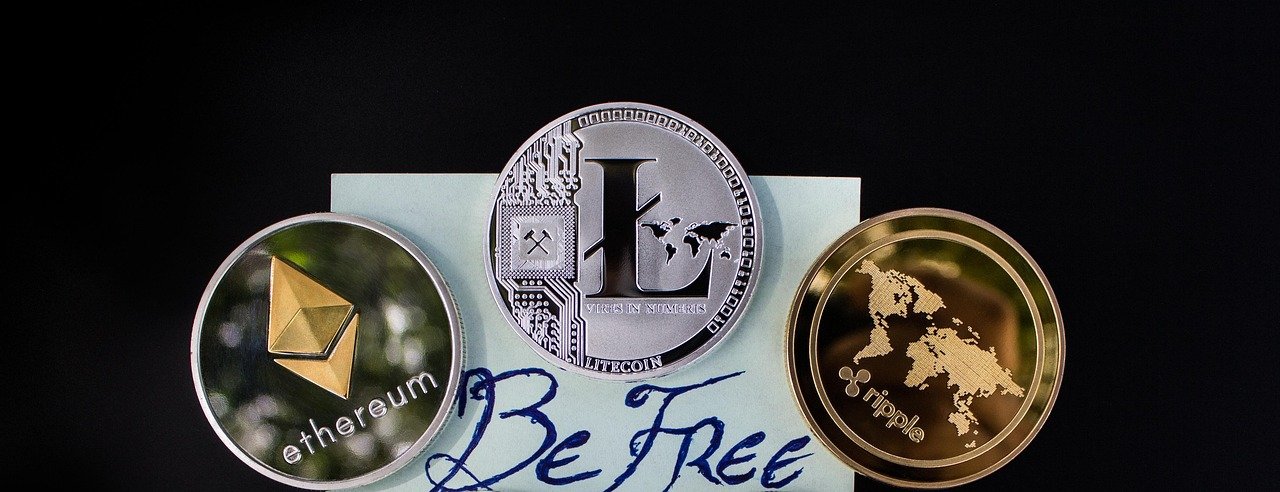
- Difference from Cryptocurrency: Unlike cryptocurrencies like Bitcoin or Ethereum (which are fungible, meaning one Bitcoin is equal to any other Bitcoin), NFTs derive their value from their uniqueness and the specific asset they represent.
Actionable Takeaway: Understanding the “non-fungible” nature is crucial – it means NFTs aren’t just digital money; they’re digital proof of ownership for unique items.
Blockchain Technology: The Backbone
NFTs exist thanks to blockchain technology, the same distributed ledger system that underpins cryptocurrencies. The blockchain provides a transparent, immutable, and verifiable record of who owns a particular NFT.
- Authenticity and Provenance: Every NFT transaction, from its creation (minting) to every subsequent sale, is recorded on the blockchain. This public record verifies the authenticity of the NFT and tracks its complete ownership history, preventing counterfeiting.
- Smart Contracts: NFTs are powered by “smart contracts”—self-executing agreements stored on the blockchain. These contracts automatically execute actions when predefined conditions are met, such as transferring ownership upon sale or ensuring creators receive royalties on secondary sales.
- Common Blockchains: While Ethereum was the pioneer, many blockchains now support NFTs, including Solana, Polygon, Avalanche, and Flow, each offering different transaction speeds and costs (gas fees).
Types of NFTs
The range of assets represented by NFTs is constantly expanding, demonstrating their versatility.
- Digital Art: The most well-known category, including generative art, 1/1 pieces, and profile picture (PFP) collections (e.g., CryptoPunks, Bored Ape Yacht Club).
- Collectibles: Digital trading cards, rare virtual items, and unique digital memorabilia.
- Gaming Assets: In-game items, characters, weapons, and virtual land in metaverse games (e.g., Axie Infinity, Decentraland).
- Music: Songs, albums, concert tickets, and exclusive fan experiences, often providing artists with more control and better revenue splits.
- Virtual Land: Plots of digital real estate in metaverse platforms that can be developed, rented, or sold.
- Ticketing: Event tickets that can prevent counterfeiting, offer exclusive perks, and simplify transfer.
- Identity & Credentials: Digital passports, certifications, and verifiable personal data.
Actionable Takeaway: Don’t limit your perception of NFTs to just art. Explore different categories to understand their broader impact on various industries.
Beyond JPEGs: The Diverse Utility and Use Cases of NFTs
While often criticized as “just JPEGs,” NFTs offer a wide array of utilities that extend far beyond simple digital art. They are tools for ownership, community building, and creating new economic models.
Digital Art and Collectibles
- Digital Scarcity: NFTs bring the concept of scarcity to digital items, making them collectible and valuable in the same way physical rare items are.
- Provenance and Authenticity: The blockchain ensures that the origin and ownership history of a digital artwork are transparent and verifiable, a significant advancement for digital creators.
- Examples: Projects like CryptoPunks, one of the earliest NFT collections, and the Bored Ape Yacht Club (BAYC) demonstrate the power of digital art combined with strong community and branding. BAYC holders often receive exclusive access to events, merchandise, and new NFT drops.
Gaming and Metaverses
NFTs are revolutionizing the gaming industry by giving players true ownership over their in-game assets.
- In-Game Asset Ownership: Players can own unique characters, skins, weapons, or virtual properties as NFTs. These assets can be bought, sold, or traded outside the game’s ecosystem, often retaining value even if the game ceases to exist.
- Play-to-Earn (P2E) Models: Games like Axie Infinity allow players to earn cryptocurrency and NFTs through gameplay, creating new economic opportunities, especially in developing countries.
- Virtual Land: Owning land in metaverses like Decentraland or The Sandbox allows users to build experiences, host events, and monetize their digital property, blurring the lines between the digital and physical worlds.
Music and Entertainment
NFTs offer artists new ways to engage with fans, distribute their work, and monetize their creations directly.
- Direct Artist-to-Fan Engagement: Musicians can sell songs, albums, or unique fan experiences as NFTs, cutting out intermediaries and receiving a larger share of revenue.
- Royalties and Exclusive Content: Smart contracts can be programmed to give artists perpetual royalties on secondary sales of their music NFTs. They can also offer exclusive content, backstage passes, or voting rights on future projects to NFT holders.
- Practical Example: Artists like 3LAU have successfully sold music albums as NFTs, giving buyers unique digital art and access to unreleased music.
Ticketing and Identity
The immutable and verifiable nature of NFTs makes them ideal for applications requiring authenticity and secure transfer.
- Counterfeit Prevention: NFT tickets are impossible to counterfeit, ensuring that only genuine tickets are circulated for events.
- Enhanced Fan Experience: NFT tickets can be linked to loyalty programs, provide exclusive access before/after events, or serve as digital mementos.
- Verifiable Credentials: Imagine using an NFT as a digital diploma, medical record, or passport. The ownership and authenticity are easily verifiable on the blockchain, increasing security and reducing fraud.
Actionable Takeaway: Look for projects that offer tangible utility or a clear roadmap for future utility. NFTs are evolving beyond simple collectibles into powerful tools for ownership and interaction.
How Do NFTs Work? Minting, Buying, and Selling
Understanding the lifecycle of an NFT, from its creation to its trading, is essential for anyone looking to enter the space. The process involves specific platforms, digital wallets, and a grasp of blockchain transactions.
Understanding the NFT Marketplace
NFT marketplaces are platforms where users can browse, buy, sell, and sometimes mint NFTs. They function much like eBay or Amazon, but for digital assets on the blockchain.
- Key Marketplaces:
- OpenSea: The largest multi-chain NFT marketplace, supporting Ethereum, Polygon, Klaytn, and more.
- Rarible: Another popular multi-chain marketplace known for its community focus.
- Magic Eden: A leading marketplace primarily for Solana-based NFTs.
- Coinbase NFT, LooksRare, Blur: Other growing platforms offering competitive features and liquidity.
- Listing Types: NFTs can be sold via fixed price listings, timed auctions, or Dutch auctions (where the price decreases over time).
The Minting Process
Minting an NFT is the process of creating a unique digital token on a blockchain. It’s how digital files become immutable, verifiable assets.
- Create Your Digital Asset: Design your artwork, music, GIF, or any other digital file you wish to tokenize.
- Choose a Blockchain: Select a blockchain (e.g., Ethereum, Solana) for your NFT. This choice impacts transaction costs and marketplace compatibility.
- Set Up a Crypto Wallet: You’ll need a compatible digital wallet (e.g., MetaMask for Ethereum, Phantom for Solana) to connect to the marketplace and pay transaction fees.
- Select an NFT Marketplace/Platform: Many marketplaces offer minting services. Some artists use dedicated platforms or their own smart contracts for more control.
- Upload and Define: Upload your digital file, add a title, description, and set attributes (rarity traits). Define royalties you wish to receive on secondary sales (e.g., 5-10%).
- Pay Gas Fees: The final step is to pay a “gas fee” (a transaction fee) to publish your NFT on the blockchain. These fees can vary significantly based on network congestion and the chosen blockchain.
Practical Example: An independent artist creates a unique digital painting. They connect their MetaMask wallet to OpenSea, upload the image, write a compelling description, set a 10% creator royalty, and then pay the Ethereum gas fee to mint it. Once minted, it’s live on the blockchain and visible on OpenSea for sale.
Wallet and Cryptocurrency Essentials
To participate in the NFT ecosystem, a secure digital wallet and some cryptocurrency are indispensable.
- Crypto Wallets: These are software programs or hardware devices that store your public and private keys, allowing you to interact with blockchains.
- Hot Wallets (Software): Convenient, connected to the internet (e.g., MetaMask, Trust Wallet, Phantom). Best for active trading and smaller amounts.
- Cold Wallets (Hardware): More secure, offline devices (e.g., Ledger, Trezor). Recommended for storing valuable NFTs and larger crypto holdings.
- Cryptocurrency for Transactions: You’ll need the native cryptocurrency of the blockchain your NFT is on to pay for purchases and transaction fees (e.g., ETH for Ethereum NFTs, SOL for Solana NFTs).
- Security Best Practices: Always keep your seed phrase (recovery phrase) secret and offline. Be wary of phishing attempts and suspicious links.
Actionable Takeaway: Before buying or minting, set up a secure crypto wallet, fund it with the necessary cryptocurrency, and familiarize yourself with your chosen marketplace’s interface.
The Opportunities and Challenges in the NFT Space
The NFT market, while exciting and full of potential, is also nascent and carries significant risks. A balanced perspective is crucial for any participant.
Potential Benefits and Opportunities
- Empowering the Creator Economy: NFTs offer artists, musicians, and content creators unprecedented control over their work and new revenue streams. Smart contracts allow for direct payments and automated royalties on secondary sales, fostering a more equitable system. The global creator economy is projected to grow significantly, with NFTs playing a vital role.
- Verifiable Digital Ownership: For the first time, digital items can have provable scarcity and verifiable ownership, opening doors for entirely new business models and asset classes in the digital realm.
- Community Building and Engagement: Many NFT projects foster strong, engaged communities around shared interests, giving holders exclusive access, voting rights (DAO governance), and social status.
- New Investment Class: NFTs have emerged as a speculative, high-growth investment opportunity for some, attracting significant capital. The global NFT market size was valued at USD 11.3 billion in 2022 and is projected to grow substantially.
- Enhanced Utility: Beyond art, NFTs are proving their utility in gaming, ticketing, identity management, and supply chain tracking, promising more efficient and transparent systems.
Key Risks and Challenges
- Volatility and Speculative Bubbles: The NFT market is highly volatile and speculative. Prices can fluctuate wildly, leading to rapid gains but also significant losses. Many projects fail or lose value.
- Security Risks: The nascent nature of the technology means security vulnerabilities exist. Scams, phishing attacks, rug pulls (where project creators abandon the project after making money), and wallet compromises are unfortunately common.
- Environmental Concerns: Earlier proof-of-work blockchains like Ethereum consumed significant energy for NFT transactions. While solutions like Ethereum’s transition to proof-of-stake have drastically reduced energy consumption, it remains a historical critique. Other blockchains (Solana, Polygon) are inherently more energy-efficient.
- Regulatory Uncertainty: The legal and regulatory framework for NFTs is still developing. Issues like taxation, intellectual property rights, and consumer protection are evolving, creating uncertainty.
- Copyright and Intellectual Property Issues: Owning an NFT typically grants ownership of the token, not necessarily the underlying intellectual property (copyright, trademark) of the digital asset. This distinction can be confusing and lead to legal disputes.
Actionable Takeaway: Approach NFTs with caution. Understand the high risks involved, prioritize security measures, and never invest more than you can afford to lose. Due diligence is paramount.
Navigating the NFT Landscape: Tips for Beginners
Entering the NFT space can feel overwhelming, but with a strategic approach, beginners can navigate it more effectively and safely.
Do Your Own Research (DYOR)
This is arguably the most critical piece of advice in the NFT space. Don’t rely solely on social media hype or celebrity endorsements.
- Project Fundamentals: Investigate the project’s roadmap (what they plan to do), the team behind it (their experience, transparency), and the underlying technology.
- Community Sentiment: Join the project’s Discord server and follow their Twitter. Observe the community engagement, the quality of discussions, and how the team interacts. A strong, organic community is a good sign.
- Utility and Vision: Does the NFT offer any practical utility now or in the future? What is the long-term vision of the project beyond just being a collectible?
- Audit Smart Contracts: For developers or those with technical knowledge, checking if a project’s smart contract has been audited by a reputable third party can add a layer of trust.
Start Small and Learn
The NFT market is a dynamic learning environment. Don’t jump in with significant investments right away.
- Low-Cost Entry Points: Consider exploring cheaper NFTs, free mints (be extremely cautious of scams here), or projects on blockchains with lower gas fees (e.g., Polygon, Solana).
- Observe Market Trends: Spend time browsing marketplaces, understanding pricing dynamics, and identifying what makes certain projects successful.
- Engage and Ask Questions: Join reputable NFT communities on platforms like Twitter and Discord. Don’t be afraid to ask questions from experienced participants.
Prioritize Security
Your digital assets are only as secure as your wallet and your vigilance against scams.
- Secure Your Wallet: Use a strong, unique password for your wallet. Enable two-factor authentication (2FA) wherever possible. Consider a hardware wallet for significant holdings.
- Protect Your Seed Phrase: Never share your seed phrase (recovery phrase) with anyone. Write it down and store it offline in a secure location.
- Beware of Phishing: Always double-check URLs. Scammers often create fake websites that look identical to legitimate marketplaces or project pages. Do not click on suspicious links in emails, DMs, or unfamiliar websites.
- Revoke Permissions: Periodically check and revoke unnecessary smart contract permissions that your wallet has granted to various websites to reduce potential attack vectors.
Engage with the Community
The social aspect of NFTs is often underestimated but vital for success and safety.
- Twitter and Discord: These are the primary hubs for NFT communities. Follow influential builders, artists, and collectors. Join project-specific Discord servers to stay updated.
- Learn from Others: Participate in discussions, ask for advice, and share your insights. The collective knowledge of a good community can be invaluable.
- Spotting Scams: A community that actively flags scams and promotes safe practices is a healthy one. Be wary of projects with overly aggressive marketing, vague roadmaps, or a high number of bots in their community channels.
Actionable Takeaway: Patience, education, and security are your best allies in the NFT space. Treat every interaction as a potential learning opportunity and a potential security risk.
Conclusion
NFTs are far more than just a fleeting trend or overpriced digital images. They represent a fundamental shift in how we establish and verify ownership in the digital age, powered by the immutable nature of blockchain technology. From revolutionizing the art market and empowering creators to transforming gaming, music, and even real-world identity, the utility and potential applications of Non-Fungible Tokens are vast and continuously expanding. While the space comes with inherent risks, including volatility and security challenges, understanding its core mechanics and exercising caution can unlock a world of innovation. As Web3 continues to evolve, NFTs are poised to become an increasingly integral part of our digital future, offering unprecedented opportunities for creativity, community, and verifiable ownership. For those willing to learn and adapt, the NFT landscape promises to be a frontier of endless possibilities.