In a world increasingly shaped by digital innovation, one invention stands out for its revolutionary potential: Bitcoin. Launched in 2009 by an anonymous entity known as Satoshi Nakamoto, Bitcoin introduced the concept of a decentralized digital currency, forever challenging traditional financial systems. It’s more than just a digital asset; it’s a paradigm shift in how we perceive value, transactions, and ownership in the internet age. Whether you’re a seasoned investor, a curious technophile, or simply looking to understand the financial landscape of tomorrow, understanding Bitcoin is no longer optional – it’s essential.
What is Bitcoin? The Digital Revolution Unpacked
Bitcoin is often described as “digital gold” or “internet money.” At its core, it’s the world’s first successful decentralized cryptocurrency, built on a groundbreaking technology known as blockchain. Unlike traditional currencies issued by central banks, Bitcoin operates without any single authority, making it resistant to censorship and manipulation.
A Peer-to-Peer Electronic Cash System
The original vision for Bitcoin, as outlined in its whitepaper, was a “peer-to-peer electronic cash system” that would allow online payments to be sent directly from one party to another without going through a financial institution. This fundamental principle underpins its design and operation.
- Decentralized: No central bank, government, or single entity controls Bitcoin. Its network is maintained by a global community of users and miners.
- Digital: Bitcoin exists purely as data. There are no physical Bitcoins, only records on a digital ledger.
- Global: Transactions can be sent and received anywhere in the world, 24/7, with an internet connection.
- Secure: Cryptographic techniques protect transactions and control the creation of new Bitcoins, making counterfeiting virtually impossible.
- Finite Supply: The total supply of Bitcoin is capped at 21 million units, a scarcity model designed to mimic precious metals and prevent inflation.
Actionable Takeaway: Understand that Bitcoin’s core value proposition lies in its independence from traditional financial intermediaries, offering a new level of autonomy over your money.
The Power of Blockchain Technology
Bitcoin’s existence is inextricably linked to blockchain technology. The blockchain is a distributed, immutable ledger that records every Bitcoin transaction ever made. Imagine it as a public digital record book, secured by advanced cryptography.
- Distributed Ledger: Copies of the blockchain are maintained across thousands of computers (nodes) worldwide. This redundancy ensures resilience and prevents a single point of failure.
- Immutable Records: Once a transaction is added to a “block” and that block is added to the “chain,” it’s virtually impossible to alter or remove it. This ensures the integrity of the transaction history.
- Transparency (Pseudonymous): While transaction details are public, the identities of the participants are pseudonymous (known only by their wallet addresses, not personal names).
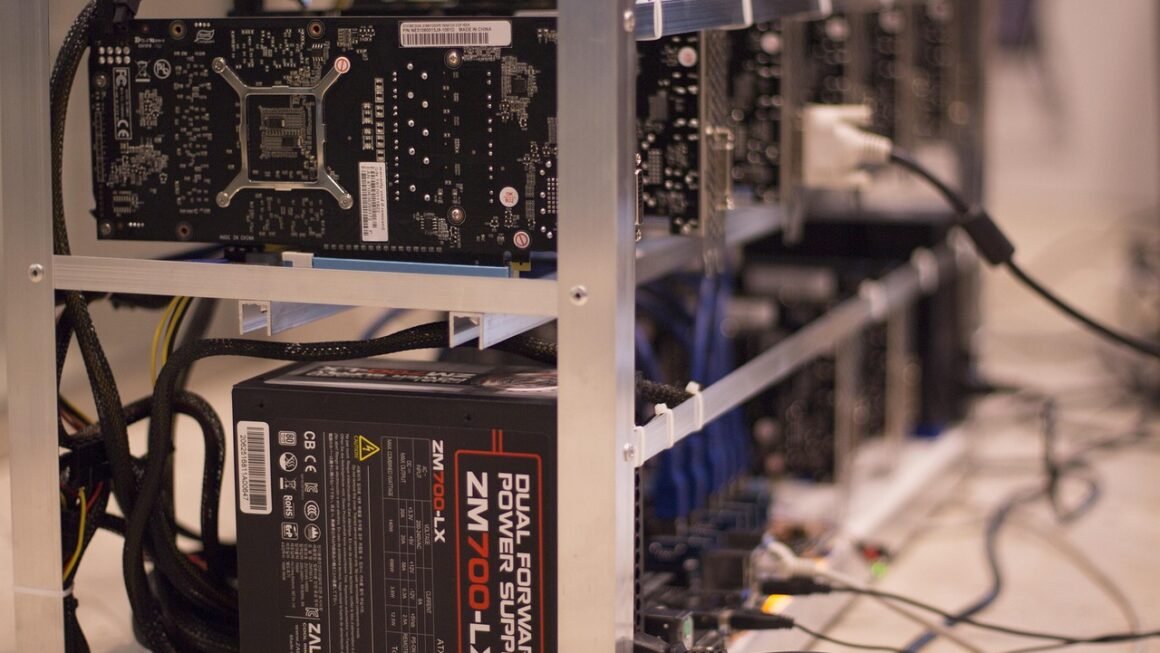
- Consensus Mechanism: New blocks are added to the chain through a process called “mining,” where powerful computers solve complex mathematical puzzles (Proof-of-Work). This mechanism verifies transactions and secures the network.
Practical Example: When you send Bitcoin to a friend, your transaction is broadcast to the network, verified by miners, added to a block with other transactions, and then permanently recorded on the blockchain. This process ensures the transfer is legitimate and irreversible once confirmed.
Actionable Takeaway: Familiarize yourself with the basic concept of a blockchain as it’s the backbone of Bitcoin’s security and trustworthiness. This understanding is key to appreciating its innovation.
Why Bitcoin Matters: Benefits and Features
Bitcoin’s growing prominence isn’t just hype; it’s driven by a unique set of benefits and features that address shortcomings in traditional financial systems.
Key Advantages for Users
For individuals and businesses alike, Bitcoin offers distinct advantages:
- Decentralization & Freedom: Transactions don’t require bank approval, offering users greater control over their assets and protecting them from censorship or arbitrary freezes.
- Enhanced Security: Cryptographic security and the distributed nature of the blockchain make Bitcoin highly resistant to hacking and fraud, especially when stored correctly in secure wallets.
- Global Accessibility & Lower Fees: Bitcoin transactions can be sent across borders instantly, often with lower fees compared to traditional international wire transfers, particularly for large sums.
- Inflation Hedge: With its fixed supply cap of 21 million units, Bitcoin is seen by many as a hedge against inflation caused by the limitless printing of fiat currencies.
- Transparency: While identities are pseudonymous, every transaction is recorded on a public ledger, offering an unprecedented level of transparency in financial flows.
Actionable Takeaway: Consider how Bitcoin’s borderless nature and resistance to inflation might offer solutions for international payments or long-term wealth preservation.
Bitcoin as an Investment and Store of Value
For many, Bitcoin represents a compelling investment opportunity, often referred to as “digital gold.” Its price has seen substantial appreciation over its lifetime, attracting both retail and institutional investors.
- Portfolio Diversification: Bitcoin’s low correlation with traditional assets like stocks and bonds can offer diversification benefits to an investment portfolio.
- High Growth Potential: Early adopters have seen exponential returns, and many believe Bitcoin still has significant growth potential as adoption continues.
- Store of Value: Its scarcity and censorship-resistance position it as a potential long-term store of value, akin to precious metals.
- Institutional Adoption: Major companies like Tesla and MicroStrategy, along with financial giants, have added Bitcoin to their balance sheets, signaling growing mainstream acceptance.
Practical Example: An individual might choose to allocate a small percentage of their investment portfolio to Bitcoin, viewing it as a long-term strategic asset (often referred to as “HODLing” – holding on for dear life) rather than a short-term trading instrument, due to its potential for significant, albeit volatile, growth.
Actionable Takeaway: If considering Bitcoin as an investment, start with a small amount you are comfortable losing, understand its inherent volatility, and adopt a long-term perspective.
Understanding Bitcoin’s Ecosystem and How to Engage
Engaging with Bitcoin involves understanding how to acquire, store, and utilize this digital asset responsibly.
Acquiring Bitcoin
Getting your hands on Bitcoin is easier than ever, thanks to a mature and diverse ecosystem.
- Cryptocurrency Exchanges: These are the most common platforms for buying Bitcoin. Popular examples include Coinbase, Binance, Kraken, and Gemini. They function similarly to stock brokerage accounts, allowing you to buy and sell Bitcoin using fiat currency (USD, EUR, etc.).
- Peer-to-Peer (P2P) Marketplaces: Platforms like LocalBitcoins allow users to buy and sell Bitcoin directly from each other, often offering various payment methods and more privacy.
- Bitcoin ATMs: Located in various cities worldwide, Bitcoin ATMs allow you to buy Bitcoin with cash, typically by scanning a QR code from your wallet.
- Earning Bitcoin: Some companies pay employees or contractors in Bitcoin, and certain online platforms offer rewards in Bitcoin.
Practical Tip: When choosing an exchange, consider factors like regulatory compliance (KYC/AML requirements), fees, security features (2FA), available payment methods, and customer support. Always start with a reputable and well-established platform.
Actionable Takeaway: Research and select a reputable cryptocurrency exchange that aligns with your regional regulations and security preferences for your first Bitcoin purchase.
Storing Your Bitcoin: Wallets Explained
Once you acquire Bitcoin, you need a secure place to store it. This is where Bitcoin wallets come in. A wallet doesn’t technically “hold” your Bitcoin; rather, it stores the private keys that prove your ownership of the Bitcoin on the blockchain.
- Software Wallets (Hot Wallets): These are applications that run on your computer or smartphone, or even browser extensions.
- Mobile Wallets: Convenient for everyday transactions (e.g., Blockstream Green, BlueWallet).
- Desktop Wallets: Offer more features and control (e.g., Electrum, Bitcoin Core).
- Web Wallets: Managed by an exchange or third-party service (e.g., Coinbase Wallet, often integrated with exchange accounts).
- Hardware Wallets (Cold Wallets): These are physical devices designed specifically to store private keys offline, making them highly secure.
- Examples: Ledger, Trezor, Coldcard.
Pros: Easy to use, accessible. Cons: More susceptible to online hacks if security is compromised.
Pros: Highest level of security, immune to online hacks. Cons: Less convenient for frequent transactions, typically more expensive.
Practical Example: For small amounts of Bitcoin you might use for spending, a mobile wallet is convenient. For significant investments, a hardware wallet is strongly recommended to protect your assets from online threats.
Actionable Takeaway: Prioritize security for your Bitcoin holdings. For substantial amounts, invest in a hardware wallet and diligently back up your seed phrase (recovery phrase) in a secure, offline location. Never share your seed phrase with anyone.
Navigating the Bitcoin Landscape: Risks and Challenges
While Bitcoin offers tremendous opportunities, it’s crucial to understand the inherent risks and challenges associated with this nascent asset class.
Volatility and Market Fluctuations
Bitcoin is famous for its price volatility. Its value can experience rapid and significant swings, sometimes by double-digit percentages in a single day.
- Market Speculation: A significant portion of Bitcoin’s price movements are driven by speculation, news events, and market sentiment rather than traditional economic fundamentals.
- High Risk, High Reward: While volatility presents opportunities for significant gains, it also carries the risk of substantial losses.
Practical Advice: Never invest more than you can afford to lose. Consider strategies like Dollar-Cost Averaging (DCA), where you invest a fixed amount regularly, regardless of the price. This approach can help mitigate the impact of volatility over time.
Actionable Takeaway: Approach Bitcoin investment with a clear understanding of its high-risk, high-reward nature. Diversify your portfolio and avoid making emotional investment decisions based on short-term price movements.
Regulatory Uncertainty and Security Concerns
The regulatory landscape for Bitcoin and other cryptocurrencies is still evolving globally, leading to some uncertainty.
- Varying Regulations: Different countries have different rules regarding Bitcoin’s legality, taxation, and use, which can impact its adoption and trading.
- Security Responsibility: Unlike banks that insure deposits, you are solely responsible for the security of your Bitcoin. Losses due to personal error (e.g., losing private keys) or inadequate security practices are generally irreversible.
- Scams and Fraud: The crypto space has attracted bad actors. Phishing attempts, fraudulent schemes, and fake projects are unfortunately common.
Practical Advice: Stay informed about regulatory changes in your region. Practice robust personal cybersecurity: use strong, unique passwords, enable Two-Factor Authentication (2FA) on all crypto accounts, be wary of unsolicited offers or “too good to be true” schemes, and always verify website URLs before entering credentials.
Actionable Takeaway: Educate yourself on the security best practices and be extremely cautious of scams. Your vigilance is your primary defense in the decentralized world of Bitcoin.
The Future of Bitcoin and Crypto Adoption
Bitcoin’s journey is far from over. Its impact continues to expand, shaping the future of finance and technology.
Growing Institutional Adoption
The narrative around Bitcoin has shifted dramatically. Once dismissed as a niche technology for tech enthusiasts, it’s now a serious asset class attracting major institutional players.
- Corporate Treasuries: Publicly traded companies are adding Bitcoin to their balance sheets as a strategic reserve asset.
- ETFs and Investment Products: The approval of Bitcoin Exchange-Traded Funds (ETFs) in several countries has made it easier for traditional investors to gain exposure to Bitcoin without directly holding the asset.
- Financial Services Integration: Major payment processors and banks are increasingly integrating Bitcoin services, allowing customers to buy, hold, or even spend Bitcoin.
Actionable Takeaway: Observe the trend of institutional interest; it indicates a growing maturity and legitimization of Bitcoin in mainstream finance.
Bitcoin’s Role in a Digital Economy
Beyond investment, Bitcoin is poised to play a crucial role in a more digitally native global economy.
- Global Remittances: Bitcoin can offer faster and cheaper options for sending money across borders, particularly to regions underserved by traditional banking.
- Microtransactions & Scaling: Technologies like the Lightning Network are being developed to enable instant, low-cost Bitcoin transactions, making it viable for everyday purchases and microtransactions.
- Financial Inclusion: Bitcoin provides access to financial services for the unbanked and underbanked populations worldwide, requiring only a smartphone and internet connection.
- Catalyst for Web3: Bitcoin’s underlying blockchain principles are foundational to the broader Web3 movement, which aims to create a decentralized internet.
Practical Example: A migrant worker sending remittances home could use Bitcoin to bypass expensive wire transfer services, allowing more of their earnings to reach their family quickly and efficiently.
Actionable Takeaway: Look beyond Bitcoin’s price. Its technological advancements and potential to empower individuals globally are significant drivers of its long-term value and adoption.
Conclusion
Bitcoin stands as a testament to human ingenuity and the power of decentralized technology. From its humble beginnings as an obscure digital experiment to its current status as a global financial phenomenon, it has proven its resilience and revolutionary potential. Understanding Bitcoin means grasping the fundamentals of decentralization, blockchain technology, and the evolving landscape of digital finance. While it presents both exciting opportunities and inherent risks, its continued evolution suggests it will play an increasingly vital role in our collective financial future. Approach Bitcoin with curiosity, diligence, and a commitment to responsible engagement, and you’ll be better equipped to navigate the exciting world it’s building.