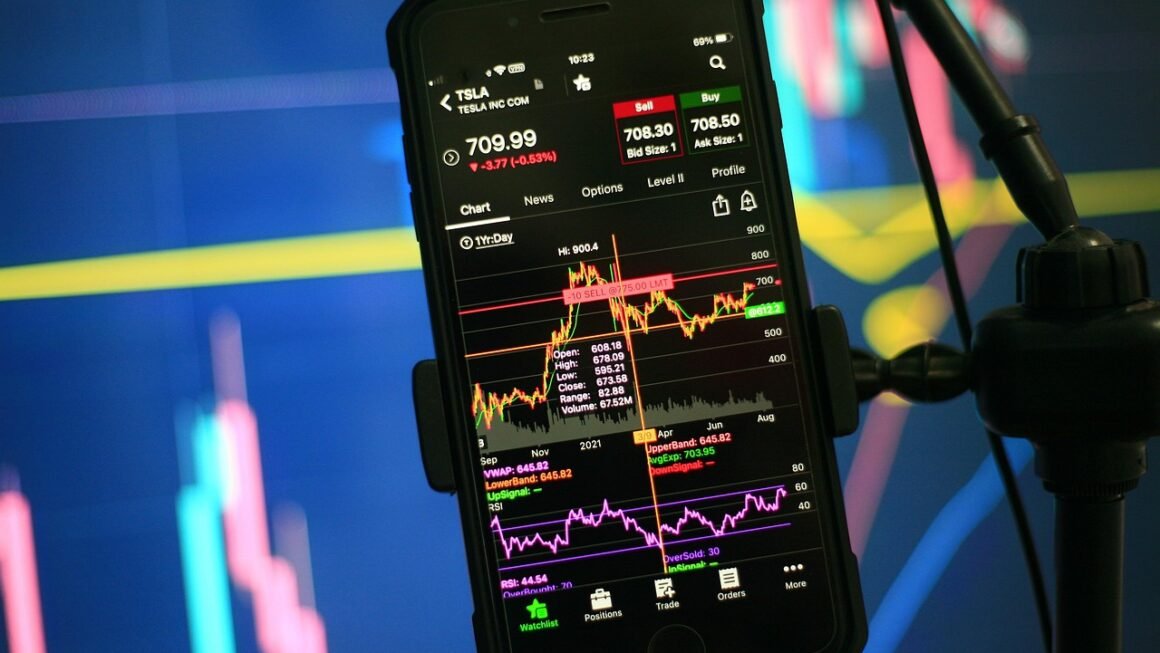
In the dynamic world of finance, where fortunes are made and lost, one concept stands as the silent bedrock of stability and opportunity: liquidity. Often overlooked until it’s scarce, liquidity is the lifeblood that enables smooth transactions, empowers investment decisions, and safeguards against financial distress. Whether you’re an individual managing household finances, a business striving for growth, or an investor navigating complex markets, understanding and managing liquidity is not just important – it’s absolutely crucial for enduring financial health.
## Understanding Liquidity: The Cornerstone of Financial Health
At its core, liquidity refers to the ease and speed with which an asset can be converted into cash without significantly affecting its market price. It’s a fundamental concept that underpins every financial decision and market operation, ensuring that resources can be accessed when and where they are needed.
### What is Liquidity?
Imagine needing cash immediately. How quickly could you get it without losing a substantial portion of your asset’s value? That question gets to the heart of liquidity. Highly liquid assets are those that can be sold quickly at their fair market value. Conversely, illiquid assets take time to sell and may require a discount to attract buyers.
- Cash: The most liquid asset of all.
- Treasury Bills/Bonds: Generally very liquid due to strong market demand.
- Publicly Traded Stocks: Often highly liquid, especially large-cap stocks.
- Real Estate: Typically illiquid; selling a house can take months.
- Private Equity Investments: Highly illiquid; can be difficult to exit quickly.
- Collectibles (Art, Antiques): Very illiquid; market is niche and sales can be slow.
Practical Example: If you own shares of a major company like Apple, you can typically sell them within seconds during market hours for close to their quoted price. If you own a piece of undeveloped land, selling it might take months or even years, and you might have to accept a lower price than you initially hoped for.
### Why is Liquidity Important?
The significance of liquidity spans across individuals, businesses, and entire financial markets. It acts as a safety net, an enabler, and a measure of financial stability.
- For Individuals: An emergency fund (cash in a savings account) provides the liquidity to cover unexpected expenses like medical bills or job loss, preventing reliance on high-interest debt.
- For Businesses: Sufficient liquidity ensures a company can pay its employees, suppliers, and short-term debts on time, preventing insolvency and maintaining operational continuity.
- For Investors: The liquidity of an investment affects its risk profile and potential returns. Highly liquid assets offer flexibility, while illiquid assets might trap capital.
- For Financial Markets: High market liquidity facilitates smooth trading, lower transaction costs (tight bid-ask spreads), and more accurate asset pricing, promoting overall market efficiency.
Actionable Takeaway: Regularly assess your personal and business cash flow to understand your current liquidity position. Build an emergency fund equivalent to 3-6 months of living expenses for personal finances, and ensure your business maintains adequate working capital.
## Types of Liquidity: A Deeper Dive
Liquidity isn’t a monolithic concept; it manifests in different forms across the financial landscape. Understanding these distinctions is crucial for a comprehensive grasp of its implications.
### Market Liquidity
Market liquidity refers to the ability to buy or sell an asset in the market without causing a significant change in its price. It’s characterized by high trading volume, a large number of buyers and sellers, and narrow bid-ask spreads.
- High Market Liquidity: Indicates an active market where many participants are willing to buy and sell. Transaction costs (the difference between the highest price a buyer is willing to pay and the lowest price a seller is willing to accept – the bid-ask spread) are typically low. Example: Major currency pairs in the forex market.
- Low Market Liquidity: Characterized by fewer buyers and sellers, lower trading volumes, and wider bid-ask spreads. Trades can significantly impact the asset’s price. Example: Shares of a small, thinly traded company.
Practical Example: If you want to buy 1,000 shares of Microsoft, you can execute the trade almost instantly at a price very close to the last traded price because millions of shares are traded daily. If you try to buy 1,000 shares of a micro-cap biotech company, your large order might move the price significantly due to low trading volume.
### Funding Liquidity
Funding liquidity, also known as cash flow liquidity, is a firm’s or individual’s ability to meet its short-term financial obligations. It’s about having sufficient cash or access to cash to pay bills, debts, and operational expenses as they come due.
- Sources of Funding Liquidity: Cash on hand, access to lines of credit, marketable securities that can be quickly converted to cash, and predictable incoming cash flows from sales or investments.
- Risks to Funding Liquidity: Unexpected expenses, a sudden drop in revenue, inability to borrow, or difficulties in converting assets to cash.
Practical Example: A small business that relies heavily on a few large clients might face funding liquidity issues if one client delays payment for an extended period, making it difficult to pay employee salaries or rent. Having a revolving line of credit can mitigate this risk.
### Accounting Liquidity (or Balance Sheet Liquidity)
Accounting liquidity focuses on a company’s ability to cover its short-term liabilities with its short-term assets, as reflected on its balance sheet. It’s a snapshot of a company’s financial health and solvency over a short period (typically within one year).
- This is often assessed using specific financial ratios (discussed in the next section).
- It helps analysts and investors understand how well a company can manage its day-to-day operations and withstand immediate financial shocks.
Actionable Takeaway: Investors should scrutinize a company’s balance sheet for strong accounting liquidity, particularly for companies in volatile sectors. Businesses should regularly reconcile cash flows and outstanding invoices to ensure funding liquidity remains robust.
## Measuring and Managing Liquidity: Practical Tools and Strategies
Effective management of liquidity requires both accurate measurement and strategic planning. Fortunately, there are widely accepted tools and techniques to help individuals and organizations maintain optimal financial flexibility.
### Key Liquidity Ratios (for Businesses and Investors)
These ratios provide quantitative insights into a company’s short-term solvency:
- Current Ratio:
Current Assets / Current Liabilities- What it tells you: Measures a company’s ability to pay off its short-term liabilities with its short-term assets.
- Benchmark: A ratio of 2:1 or higher is often considered healthy, meaning current assets are twice current liabilities.
- Example: If a company has $2 million in current assets and $1 million in current liabilities, its current ratio is 2. This suggests it has enough resources to cover its immediate obligations.
- Quick Ratio (Acid-Test Ratio):
(Current Assets - Inventory) / Current Liabilities- What it tells you: A more conservative measure than the current ratio, as it excludes inventory (which can be less liquid than other current assets) from current assets.
- Benchmark: A ratio of 1:1 or higher is generally considered good.
- Example: If the same company from above had $500,000 in inventory, its quick ratio would be ($2M – $0.5M) / $1M = 1.5. This still indicates a strong short-term position, even without selling inventory.
- Cash Ratio:
Cash & Cash Equivalents / Current Liabilities- What it tells you: The most stringent liquidity measure, indicating a company’s ability to cover current liabilities using only its cash and highly liquid equivalents.
- Benchmark: Higher is generally better, but a very high cash ratio might indicate inefficient use of capital.
### Strategies for Maintaining Optimal Liquidity
Proactive management is key to navigating financial uncertainties.
For Individuals:
- Build an Emergency Fund: Aim for 3-6 months of essential living expenses in an easily accessible, interest-bearing savings account.
- Manage Debt: Reduce high-interest debt (e.g., credit card debt) to free up cash flow and improve your overall financial flexibility.
- Diversify Investments: Ensure a portion of your investment portfolio is in relatively liquid assets (e.g., ETFs, mutual funds) that can be sold without significant penalties.
- Access to Credit: Maintain a reasonable credit score to ensure access to credit lines or personal loans if unexpected needs arise, but use them responsibly.
For Businesses:
- Cash Flow Forecasting: Implement robust forecasting models to anticipate inflows and outflows, identifying potential liquidity gaps before they become critical.
- Manage Receivables and Payables: Encourage prompt payment from customers and negotiate favorable payment terms with suppliers.
- Revolving Credit Facilities: Establish lines of credit with banks as a backup source of funding for short-term needs.
- Strategic Inventory Management: Avoid overstocking, which ties up capital and can become illiquid. Implement just-in-time inventory systems where feasible.
- Diversify Funding Sources: Relying on a single bank or source of financing can be risky. Explore multiple options.
Actionable Takeaway: For personal finance, automate savings into your emergency fund. For businesses, review your liquidity ratios quarterly and implement regular cash flow reviews to ensure ongoing financial resilience.
## The Impact of Liquidity on Investments and Markets
Liquidity is not just a measure of financial health; it’s a critical factor that influences investment decisions, asset pricing, and overall market stability.
### Liquidity Risk in Investments
Liquidity risk is the risk that an investor will not be able to sell an investment quickly enough at a fair market price to prevent a loss. It’s particularly relevant for assets that are not actively traded.
- Impact on Returns: Illiquid assets often demand a “liquidity premium,” meaning investors expect higher returns to compensate for the difficulty of selling them. However, they also expose investors to greater risk if they need to liquidate quickly.
- Market Volatility: In times of market stress or crisis, liquidity can dry up, leading to sharp price drops even for otherwise sound assets, as buyers disappear.
- Examples: Investing in a private startup, buying a fractional share of a niche collectible, or holding certain complex derivatives can expose you to significant liquidity risk.
Practical Example: During the 2008 financial crisis, many mortgage-backed securities became highly illiquid. Even though they had underlying assets, there were no willing buyers at any reasonable price, leading to massive write-downs for financial institutions. Similarly, if you own a rare piece of art, finding a buyer willing to pay its full appraised value might take months or years, or you might have to auction it off at a significant discount.
### Liquidity and Market Efficiency
High liquidity contributes directly to more efficient and stable financial markets.
- Price Discovery: In liquid markets, prices quickly reflect all available information due to the constant interaction of many buyers and sellers, leading to more accurate asset valuations.
- Lower Transaction Costs: Narrow bid-ask spreads mean investors incur less cost when buying or selling, making it cheaper to participate in the market.
- Reduced Volatility: While not immune to swings, highly liquid markets tend to absorb large orders more easily without drastic price movements.
- Role of Market Makers: Financial institutions often act as “market makers,” providing liquidity by standing ready to buy and sell assets, thus narrowing spreads and facilitating trade.
### Central Banks and Liquidity
Central banks play a pivotal role in managing systemic liquidity within an economy. They act as the “lender of last resort” to commercial banks and use various tools to influence money supply and credit conditions.
- Monetary Policy Tools:
- Interest Rates: Lowering policy rates makes it cheaper for banks to borrow, encouraging lending and increasing liquidity in the financial system.
- Quantitative Easing (QE): Central banks buy large quantities of government bonds and other assets from commercial banks, injecting cash into the system and boosting liquidity.
- Reserve Requirements: Reducing the amount of reserves banks must hold frees up more capital for lending.
- Crisis Intervention: During financial crises, central banks often inject massive amounts of liquidity into the banking system to prevent a credit crunch and ensure financial institutions can continue to operate.
Actionable Takeaway: As an investor, always consider the liquidity of an asset before committing capital. Understand that illiquid assets might offer higher potential returns but come with greater exit challenges. Stay informed about central bank actions, as they can significantly impact overall market liquidity.
## Conclusion
Liquidity is far more than just having cash; it’s a multifaceted concept that dictates financial flexibility, influences investment risk, and underpins the stability of global markets. From an individual’s emergency savings to a corporation’s working capital, and from the trading efficiency of stock markets to the broad strokes of central bank policy, liquidity is the invisible yet indispensable force that keeps the financial world turning.
By understanding its various forms, measuring it effectively, and implementing robust management strategies, individuals and institutions alike can build greater resilience, seize opportunities, and navigate the inevitable uncertainties of the economic landscape. Prioritizing liquidity isn’t just a wise financial practice; it’s a foundational pillar for enduring success.